
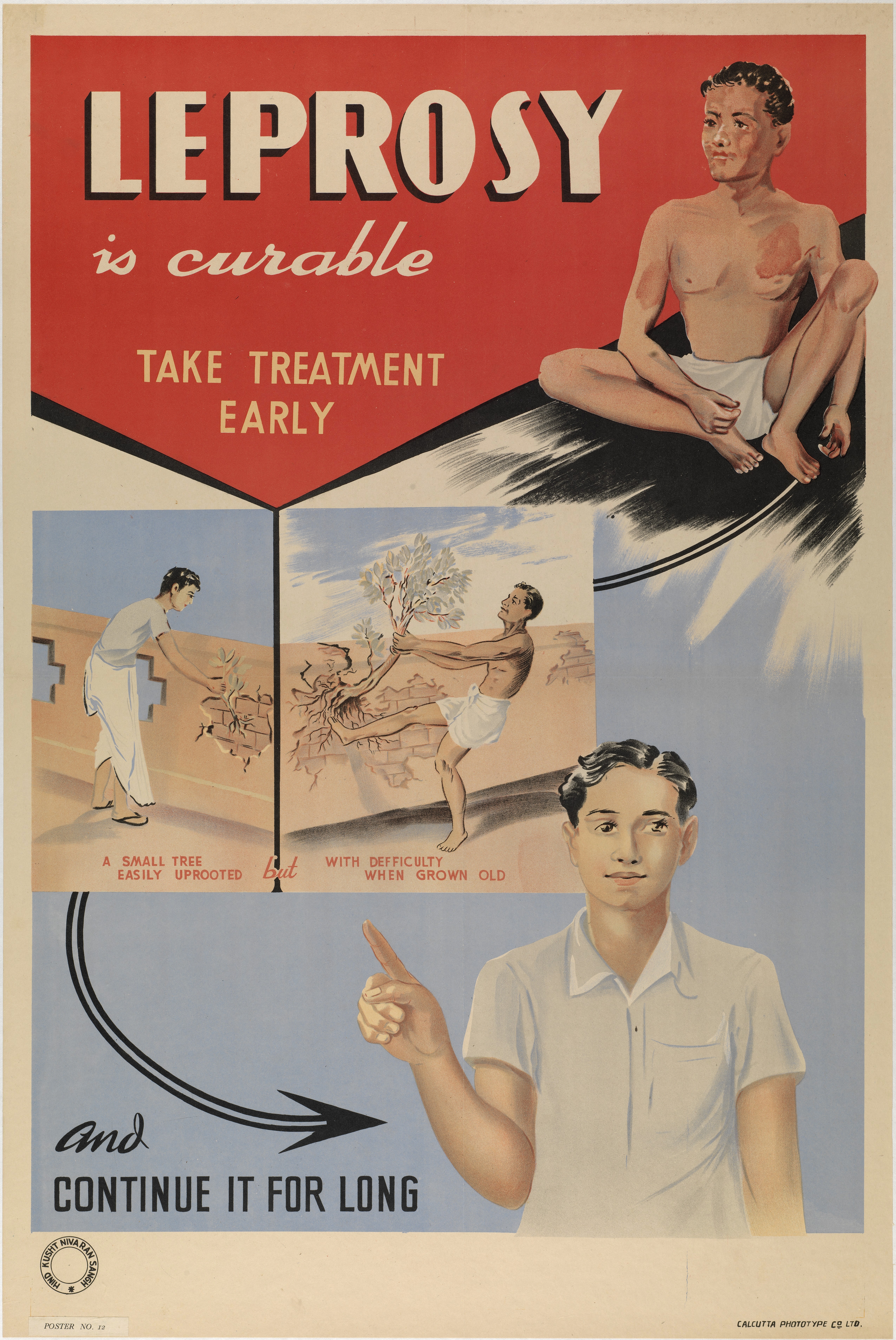
A UN expert on Wednesday called on the Colombian government to urgently address the ostracization faced by individuals suffering from leprosy, a neglected public health challenge that continues to affect thousands of people across the country, exacerbating poverty and social exclusion despite the availability of effective treatment.
In remarking on the sheer gravity of the issue, Beatriz Miranda-Galarza, UN Special Rapporteur on the elimination of discrimination against persons affected by leprosy and their family members, stated:
In many rural and historically marginalised areas, persons affected by leprosy remain effectively forgotten … People continue to travel long distances to access treatment, face stigma when seeking care, and struggle to obtain disability recognition, rehabilitation services and social protection.
Leprosy, also known as Hansen’s disease, is a bacterial infection that is transmitted via airborne droplets from coughing or sneezing, and it primarily attacks the skin, nerves, eyes, and upper respiratory tract. The condition typically results in skin lesions, numbness in the hands and feet, muscle paralysis, severe eye disorders, and potentially blindness, symptoms which are exacerbated by a delay in treatment. Although Colombia has achieved the World Health Organization (WHO)’s goal of eliminating cases of leprosy to less than 1 case per 10,000 inhabitants, systemic delays are still commonplace.
Since the country’s achievement of post-elimination status in 1997, there has been a decline in clinical expertise driven by curriculum gaps in medical schools, a lack of ongoing training for doctors, and high staff turnover within decentralized health networks, ultimately leading to diagnostic delays due to the disease’s low visibility. Additionally, the spread of leprosy is also attributed to the existence of disability-related barriers, societal stigma, and discrimination in the workforce, and educational institutions, factors that require immediate attention, according to Ms Miranda-Galarza.
Miranda-Galarza points out that communities who are more susceptible to bearing the brunt of the condition include Indigenous people, Afro-Colombian communities, migrants, women, children, the elderly and those who have been forcibly displaced. Regional disparities in the contraction of leprosy in Colombia exist, and it is highly concentrated in regions such as Arauca and Norte de Santander, with significant clusters in Magdalena, Cesar and Valle del Cauca. The progress by authorities to strengthen the surveillance of the condition, such as early detection and free multidrug therapy has yielded favourable results, but more steps need to be undertaken to eradicate the disease.
In fully recognizing the psychological trauma that leprosy patients and their families had to go through, Miranda-Galarza called on authorities to understand the decades of historical human rights violations arising out of compulsory segregation and its deep ties to the colonial slave trade.

