
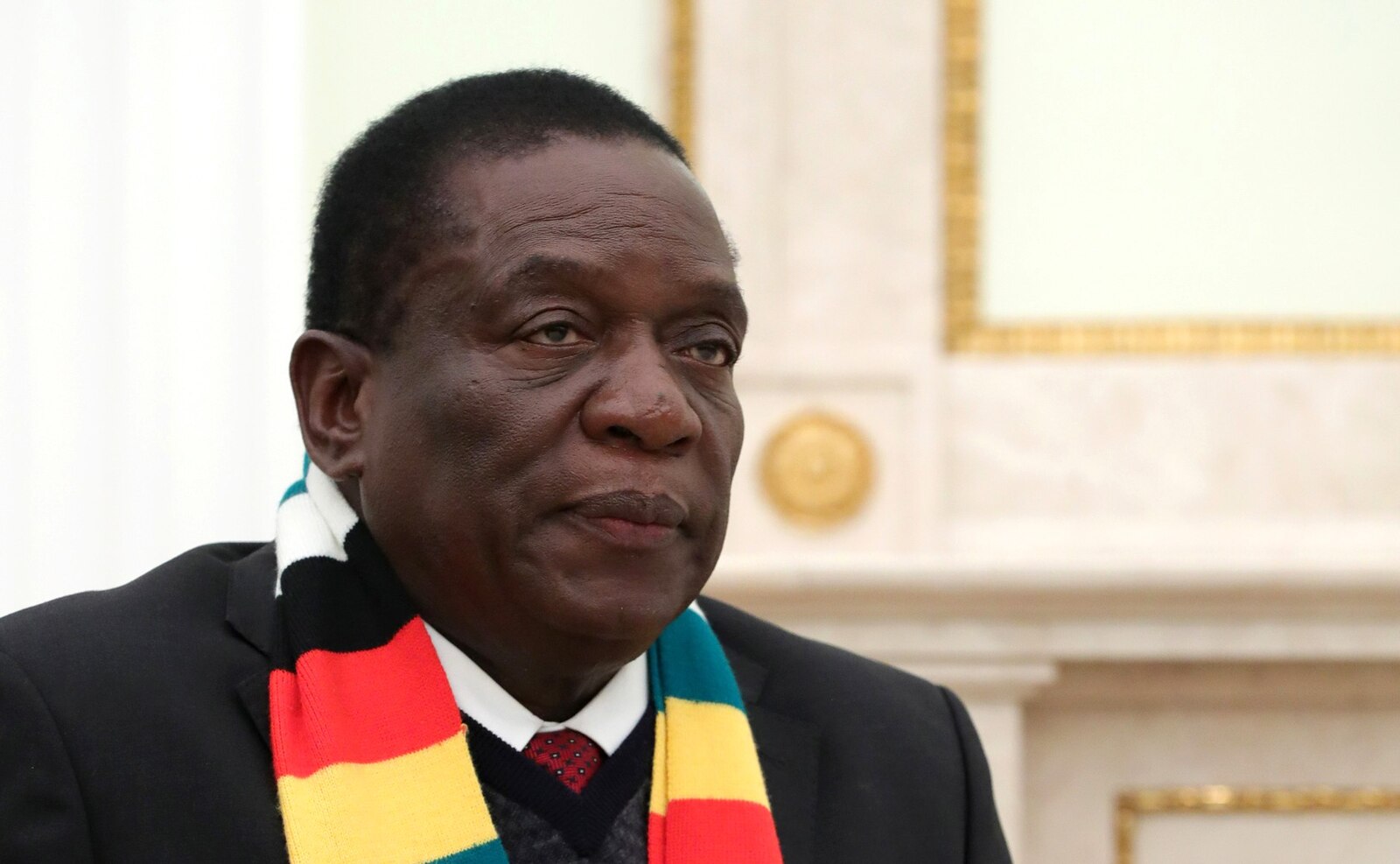
The Committee to Protect Journalists (CPJ) on Friday called on on Zimbabwean authorities to investigate harassment and violence against journalists that took place during a public hearing on a measure to extend the president’s term limit.
On March 30, journalists and citizens gathered at the City Sports Center in Harare, the capital of Zimbabwe, to open four days of debate about the proposed constitutional amendments. On the second day of debates supporters of the governing Zapu PF party “stormed the venue,” chanting party slogans, preventing the opposition from speaking, and preventing journalists from leaving unless they delete their footage. An anonymous woman journalist reported having alcohol thrown on her and being trampled on by a stampede of people.
CPJ Africa director Angela Quintal stated:
Blocking journalists, harassing them, and forcing them to delete their footage is a blatant attempt to censor their news coverage and control what the public can hear, read and see. Zimbabwean authorities must ensure those responsible are held accountable and that journalists are free to report on matters of public interest.
First introduced in February, the Constitution of Zimbabwe Amendment (No. 3) Bill introduces a number of reforms to the Zimbabwean constitution, including one to extend the term limit for the president from fives years to seven years. The bill also changes the process for electing the president. Previously, the Zimbabwean people directly elected the president. Under the change, members of Parliament are to vote after every general election or when necessary to fill a vacancy in the office of the president.
The bill will allow the current president, Emmerson Mnangagwa, to stay in power until 2030. Critics fear that the new legislation will bar anyone but party leaders from the presidency. Supporters of the bill, speaking to Al Jazeera, hope that having Parliament vote for the president will reduce instances of political violence
In advance of the hearings, Amnesty International urged Zimbabwean authorities to guarantee freedom of expression, citing concerns about previous instances of violence against opposition figures. In April 2025, President Mnangagwa signed a law which restricting freedom of association and freedom of expression. Additionally, President Mnangagwa is currently under sanctions by the the US government.

.jpg)