
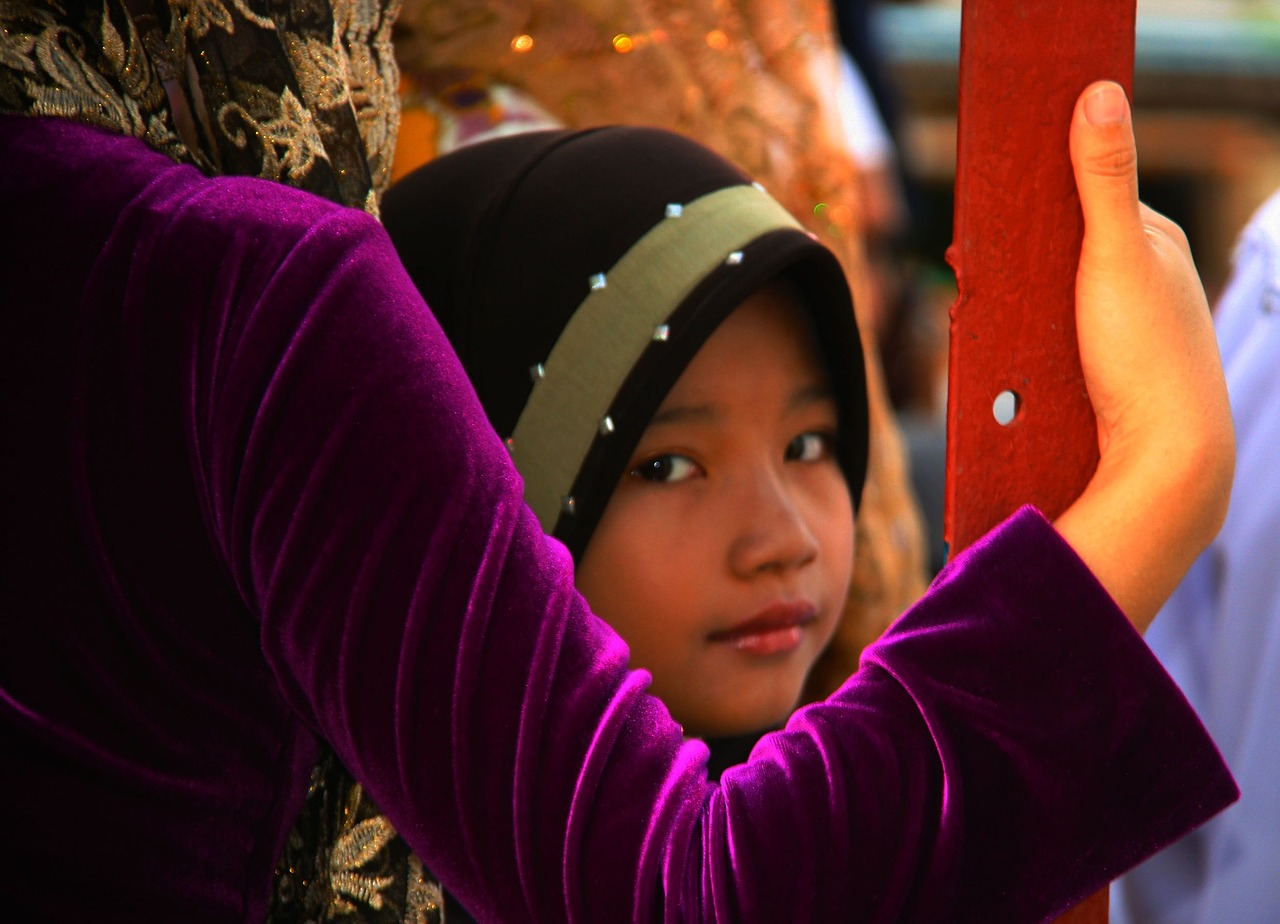
Austrian lawmakers on Thursday voted by a large majority to approve a law banning headscarves in schools for girls under 14, a move that is now facing criticism from experts and human rights groups. The only party to oppose it was the opposition Green Party, which argued that the law is unconstitutional.
The ban was proposed this November by Austria’s far-right Freedom Party (FPÖ), the largest faction in parliament, and will come into force at the start of the 2026-2027 school year, with families facing fines of up to €800 for repeated non-compliance. A gradual introduction to the legislation will begin in February as the new rules will be explained to educators, parents, and children. The ban is expected to affect up to 12,000 children.
The law prevents girls younger than 14 from wearing headscarves that “cover the head in accordance with Islamic traditions” in all schools. School events outside the school building are not covered by the ban. Teachers would not be responsible for enforcing the ban in schools but would only need to inform the school administration, which would then take further action.
Integration Minister Claudia Plakolm, of the center-right People’s Party (ÖVP), argued that girls should grow up free from gender roles and not be taught that their bodies are bad, while Yannick Shetty, parliamentary leader for the liberal Neos party, stated in a joint press conference that the law “is not a measure against a religion. It is a measure to protect the freedom of girls in this country.”
The new law has been met with outrage by Austria’s Muslim community, and Amnesty International said in a statement that passing the law in its current form “will not empower girls, on the contrary, it will add to the current racist climate towards Muslims.” Furthermore, the Council on American-Islamic Relations (CAIR) has also criticized the ban, stating:
Austria’s decision to ban the hijab for young Muslim girls is an unacceptable intrusion into personal religious practice and a clear violation of fundamental human rights. Rather than promoting equality or protecting children, this ban singles out one religious community for state-sanctioned discrimination. Measures like this only serve to marginalize Muslims, deepen social divisions, embolden extremists, and send a harmful message to Muslim children that their faith is unwelcome in public life.
In 2019, Austria introduced a ban on headscarves for girls under 10 years of age, but the country’s Constitutional Court found the law discriminatory against Muslims and overturned it.
