
 News
NewsThe UN Office for the Coordination of Humanitarian Affairs (OCHA) reported on Friday that more than 100,000 people have fled their homes in northern Mozambique over the past two weeks as armed groups intensify attacks.
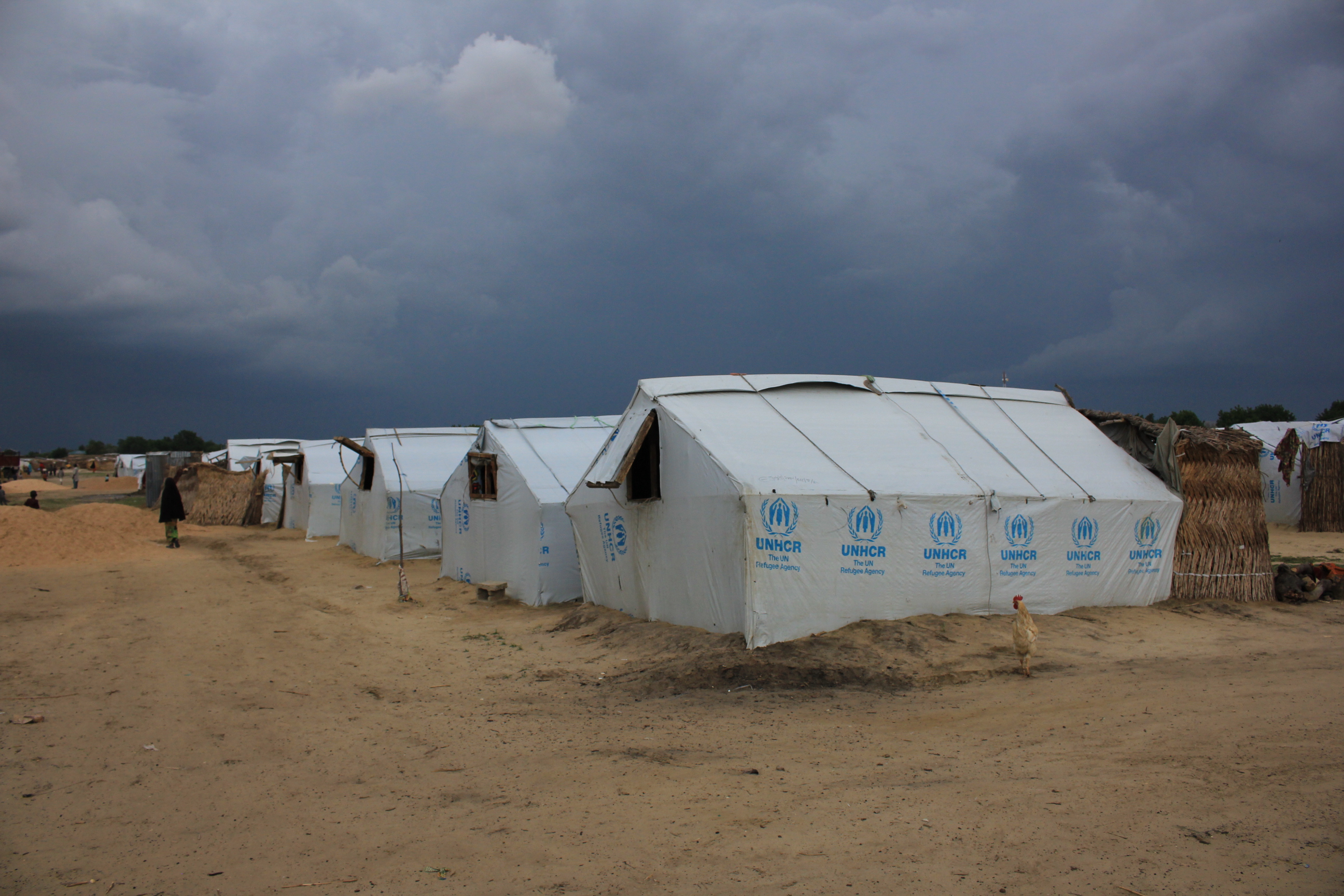
According to the OCHA, the total displaced in the last four months is now 330,000. The Office of the United Nations High Commissioner for Refugees (UNHCR) reported that civilians described nighttime attacks, homes burned, and summary executions, forcing families to flee with little or no belongings or documentation.
Children are disproportionately affected, making up approximately two-thirds of displaced populations, while women and girls face heightened risk of sexual and gender-based violence in overcrowded shelters. Many displaced families are reportedly seeking refuge in schools, churches and open spaces, where humanitarian aid is scarce and food distribution reaches only around 40 percent of those in need. Some families are reportedly returning to unsafe areas due to insufficient support.
The conflict began in Cabo Delgado province in 2017, where non-state armed groups first launched attacks on civilians and infrastructure. In 2025, the pattern of violence has changed: attacks are now reportedly spreading into Nampula province and other previously stable areas, forcing even host communities that sheltered displaced families to flee. The situation is further complicated by three cyclones earlier this year, which have damaged homes, disrupted livelihoods, and worsened food insecurity.
UN agencies warned that humanitarian resources are nearly exhausted. Funding for 2025 covers only 50 percent of the $42.7 million required. UNHCR projects it will need $38.2 million in 2026 to meet escalating needs. OCHA and other UN agencies cautioned that without urgent assistance, the crisis is likely to deepen, leaving families repeatedly displaced, with limited protection and rising vulnerability to abuse and exploitation.
