
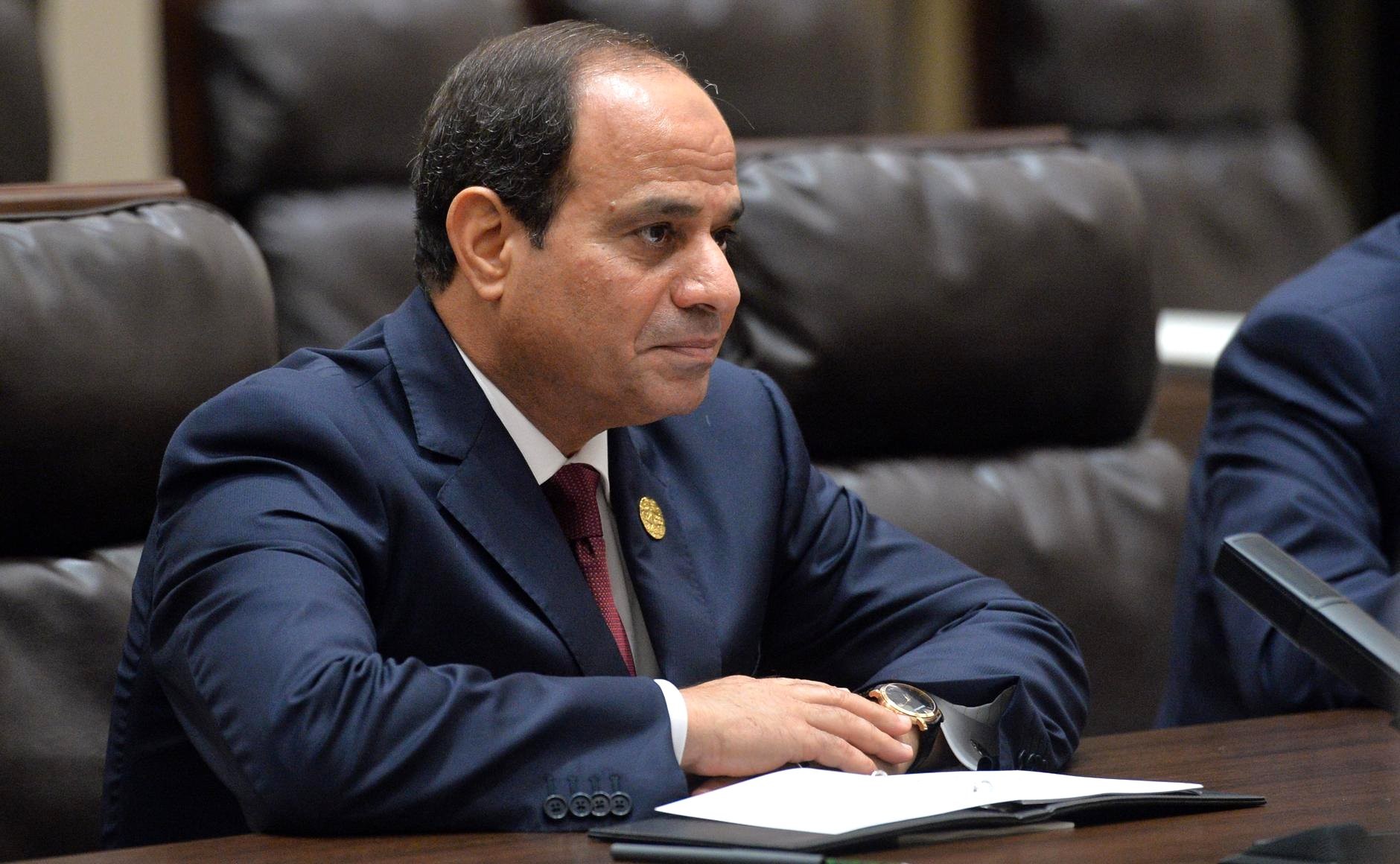
Over 20 rights groups welcomed Egyptian President Abdel Fattah Sisi’s refusal to sign a highly criticized draft Criminal Code on Tuesday, calling it a step in the right direction. Sisi’s move sends the code back to parliament for revision.
President Abdel Fattah el-Sisi refused to sign primarily due to Article 242 of the draft Code, which stipulates that final rulings in criminal cases are not subject to appeal. The President stated that this provision is inconsistent with the principles of justice and the rights guaranteed by international human rights conventions. The House of Representatives (HOR) has since announced that it will convene an urgent session on October 1, and has invited the Prime Minister to discuss his objections with the House.
In August 2024, the HOR started revising a new draft of the Code. The Human Rights Watch, Amnesty International, and the International Commission of Jurists had individually called on Egypt’s parliament to reject the draft before ultimately releasing a joint statement. The statement urged Parliament to drop its current draft and restart, stating that the Code shows Egypt’s “shameless audacity” and little regard for basic human rights.
The criticized draft continued garnering local and international attention, first with the Cairo Institute for Human Rights in December 2024, which highlighted that the Code completely erodes the rule of law and violates privacy by allowing the recording of conversations in private spaces. The UN Human Rights Office also expressed transparency concerns in May of this year, when the draft passed internal review and was approved by the HOR.
When the House submitted the Code on August 26, 2025, numerous appeals were submitted to the President according to the official Egyptian press release. The Egyptian Commission of Rights and Freedoms condemned the Code, stating that if approved, it would:
[legitimise] judicial practices that undermine fair trial guarantees. These include limiting access to case files, denying the presence of a lawyer with the defendant, and violating the right to a public trial.
The proposed Code would extend immunity for police officers, preventing people from directly filing charges against them, even in cases of torture. It would also allow prosecutors to continue extending pre-trial detention without judicial oversight. Prosecutors have been extending detentions by “rotating” or recycling charges, meaning new charges are laid based on identical or similar grounds to extend the 150-day legal limit. On the other hand, the Code also targets anti-corruption and includes 20 key recommendations about torture and pre-trial detentions suggested in the 2023 National Dialogue.

_03.jpg”)