
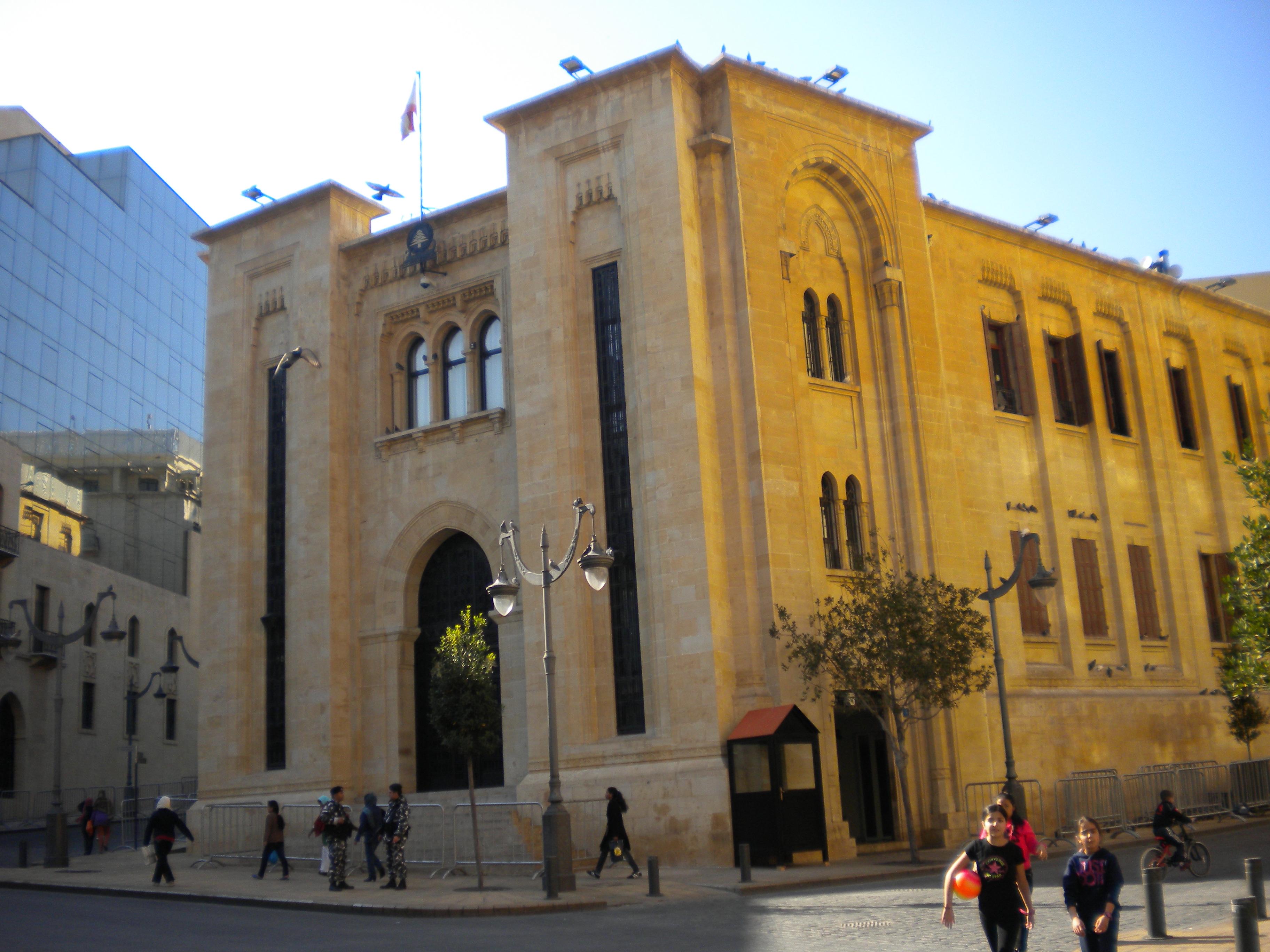
As Lebanon’s Parliament approaches a crucial juncture in drafting a new media law, 14 Lebanese and international rights organizations, including Human Rights Watch, called on legislators Tuesday to ensure it protects freedom of expression.
While the law initially offered opportunities to strengthen protections for journalists and media outlets, recent proposed amendments risk undermining these rights. Organizations argued that the draft should remove criminal penalties for defamation, blasphemy, insult, and criticism of public officials, prevent pretrial detention in speech-related cases, and eliminate unnecessary barriers for establishing new media outlets.
The Administration and Justice Committee is scheduled to resume deliberations on the bill on September 16.
Lebanon’s existing criminal defamation framework has been repeatedly used to target government critics, journalists, and activists, resulting in repeated summons and intimidation for reporting on public-interest issues. Observers note that the law must align with international standards, including Article 19 of the International Covenant on Civil and Political Rights (ICCPR), which guarantees the right to seek, receive, and share information and ideas. Any restriction on expression, according to the ICCPR, must be clearly defined by law and necessary for protecting legitimate interests, such as the rights of others or national security. Vague or overly broad restrictions risk violating these obligations.
The drafting of Lebanon’s media law has been underway for more than a decade. The initiative began in 2010 after a proposal by former MP Ghassan Moukheiber and the Maharat Foundation—a Beirut-based NGO that advocates for media freedom. In January 2023, a parliamentary subcommittee was formed to review and update the draft, which was submitted to the Administration and Justice Committee on May 27, 2025. Early versions of the bill offered notable reforms, including eliminating pretrial detention for speech-related offenses, repealing criminal defamation and insult provisions, and loosening regulations for new media outlets.
Recent amendments, however, could roll back these reforms. They propose reinstating pretrial detention “under aggravated circumstances, such as infringing on individuals’ dignity or private lives” and limiting media outlets from publishing materials about complainants during ongoing judicial proceedings. Additional changes would impose burdensome reporting and licensing requirements on media organizations, raising concerns about arbitrary restrictions on who may operate a media outlet. Rights groups warn that these amendments could significantly restrict freedom of expression and compromise media independence.
The Administration and Justice Committee has conducted confidential discussions on the draft since July 29, 2025. Advocates emphasize that transparency is essential to allow meaningful public input and to ensure that the legislation strengthens fundamental rights rather than curtailing them.

