
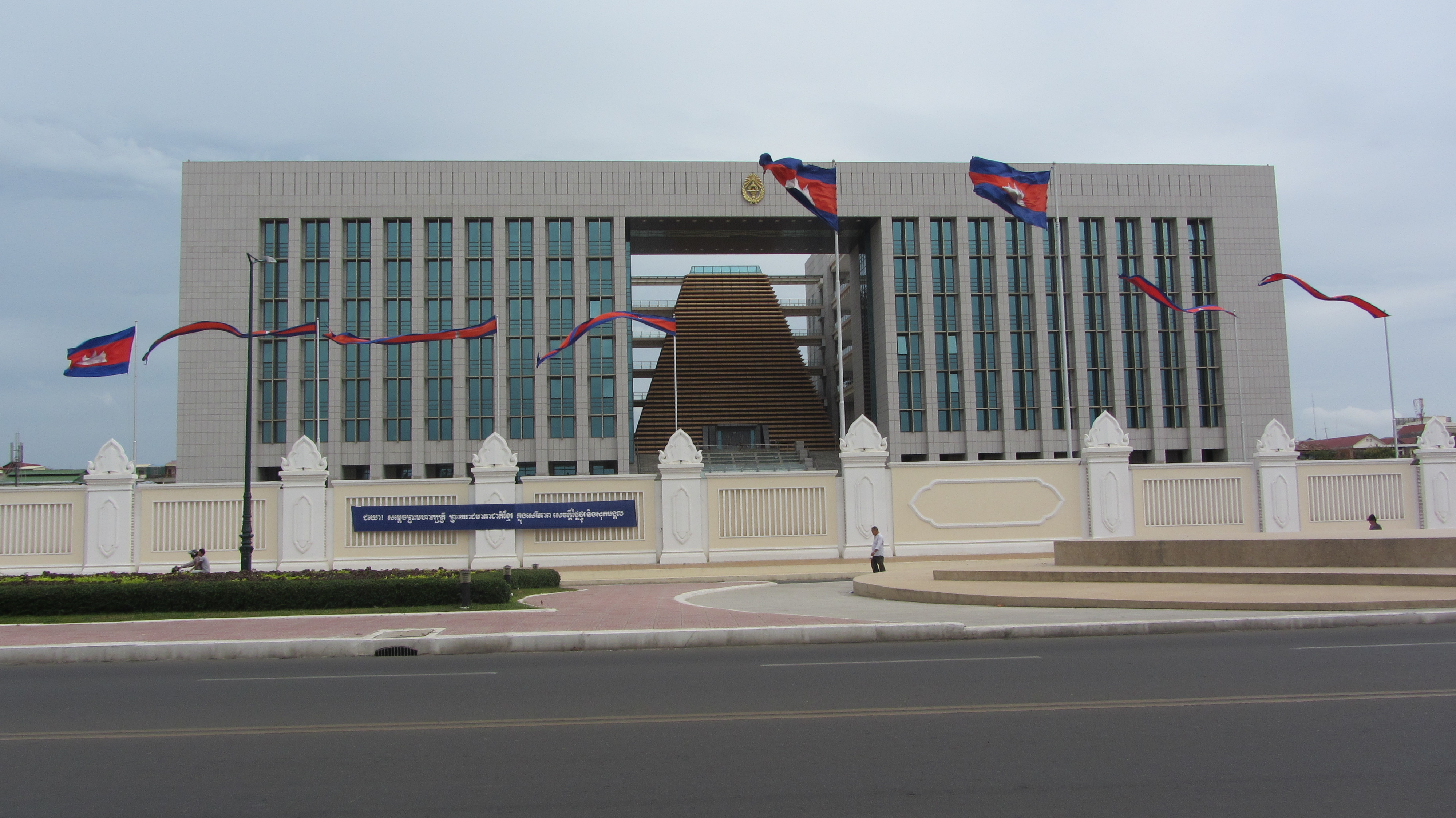
Human Rights Watch on Monday denounced Cambodia’s National Assembly for approving amendments to the citizenship law that empower the government to strip or deny citizenship as a means of silencing critics, warning that the move could fuel politically motivated statelessness and deepen repression in the country.
The new amendments empower the Cambodian government to strip nationals, naturalized citizens, and dual citizens of their citizenship if they are convicted of treason by the courts, which are dominated by the ruling Cambodian People’s Party. Under the revised law, treason includes accusations of “siding with foreign nations to harm the country,” a definition which experts claim is so broad and ambiguous as to make it prone to political weaponization.
Cambodian Prime Minister and current Senate President Hun Sen framed the new law as a move toward greater public unity amid the country’s ongoing border dispute with Thailand. Justice Minister Koeut Rith also claimed that the law aimed to “purify patriotism and the loyalty of the Khmer people.”
The Constitutional Council had earlier approved an amendment to Article 33 of the Cambodian Constitution, abolishing the safeguard that protected individuals from arbitrary deprivation of nationality. The National Assembly unanimously endorsed the amendment, and the change was subsequently ratified by the Senate, signed into effect by the king, and passed in Parliament with the unanimous support of all 120 lawmakers.
In Cambodia, where the military holds significant influence over the inner workings of government, threats against individuals, such as the deprivation of their nationality, have become increasingly commonplace. In 2011, the government issued issued with arrest warrants against prominent opposition leader Sam Rainsy over charges of “public defamation” and “incitement of discrimination” in relation to comments that he had made against another politician in 2008. The case that demonstrated a lack of free speech rights in Cambodia, and Rainsy later won a defamation case against the politician in the highest court of France. The broad use of criminal law to silence dissent has raised concerns among international free speech and rights advocates.
Governments have a positive mandatory obligation, as enshrined under Article 8 of the 1961 Convention on the Reduction of Statelessness (CRS), to ensure individuals are not arbitrarily deprived of their nationality, with narrow exceptions such as fraudulent acquisition of nationality. Notably, the exercise of one’s fundamental rights does not constitute a lawful basis for nationality deprivation under the convention.

.jpg)