
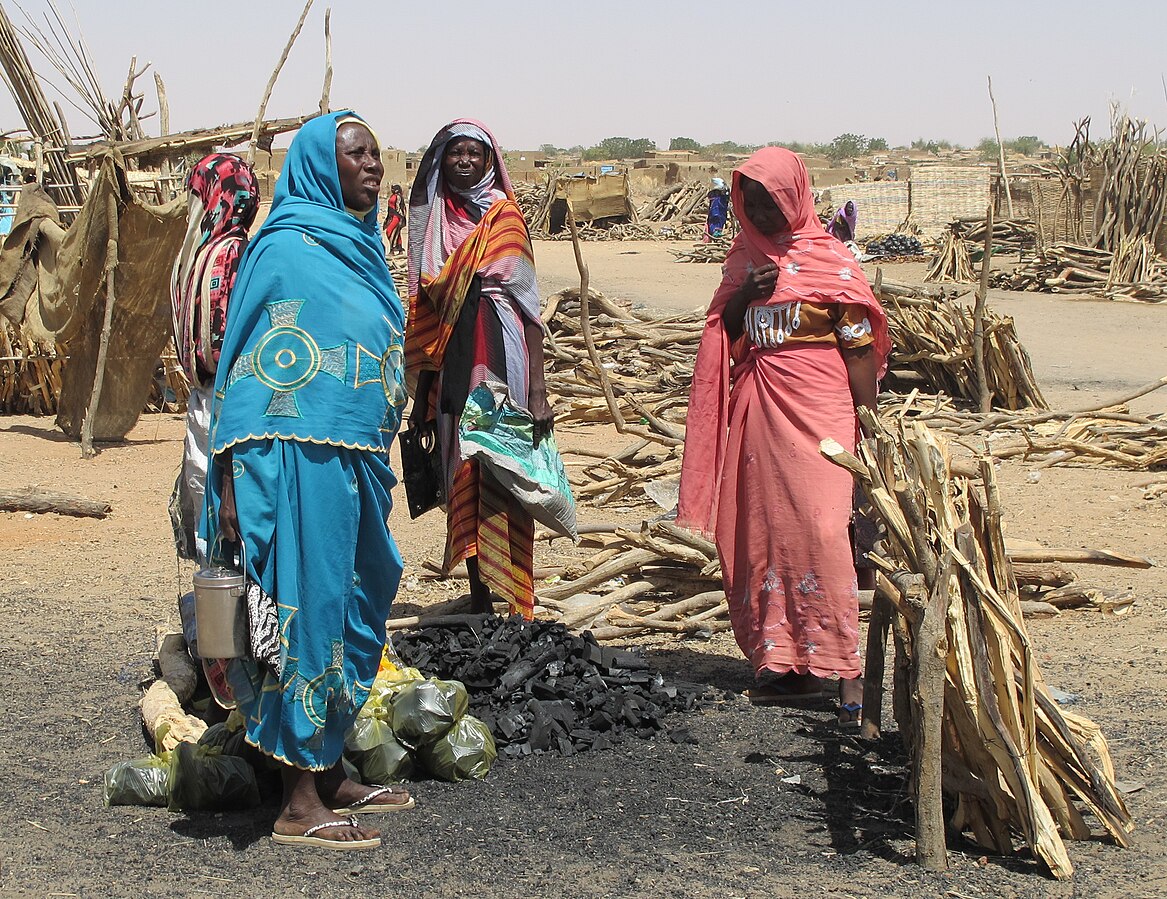
The UN warned on Thursday that women and girls in Sudan are facing a “gender emergency” as the North Darfur state capital of El Fasher remains under siege, facing starvation, violence and a cholera outbreak.
The UN Women representative in Sudan, Salvator Nkurunziza, warned that this leaves women and girls more vulnerable to abuse and exploitation, especially during the delivery of aid, where protection mechanisms are weak or absent in some locations.” Fear of violence may even prevent women and girls from seeking aid and food assistance altogether.
The Unit for Combating Violence Against Women in Sudan reported that, as of March 2025, “there have been 1,138 cases of rape recorded since April 2023, including 193 children.” Nkurunziza commented that this statistic may not be a true reflection, and the numbers may be higher, as stigma and other factors prevent gender-based violence from being accurately reported.
UN Women, at a press briefing on Tuesday, reported that the food insecurity in Sudan is “profoundly gendered,” calling women and girls “the hungriest faces of this crisis.” The agency outlined the disproportionate impact that the food crisis has had on women and girls, citing that “75% of female-headed households … are food insecure.”
Sudan’s civil war broke out in Sudan in 2023 between the Rapid Support Forces (RSF) and Sudanese Armed Forces (SAF), exacerbating the already severe humanitarian crisis in the country. The renewed violence has resulted in a deteriorating humanitarian crisis, rising starvation, displacement, and violence. El Fasher in North Darfur has been under siege, and as a consequence, road blockades prevent aid and food from reaching the city. The country has also been battling a cholera outbreak since August 2024, with more than 50,000 confirmed cases and at least 1,350 deaths.
The UN called for the prioritization of “female-headed households and at-risk groups, including pregnant and breastfeeding women and adolescent girls in food assistance,” funding “women-led food support initiatives,” linking “food assistance to protection and recovery,” and the tracking of gender outcomes.

