
 News
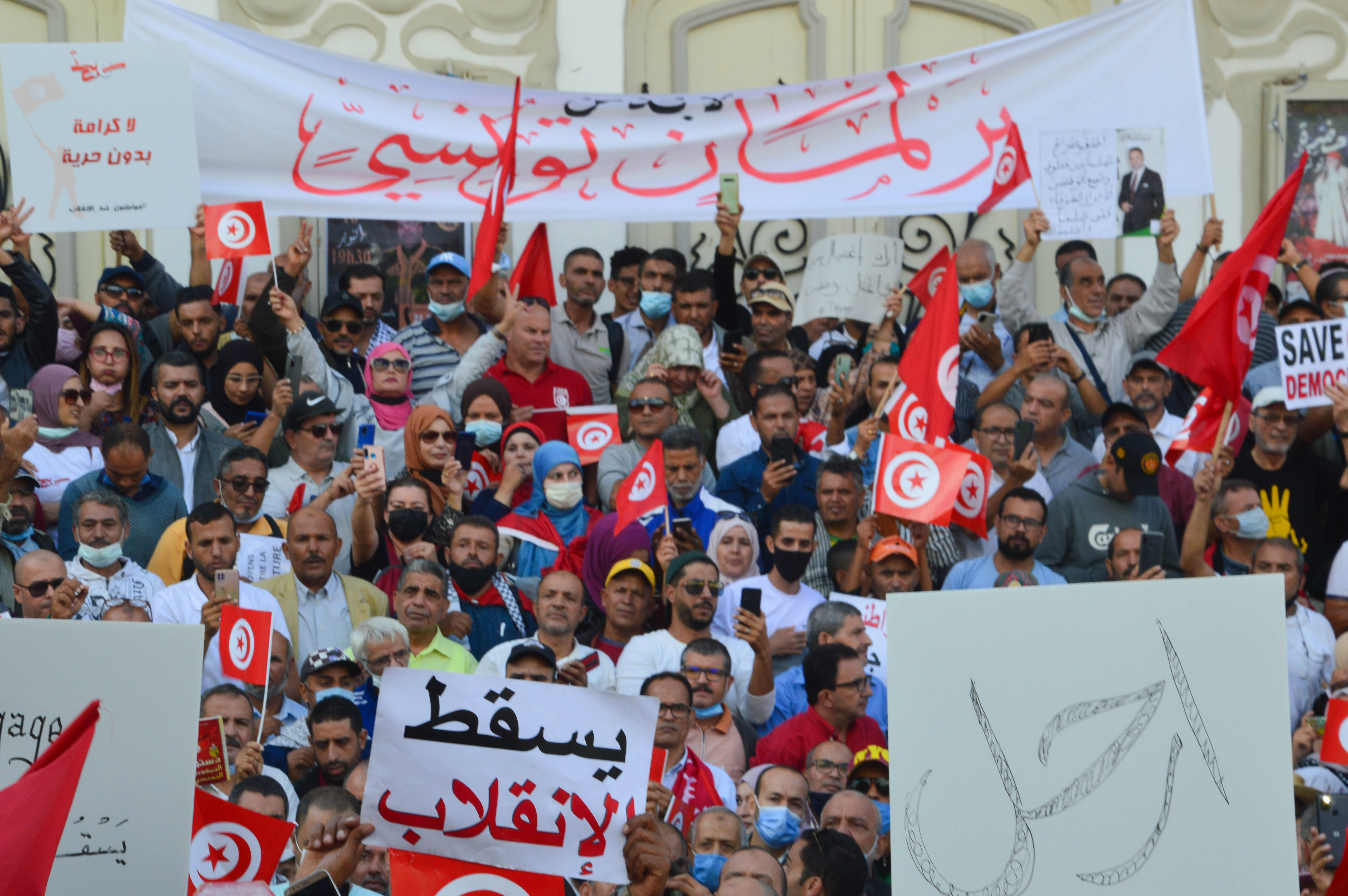
NewsTunisian authorities have intensified their crackdown on peaceful dissent and opposition voices, targeting marginalized communities and activists under vague legal provisions, Amnesty International said in a report released Tuesday.
Titled “We were only asking for our rights and dignity,” the report documents how, between February 2020 and January 2025, at least 90 peaceful protesters, unionists, and environmental activists were arrested or prosecuted for protesting poor working conditions, pollution, or lack of water. Most were charged under ambiguous “obstruction” provisions in Tunisia’s Penal Code.
The Amnesty report highlighted how Tunisia’s laws are used to silence community protests. In Sfax, police pressured female forestry workers to pledge not to protest after a sit-in.
Amnesty documented legal violations in five of nine cases reviewed, including a lack of fair trial guarantees. It urged Tunisian authorities to drop all charges linked to peaceful protest and repeal or amend Articles 107 and 136 of the Penal Code.
Sara Hashash, deputy regional director for the Middle East and North Africa at Amnesty International, said:
The arbitrary application of these vaguely worded ‘obstruction’ legal provisions, coupled with fair trial violations, violates Tunisia’s international human rights obligations and sends a chilling message to anyone daring to speak out for their rights.
