
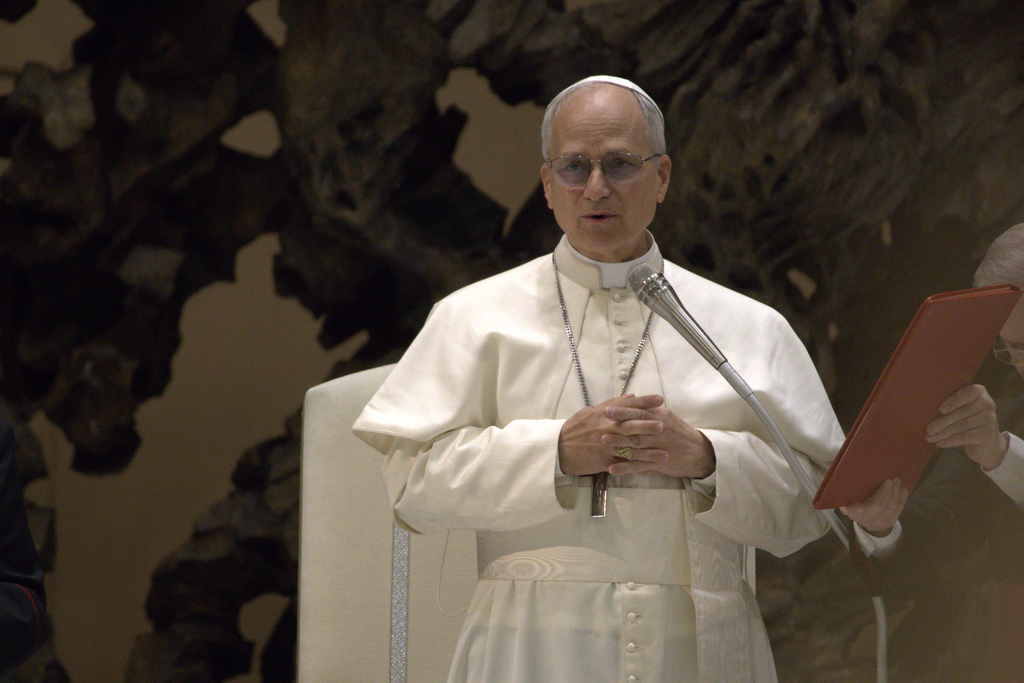
Pope Leo XIV called Wednesday for an immediate ceasefire in Gaza and for Israel and Hamas to fully respect international humanitarian law. Speaking during his weekly general audience in St. Peter’s Square, the pontiff decried the ongoing violence and the suffering of civilians, particularly children. “In the Gaza Strip, the intense cries are reaching Heaven more and more from mothers and fathers who hold tightly to the bodies of their dead children,” he said.
Pope Leo XIV, who was elected on May 8 following the death of Pope Francis, has continued his predecessor’s stance on the conflict, emphasizing the need for peace and humanitarian assistance in the region. In his first general audience, held last week, he had also called on Israel to allow more humanitarian aid to enter Gaza.
As of May 2025, over 54,000 individuals have been killed in the war between Israel and Hamas, with women and children comprising a significant portion of the fatalities.
While the US has proposed a new ceasefire plan, which includes a 60-day truce and phased hostage-prisoner exchanges, Hamas has expressed reservations, citing the plan’s failure to address core demands. The International Criminal Court (ICC) has also taken action, issuing arrest warrants for Israeli Prime Minister Benjamin Netanyahu and former Defense Minister Yoav Gallant in November, alleging responsibility for war crimes and crimes against humanity during the Gaza war. The ICC also issued a warrant for Hamas military commander Mohammed Deif.
Pope Leo XIV’s appeal adds to the growing international calls for an end to the hostilities and emphasizes the urgent need for all parties to adhere to international humanitarian law to protect civilians and facilitate humanitarian assistance. “To those responsible, I renew my appeal: stop the fighting,” said the pope. “Liberate all the hostages. Completely respect humanitarian law.”

