
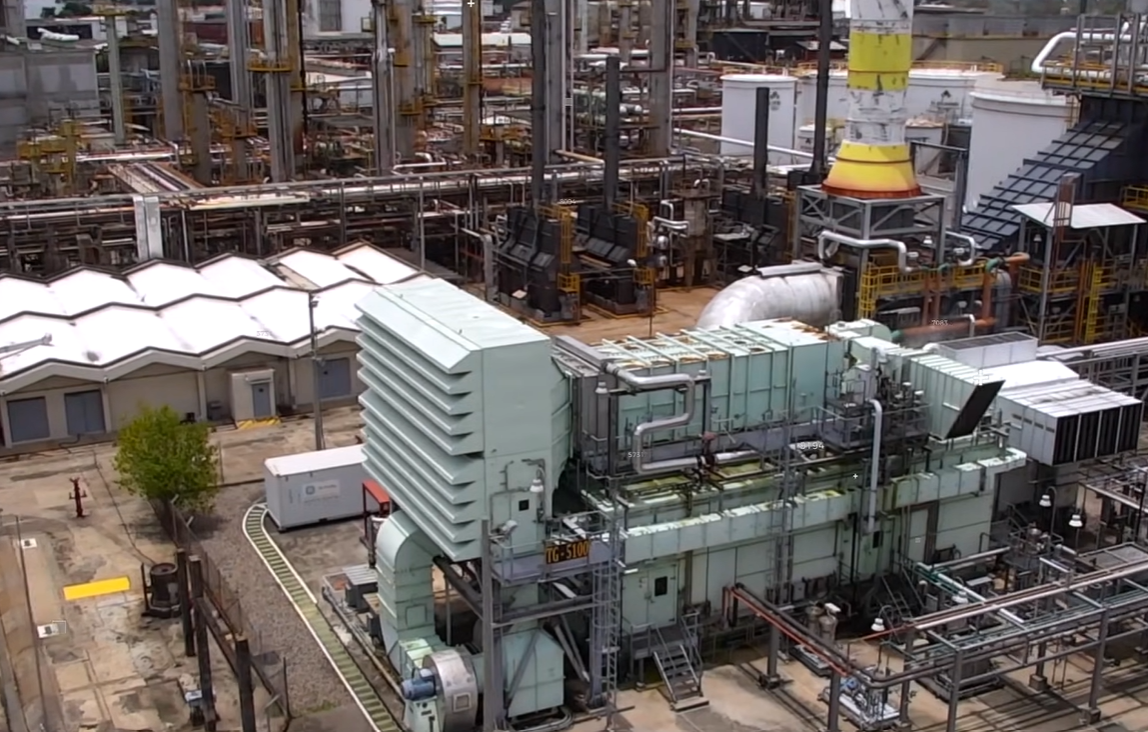
UN experts on Wednesday welcomed a recent ruling by Colombia’s Special Jurisdiction for Peace (JEP) relating to Macro-Case 08, recognizing the responsibility of an Ecopetrol director and several state agents for war crimes, crimes against humanity, and serious human rights violations.
The ruling concerns abuses committed during the armed conflict in Barrancabermeja in the late 1990s that saw several people killed and abducted.
“The JEP’s decision represents a significant step forward for truth, justice and accountability regarding the impacts of corporate activities in conflict-affected contexts,” the experts stated.
According to the United Nations Guiding Principles on Business and Human Rights, companies have a responsibility to participate in redressing the negative impacts they have caused or contributed to through their operations. The principles outline that strong policy reasons exist for home states to clearly set out the expectation that businesses respect human rights domestically and abroad.
These reasons include ensuring predictability for business enterprises by providing coherent and consistent messages, and preserving the State’s own reputation, especially when the State itself is involved in or supports those businesses, which is the case with Ecopetrol.
Some of the violations committed include 23 confirmed cases of greenhouse gas releases indicating methane emissions in violation of Colombian law, according to an Earthworks study. Ecopetrol’s hidden methane problem, if left unaddressed, poses a serious risk of jeopardizing Colombia’s global methane mitigation leadership initiatives, the findings explained.
Further, the Iguana Papers, released by the Environmental Investigation Agency, revealed over 800 records of polluted sites near critical ecosystems along the Magdalena River between 1989 and 2018, with reports suggesting Ecopetrol hid 170 of those cases (20 percent) from authorities, in violation of Colombian law.
The Iguana Papers rely on reputable evidence showing “the sophisticated system of surveillance that Ecopetrol apparently developed to monitor, influence, and coerce individuals and organizations identified as a threat to the company’s operations, including environmental activists, union representatives, and community and religious leaders.”
Ecopetrol has been linked to long-standing territorial and environmental disputes involving Indigenous communities. In December 2024, the Inter-American Court of Human Rights issued a ruling in the case of the U’wa Indigenous People v. Colombia. The Colombian state was found responsible for human rights violations, and was ordered, among other measures, to carry out a participatory process regarding ongoing extractive activities and ensure that projects within or adjacent to the U’wa reservation do not cause harmful impacts.
Throughout 2025, Ecopetrol has participated in 24 planning and coordination meetings with central government and community entities, and progress is being made to ensure a participatory process with the U’wa people.
The experts urged Ecopetrol to continue engaging in a good faith, constructive dialogue with the victims and their representative organizations, adopting a restorative approach allowing for the identification of the harms suffered, expectations for reparations and the required measures that must be taken to help restore the rights violated.
Barrancabermeja is a major oil-refining and port city in the Magdalena Medio region of Colombia that has a long history of armed conflict involving leftist guerrillas, right-wing paramilitaries, and state security forces.

