
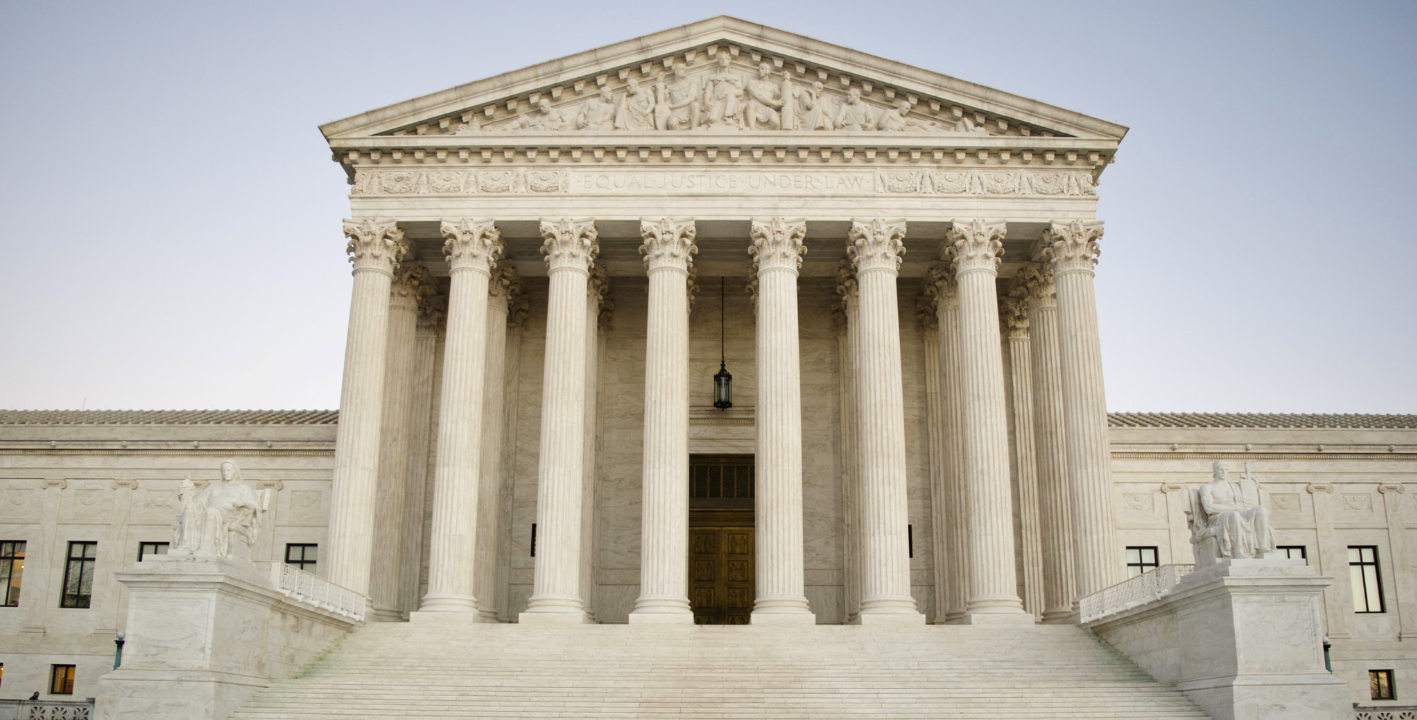
The Trump administration asked the US Supreme Court on Thursday to allow it to continue expedited deportations of immigrants to third countries, seeking emergency relief from a lower court ruling requiring the government to provide individuals with a meaningful opportunity to raise fears of persecution or torture before removal.
Third-country removals involve deporting immigrants to countries other than their home countries, including countries where they may have no prior ties. In its emergency application, the administration asked the Supreme Court to pause the February judgment while it seeks further review and requested an immediate administrative stay in the meantime. Solicitor General D. John Sauer argued that the lower court’s requirements would significantly delay removals and disrupt the government’s ability to carry out final removal orders.
US District Judge Brian Murphy ruled the administration’s third-country removal policy unlawful in February, concluding that DHS could not remove people to another country without meaningful notice and an opportunity to object to that destination.
The administration appealed that ruling, but the US Court of Appeals for the First Circuit largely upheld it on Sept. 18. The appeals court agreed that DHS must provide effective notice of the intended destination and a meaningful opportunity to challenge the removal if an individual fears persecution or torture there. It also upheld the decision to set aside DHS guidance governing third-country removals under the Administrative Procedure Act.
In Thursday’s filing, the administration said the First Circuit dissolved its stay of the district court judgment late Wednesday night, immediately affecting ongoing removal operations. DHS said it canceled a flight carrying 70 people with criminal convictions to three countries and had to renew diplomatic discussions with those governments.
The government also defended its existing policy, arguing that DHS may promptly remove individuals when the receiving country has provided credible assurances that they will not face persecution or torture. When those assurances are absent, DHS says it provides notice of the proposed destination and an opportunity to raise safety concerns. The administration maintains that the lower courts imposed additional procedures beyond those required by federal law.
The administration further argued that third-country removals are necessary when individuals cannot be returned to the countries identified in their removal orders. It told the Court that thousands of people have already been removed to third countries under the policy and that thousands more remain eligible.
The Supreme Court will now decide whether to grant an immediate administrative stay and whether to pause the district court’s judgment while the administration seeks further review.

.jpeg)