
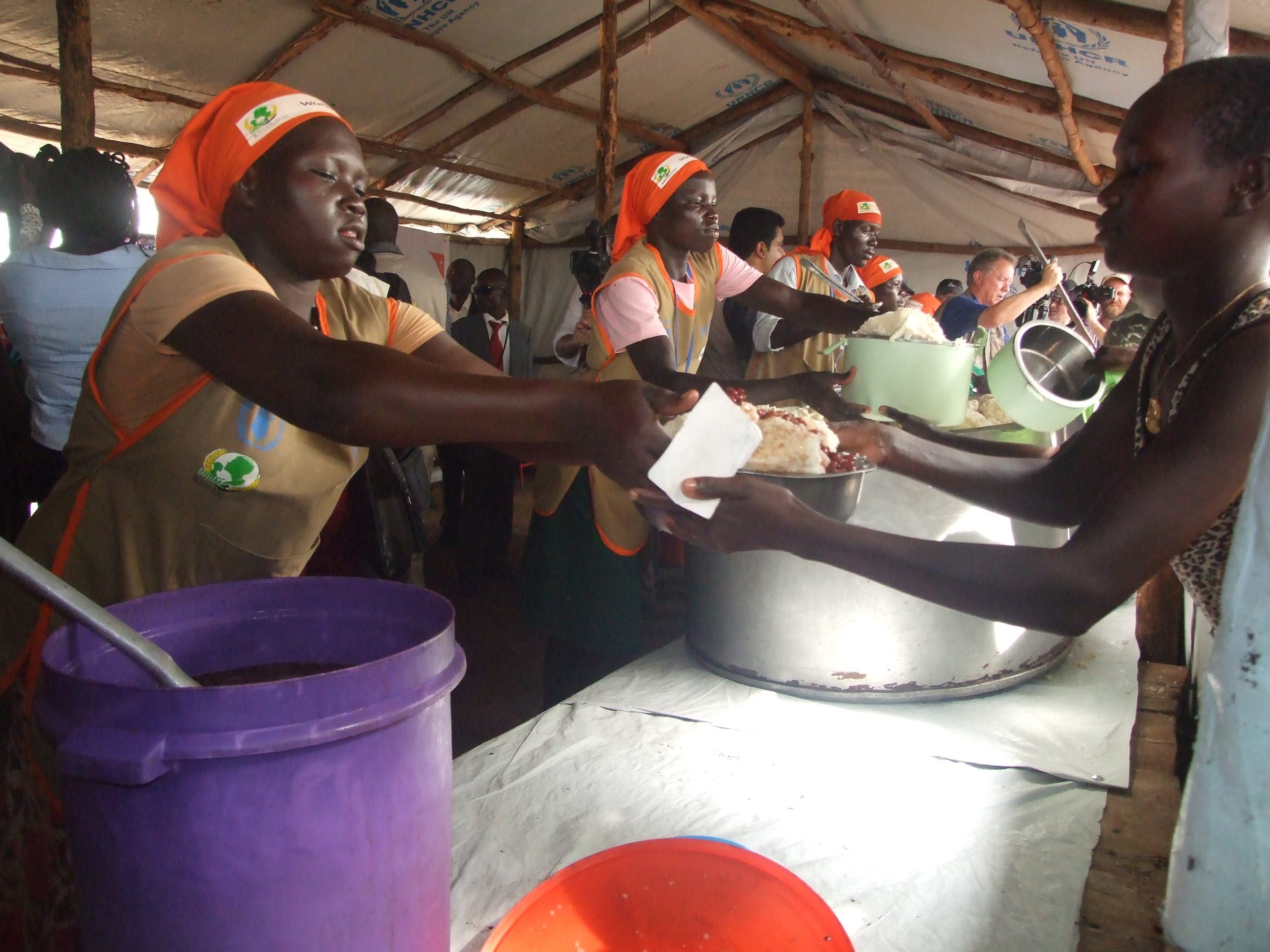
The UN World Food Programme (WFP) on Tuesday warned that South Sudan’s hunger crisis is worsening amid ongoing armed conflict, diminishing international aid, and a “super El Niño” set to impact the nation and greater region.
At a press briefing, WFP’s assistant executive director for program operations, Matthew Hollingworth, stated: “Conflict, displacement, economic hardship, climate shocks, and the situation in neighboring Sudan are all converging to push millions of people deeper into vulnerability.” Hollingworth noted that 2.2 million children and 1.2 million pregnant and breastfeeding women need urgent nutritional support, and that more than one million people could lose their food assistance by October. This follows an August warning from WFP regarding the funding shortfalls affecting refugees in South Sudan.
El Niño is a naturally occurring weather pattern in which waters in the Pacific Ocean become unusually warm, resulting in shifts to rainfall and temperature patterns across the world. This weather event is expected to suppress rainfall in the South Sudan region.
South Sudan has seen a growing humanitarian crisis stemming from a civil war initiated over 10 years ago. Violence and damage to critical infrastructure has been worsened by climate conditions. WFP explains that drought has damaged harvests across the country, and the looming impact of El Niño now threatens to exacerbate these issues, resulting in higher food prices, and deteriorating progress in accessing food resources in the region. Rights groups such as Human Rights Watch have accused both government and opposition forces of obstructing aid, including blocking access to opposition-held areas.
This proverbial storm of circumstances raises major concerns about the welfare and stability of the population in South Sudan and touches on broad topics of international law. Rule 55 of the International Committee of the Red Cross’ Customary International Humanitarian Law holds that parties to a conflict must “allow and facilitate rapid and unimpeded passage of humanitarian relief for civilians in need.”
Rule 56 requires that “parties to the conflict must ensure the freedom of movement of authorized humanitarian relief personnel essential to the exercise of their functions.” While non-binding as a statutory authority, these standards reflect customary law such as the Fourth Geneva Convention and UN Security Council Resolution 2417. In April, UN representatives urged South Sudan to guarantee humanitarian access.

