
Human Rights Watch and the Abdorrahman Boroumand Center for Human Rights in Iran issued a joint report Thursday charging that Iranian authorities are unlawfully executing protesters and political dissidents on a weekly basis.
In what is characterized as a “relentless attack on the right to life,” Iranian authorities have arbitrarily executed at least 59 men on politically motivated and vague “national security charges” following grossly unfair trials within the last five months.
Those executed included at least 32 in connection with protests, including this January’s mass protests and the 2022 “Woman, Life, Freedom” protests. Several of the executed protesters were teenagers, aged 18 or 19, with many others in their early 20s. Five were hanged in public squares using truck-mounted cranes to instill fear and deter further public dissent, a practice that human rights organizations denounce as a violation of international laws prohibiting torture and cruel, inhuman or degrading treatment.
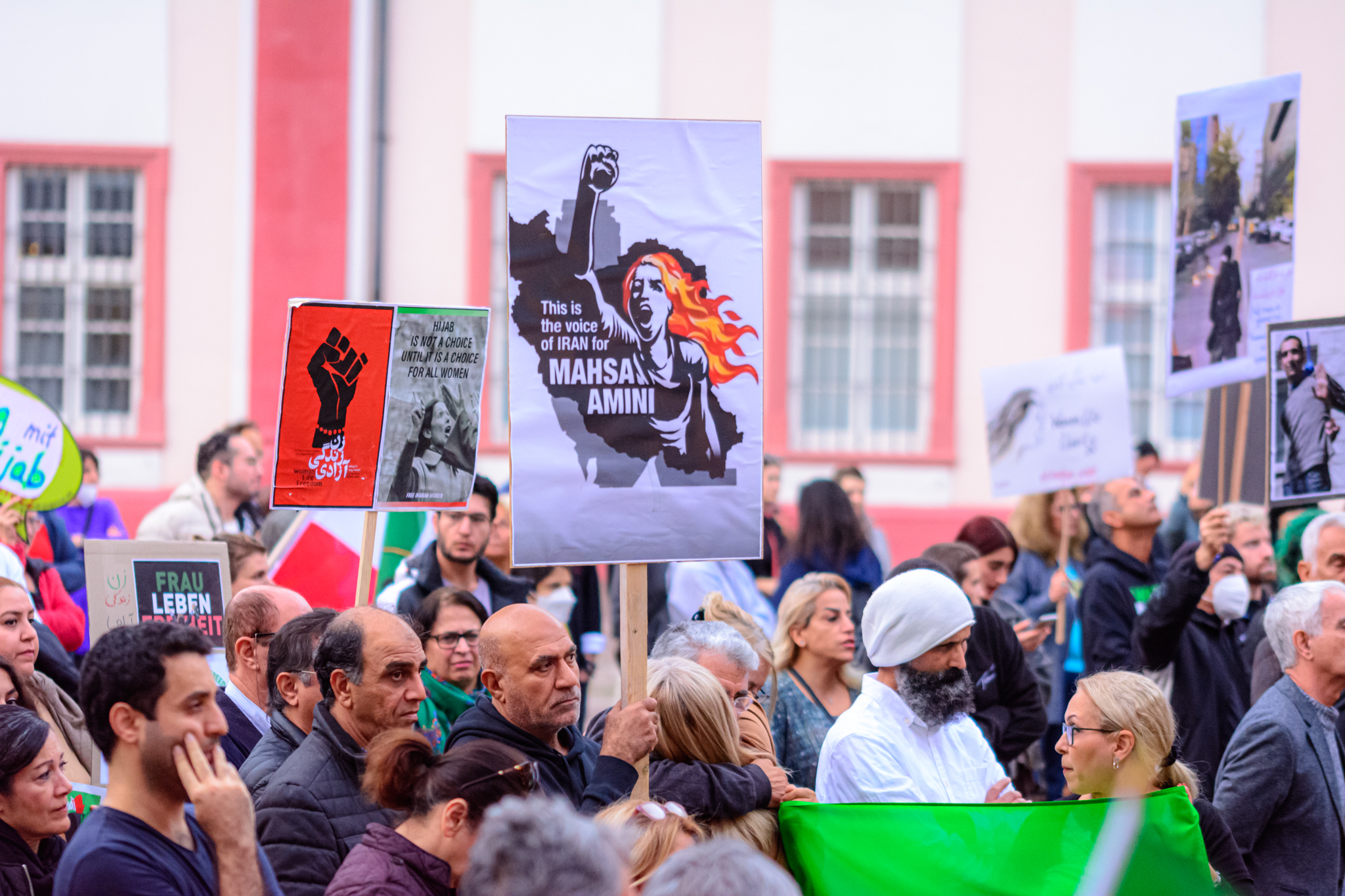
The January 2026 protests first erupted on December 28, 2025, after a sudden collapse of the country’s currency, and quickly escalated to demands for fundamental political change. Iranian authorities responded with extreme violence, using firearms and unlawful force against protesters, resulting in mass killings, and cut all internet access to conceal the repression starting on January 8. The 2022 “Woman, Life, Freedom” protests saw months of nationwide demonstrations sparked by the killing that September of Jina Mahsa Amini, a 22-year-old Kurdish woman who was arrested by the “Morality Police” for allegedly violating the mandatory hijab laws.
Continuing a decades-long pattern of denying detainees legal representation, authorities have blocked capital-offense suspects from consulting lawyers during investigations and interrogations, and from hiring independent defense counsel for trials. Capital charges in 16 cases did not involve any allegations of a killing, violating international norms that restrict the death penalty to cases of intentional killing.
Human Rights Watch urged UN member states to take coordinated diplomatic action, including “the use of measures such as universal jurisdiction to hold officials responsible for serious international crimes, including torture and enforced disappearances, to account.”
In 1988, Iranian authorities drew global condemnation after the regime extrajudicially executed between 2,800 and 5,000 political prisoners in accordance with a fatwa (decree) issued by then Supreme Leader Ruhollah Khomeini.
The victims were later dumped into mass graves without providing formal notification to families or conducting an independent investigation into the circumstances of their death, with families who sought accountability being subjected to harassment and threats.

