
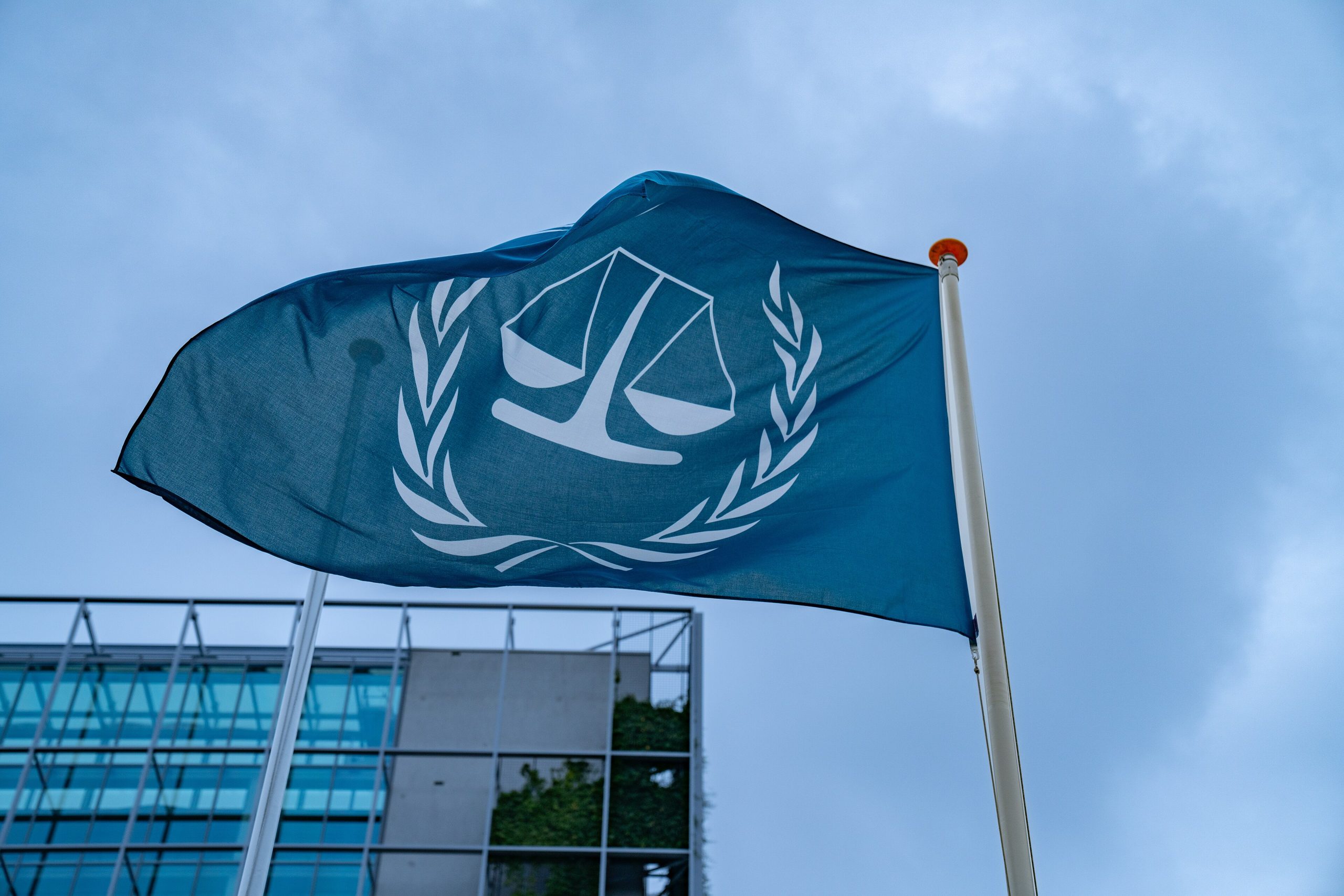
The Trial Chamber VI of the International Criminal Court (ICC) on Wednesday found Mahamat Said Abdel Kani guilty of crimes against humanity committed in the Central African Republic (CAR) in 2013.
Abdel Kani, a former commander of the Séléka militia coalition, was accused of orchestrating widespread attacks against civilians during the conflict in the country—and particularly abuse of detainees at the Office Central de Répression du Banditisme (OCRB), a detention center in the capital, Bangui. He faced charges of crimes against humanity including imprisonment, torture, prosecution, and other inhumane treatment directed at individuals perceived as supporters of former President François Bozizé as well as war crimes such as torture, cruel treatment, and outrages upon personal dignity.
The crimes were committed in the aftermath of the Séléka’s seizure of power in March 2013, a period marked by brutal violence and sectarian reprisals. The Séléka rebels unleashed waves of killings, rapes, and looting against those perceived as Bozizé supporters. A report by Human Rights Watch documented the extent of the abuses against women and girls, detailing at least 305 cases of rape and sexual slavery carried out within a four year period. The rights group stated that some of these women contracted HIV, and lost their livelihoods and access to education.
After reviewing the trial evidence, the judges concluded that Abdel Kani was guilty beyond reasonable doubt of four crimes against humanity, including unlawful imprisonment or severe deprivation of physical liberty, torture, persecution, and other inhumane acts. These offenses took place at the OCRB facility between April and August 2013. The Chamber determined that, as the Séléka commander overseeing the OCRB, he possessed the intent and awareness required, and therefore convicted him as a direct co-perpetrator.
However, the judges did not find sufficient proof to convict him of the war crimes of torture, cruel treatment, or outrages upon personal dignity, acquitting him of those charges. The acquittal hinged on the question of whether abuses took place in the context of an armed conflict, as defined by international law.
Victims at the OCRB were subjected to horrific living conditions, including overcrowded cells with walls marked by blood and bullet holes, and confinement in a windowless room directly under the floorboards of Said’s office.
In delivering the verdict, the Presiding Judge, Judge Miatta Maria Samba recognized the deep suffering of victims, who testified about the lasting damage these abuses caused to their health, families, and livelihoods. Former detainees described ongoing physical and psychological harm stemming from their mistreatment at the OCRB.
The judges have scheduled sentencing proceedings for November 2026 with both the defense and prosecution given the opportunity to appeal within 30 days. The Chamber launched formal reparations proceedings for the victims affected by the crimes for which he was convicted.
The ICC’s last formal conviction occurred in October 2025, when Sudanese commander Ali Muhammad Ali Abd-al-Rahman was found guilty of 27 counts of war crimes and crimes against humanity.

