
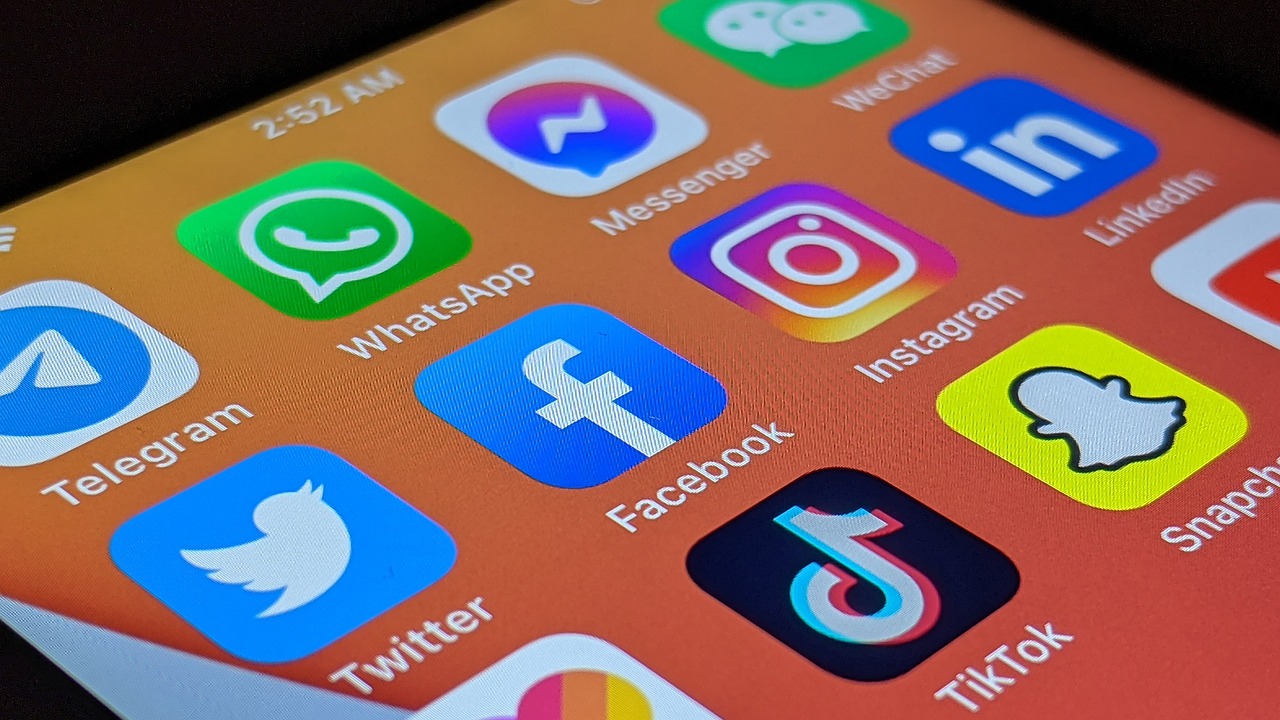
The Constitutional Council of France blocked the country’s new under-15 social media ban on Friday, holding that the ban was unconstitutional. The council reasoned that the ban unjustifiably deprived children of their right to freedom of expression and communication.
The council found that the ban on all online platforms that allow users to connect and communicate with one another is overly broad. This not only covers online social networking services and platforms but also collaboration tools, online communication applications, and even online games with strong collaborative and social features. Thus, the council concluded that the ban unnecessarily covered online services that do not pose risks to minors’ safety and health.
The council also found the law disproportionate because it prevented guardians from lifting the prohibition when they believed access to online tools was in their child’s best interest. It held that the law has failed to allow a particular assessment of the risk based on the minor’s age, personal characteristics and the nature of the online service. A general prohibition violates the freedom of expression and communication, as the council held.
Apart from the right to free speech, the court also found that the age-verification requirement on all users is inconsistent with the right to respect for private life under Article 2 of the country’s Declaration of the Rights of Man 1789.
On July 21, the French Senate overwhelmingly approved the ban by a 243–2 vote, with 100 abstentions. The legislature purported to protect teenagers from anxiety-inducing or harmful videos prompted by social media algorithms. The law also sought to protect children from cyberbullying and screen addiction.
Since Australia first imposed an underage social media ban in December 2025, a growing number of countries have adopted similar laws, including the UK, Canada, and Spain. While Australia announced its strengthening plan in June, the government is also facing lawsuits from Reddit and the Digital Freedom Project, challenging the ban’s constitutionality.
Canadian technology law professors Robert Diab and Michael Geist similarly argued that Canada’s social media ban contravenes the right to freedom of expression as guaranteed by the Canadian Charter of Rights and Freedoms.
In May, UN High Commissioner for Human Rights Volker Türk called on countries to establish effective regulation of online platforms rather than banning social media completely. He added that blanket bans only deny children access to valuable online tools.
