
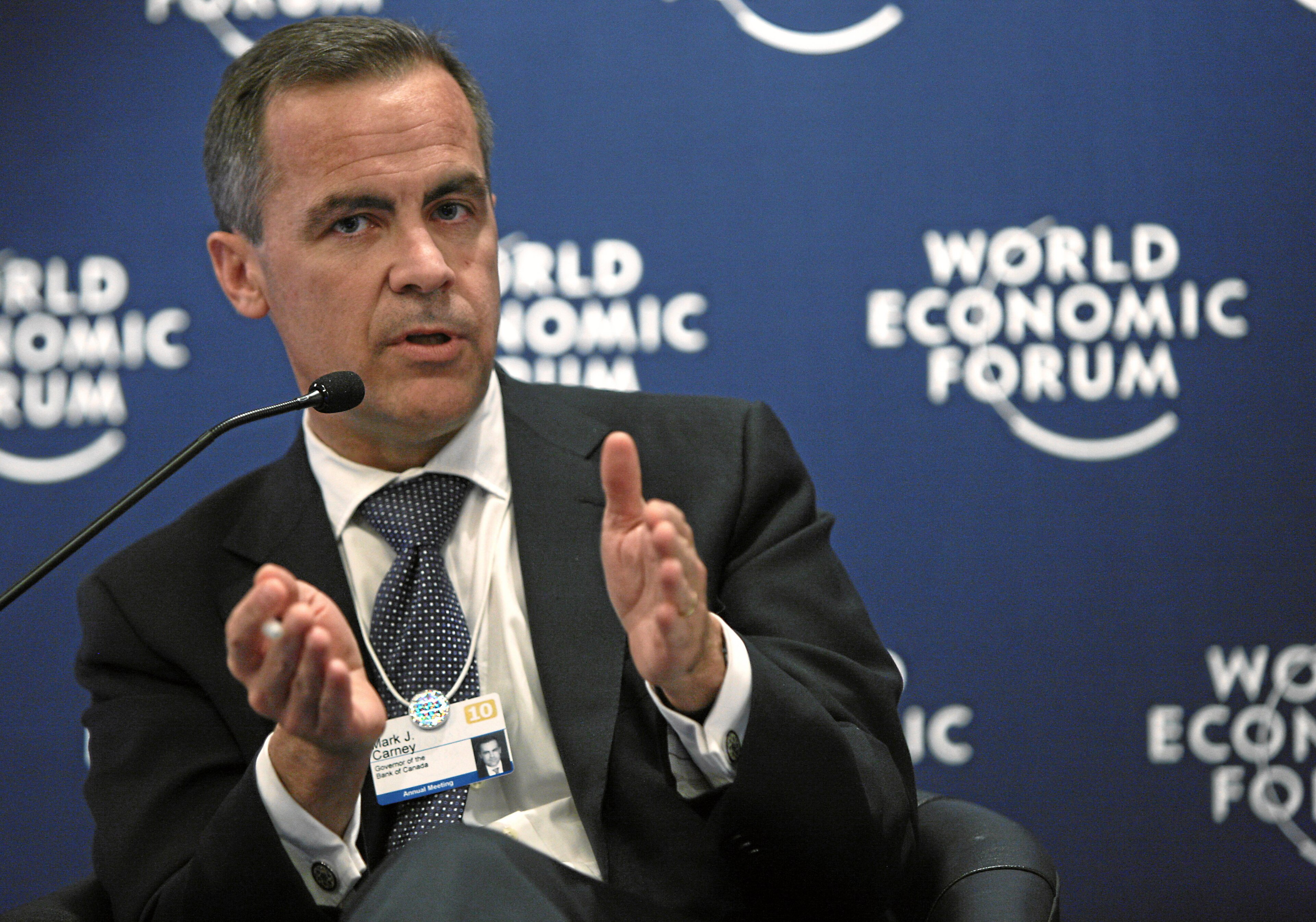
Canadian Prime Minister Mark Carney announced on Tuesday Canada’s decision to impose retaliatory tariffs on $20B in US goods, beginning on September 8th, 2026. This move comes after the Trump administration imposed 50% tariffs over the weekend on Canadian goods following the collapse of trade negotiations.
The failure of last-ditch trade negotiations on Friday marks a notable turn in the Canada-US relationship, which has long been regarded as one of the most integrated and stable bilateral partnerships in modern history. Data from the US Embassy best illustrates the scale of the relationship, showing that bilateral trade in goods and services averages roughly $2.5 billion per day. Carney was quoted as saying that Canada has recognized that “America has changed” and that, ultimately, the countries would “not return to our old relationship.” President Donald Trump then intensified the confrontation among the two North American nations on Monday, telling Canadian leaders to “fall in line.”
The US buys roughly $380 billion to $400 billion in goods from Canada every year, accounting for about 12% to 14% of all US imports. Canada accounts for approximately 14% of total US exports. This makes Canada one of America’s largest and most important trading partners, however trade relations may be asymmetrical, with Canada relying more heavily on the US. With Canada buying roughly 62.2% imported goods from the US and selling about 72% of exported goods to the US.
Although these tariffs are widespread, including steel, dairy products, appliances and paper, some critical and integrated industries, such as crude oil and automotive manufacturing, have largely been excluded from the tariffs to minimize severe price shocks on both sides.
This is the latest development in a string of countermeasures adopted by countries such as China and the European Union, that have faced US tariff actions in recent years. Trade experts such as Robert Lawrence have characterized these measures as protectionist policies intended to safeguard American industries and gain political leverage in global negotiations. As these trade disputes continue to unfold in real-time globally, the long-term implications of these tariffs remain to be seen.

