
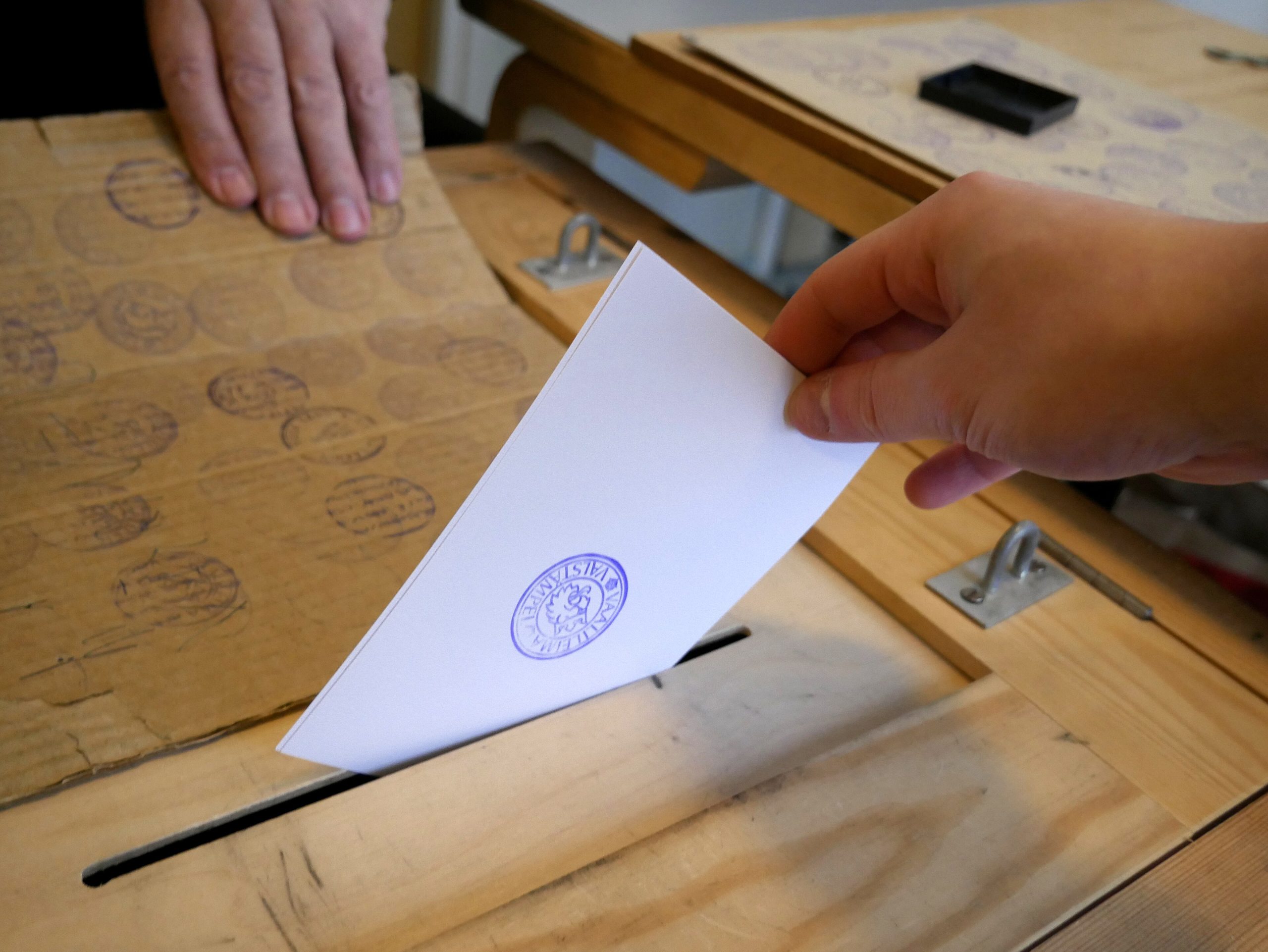
Amnesty International on Monday urged candidates in Zambia’s upcoming general elections to show a clear and genuine commitment to reversing the nation’s troubling authoritarian slide, warning that persistent state crackdowns on free speech and peaceful assembly now pose a serious threat to fundamental rights in the tense run-up to polling day, on election day itself, and the potentially volatile period that follows.
Highlighting the stark contrast between the current administration’s political promises and the deteriorating reality on the ground, Tigere Chagutah, Amnesty International’s regional director for East and Southern Africa, stated: “In 2021, Zambians voted in the hope for change following promises to respect human rights. Instead, authorities have resorted to the familiar playbook of using the law to criminalize peaceful dissent and silence independent media.”
The briefing flagged several legislative threats, such as the Cyber Security Act and Cyber Crimes Act 2025, particularly the latter’s provisions on defamation and harassment, which have become tools to silence independent media and government critics and suppress public debate ahead of the vote. In July, Amnesty International called for the release of ZNBC journalist MacPherson Mukuka, who was arrested after posting a recording reportedly depicting public servants on a Presidential Campaign Team committee secretly discussing election tactics.
Zambian courts and cyber laws have drawn press freedom concerns since 2025. A proposed Non-Governmental Organizations Bill before Parliament would grant the government excessive powers over the registration, regulation, suspension, and dissolution of civil society organizations, which could seriously undermine their independence.
Parliament passed a Public Gatherings Bill on May 12 to replace the colonial-era Public Order Act, but President Hakainde Hichilema declined assent, citing inconsistencies with judicial precedent. The effective cancellation of RightsCon in Zambia in May 2026 was cited as further evidence of shrinking civic space.
Zambia is a state party to the International Covenant on Civil and Political Rights (ICCPR) and the African Charter on Human and Peoples’ Rights, both of which guarantee the rights to freedom of expression, peaceful assembly, and association. Amnesty said its investigation documented intensified restrictions on these rights through broadly worded laws, intimidation, harassment, and surveillance, based on interviews with 14 human rights defenders, seven journalists, four student leaders, and two opposition politicians conducted in May 2026.
Despite a series of reforms since 2021, including the repeal of criminal defamation to the president, the abolition of the death penalty, and the enactment of the Access to Information Act, those hard-won gains are being systematically eroded by the misuse of other laws, with authorities increasingly deploying legal instruments to silence opposition voices, restrict media freedom, and curtail peaceful protest, raising serious questions about the government’s alignment with its own reform agenda.
The rights group called on the next government to repeal or amend laws incompatible with Zambia’s Constitution and its international human rights obligations, arguing that only through comprehensive legal reform can the country break free from a cycle of repression and restore public trust in its institutions.
Amnesty’s briefing was released three days before Zambians go to the polls on August 13. Thursday’s vote will be the country’s first general election since Hichilema came to power in 2021 on promises of democratic reform that Amnesty says have been undermined by increasing restrictions on civic space.

