
Marta Schaaf, Amnesty International’s program director for climate, social justice and corporate accountability, said Wednesday in a statement that the extreme heat driving wildfires, drought and floods across multiple continents amounts to a human rights emergency. She urged national governments to protect people now and to confront the fossil fuel industry Amnesty blames for the crisis.
Schaaf tied the crisis to corporate greed and government failure. “This heat is political… It is a human rights emergency that threatens the rights to life, health, housing, water and sanitation, food, education, and a healthy environment.” She added that “[t]hese harms are being made worse by authoritarian tactics that attack climate science, restrict protest, spread climate disinformation and shield powerful fossil fuel interests from accountability.” She described extreme heat as “a multiplier of human rights harm,” rather than a stand-alone disaster.
Amnesty’s statement lands amid mounting evidence of the toll that extreme heat has taken globally. The World Health Organization’s heat-and-health fact sheet says the number of people exposed to extreme heat is climbing steeply in every region this century. It estimates roughly 489,000 heat-related deaths annually between 2000 and 2019. It also finds that heat mortality among people over 65 rose about 85 percent over two decades.
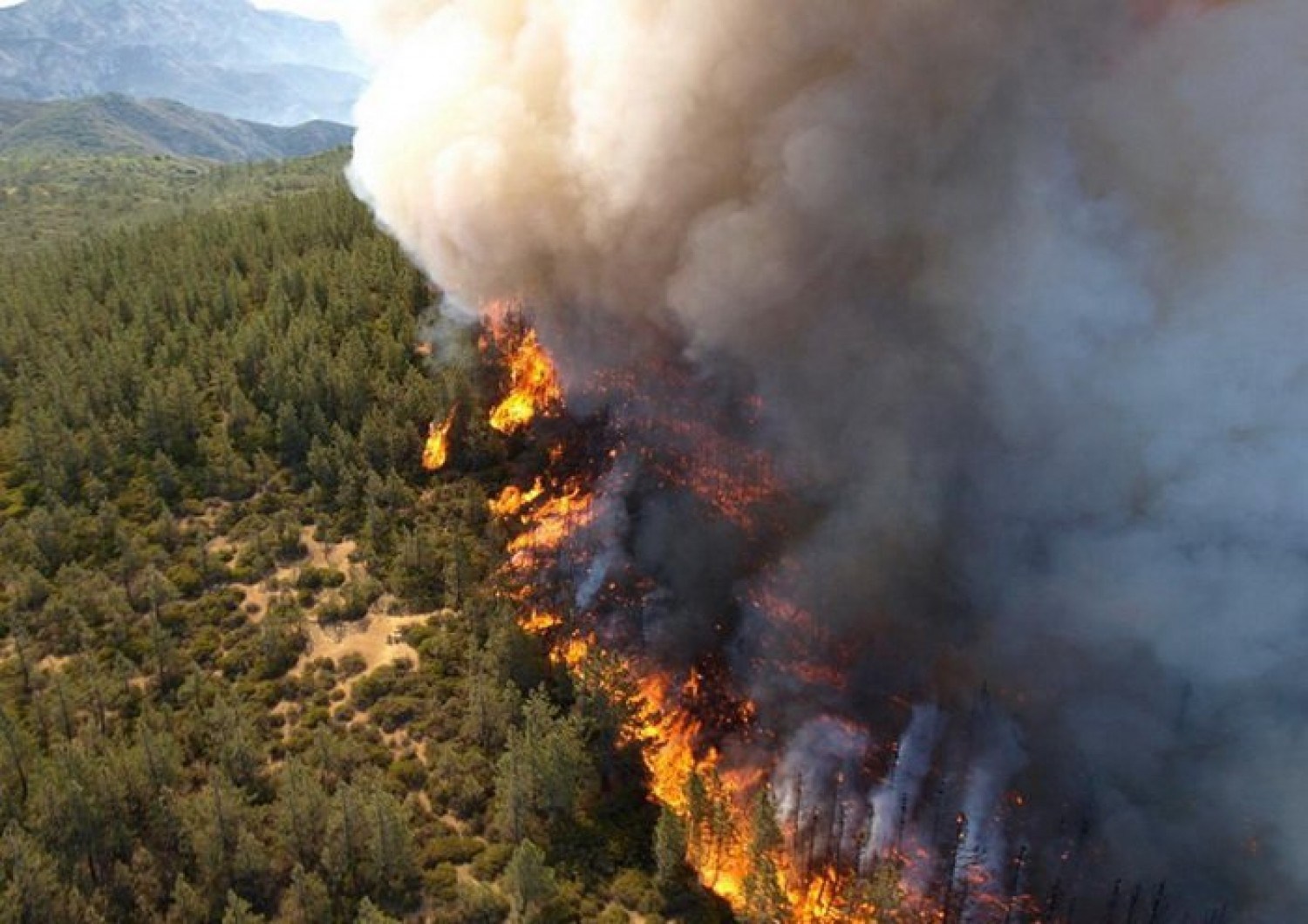
Those figures go in tandem with a summer of heat records in 2026. Successive heat domes have put tens of millions of Americans under heat alerts, and federal data show the contiguous United States recorded its second-hottest first half of any year in 2026. In Europe, French authorities attributed several thousand excess deaths to a June heatwave. Later, wildfires forced the evacuation of more than 325,000 people in France and Spain, among the worst blazes in France since the Second World War. Tunisia’s meteorological service recorded temperatures near 50 degrees Celsius, including a 49.7-degree reading in Kairouan that broke a regional record. Researchers at Istanbul Technical University reported that Türkiye is experiencing its most intense heatwaves in 75 years. In India, a recent study estimated that a single day of extreme heat corresponds with roughly 3,400 excess deaths nationwide. In Bangladesh, a 2025 World Bank report estimated that heat cost the economy 250 million lost workdays and US$1.78 billion in 2024. Moreover, a recent survey of Dhaka’s informal workers found nearly three-quarters said rising temperatures had eroded their health and incomes. Canadian fire agencies, meanwhile, recorded more active wildfires and a larger burned area than in either of the past two years.
Amnesty paired its criticism with a two-part demand. In the near term, it called on governments to protect people through adaptation and climate-resilient public services. These include early warning systems, safe housing, access to water, and heat protections. In the long term, it called for making polluters pay, defending climate science and civic space, and delivering a rapid, fully funded and equitable phase-out of fossil fuels. This call particularly affects US President Donald Trump’s administration. The Trump administration began a second US withdrawal from the Paris Agreement in January 2025, a move Amnesty warned set a disturbing precedent. In March 2025, Trump withdrew the US from the board of the UN climate loss-and-damage fund. The Trump administration did declare a national energy emergency on his first day in office. However, Trump also directed the Justice Department to challenge state climate laws, and moved to repeal the 2009 “endangerment finding” that underpins most federal climate regulation.

