
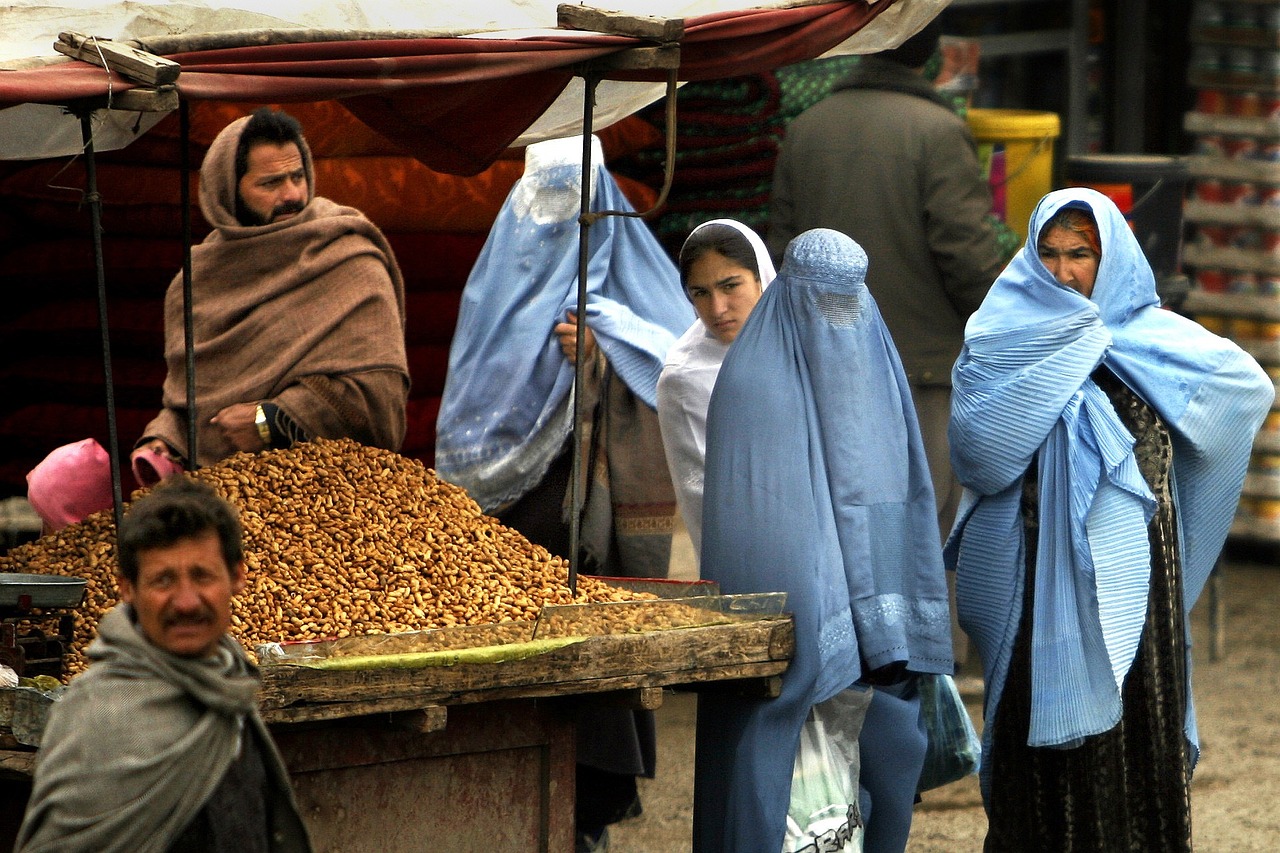
UN agencies warned on Monday that Afghanistan faces one of the world’s biggest displacement crises. This warning was based on a series of overlapping challenges identified in the country’s latest socioeconomic review by the UN Development Programme (UNDP).
UNDP chief, Alexander De Croo, said that “In Afghanistan, crises rarely happen one at a time.” In particular, the review found the country facing a fragile economy, four decades of war, millions of returnees, deepening effects of climate change, as well as a decline in women’s participation. Together, the UNDP says these concerns are “increasing pressure on livelihoods and services.”
Kanni Wignaraja, UN Assistant Secretary-General and UNDP Regional Director for Asia and the Pacific made similar statements to explain the situation, saying:
Taking stock of Afghanistan’s socioeconomic reality, this year’s report reveals a country under growing strain, with the high number of returnees and further economic and climatic setbacks intensifying in 2025, as pressures layer one upon another. This underscores why progress on basic human development remains central to stability in Afghanistan and across its borders, especially for the most vulnerable communities living in extremely fragile eco zones.
The UNDP found that 75 percent of Afghans, which is approximately 28 million people, are unable to meet their most basic needs. With millions of families returning, there is a significant lack in “basic needs such as water, food, healthcare, housing, heating, and clothing.” Further, more than 80 percent of Afghan households are in debt.
De Croo is currently on a joint visit to Afghanistan with High Commissioner Barham Salih, to speak with returnees and communities affected by devastating climate events. For example, in 2025, a powerful earthquake struck eastern Afghanistan, causing extensive loss of life, injury, and damage to infrastructure.
With regard to women and girls’ participation, the UNDP reports that nearly 100 decrees issued since 2021 remain in effect which place restrictions on women’s access to employment, education, and freedom of movement. These regulations “continue to shrink Afghanistan’s labour force and undermine the country’s economic potential.” UN rights experts also condemned the Taliban government last month for a variety of violations, such as detaining 30 women for alleged dress code violations and opening fire on protestors, which included women and children.
Despite the wide range of increasing needs identified by the UN reports, international assistance to Afghanistan declined by 16.5 percent in the last year. Stephen Rodriques, UNDP Resident Representative stressed the need for sustained support, stating:
Across Afghanistan, communities need more than short-term relief. They need a pathway to progress. Investing in jobs, services and local markets will help boost household economies and will be essential to give people a real chance to rebuild their lives and regain control over their future.
UN agencies have numerous ongoing projects to provide assistance to Afghanistan. This includes a Special Trust Fund to help address gaps in essential services and infrastructure, as well as promotion of human rights and women’s empowerment. Additionally, numerous agencies are focused on resettlement of refugees, which involves increasing opportunities for education and labour, and ensuring families are reunified.
