
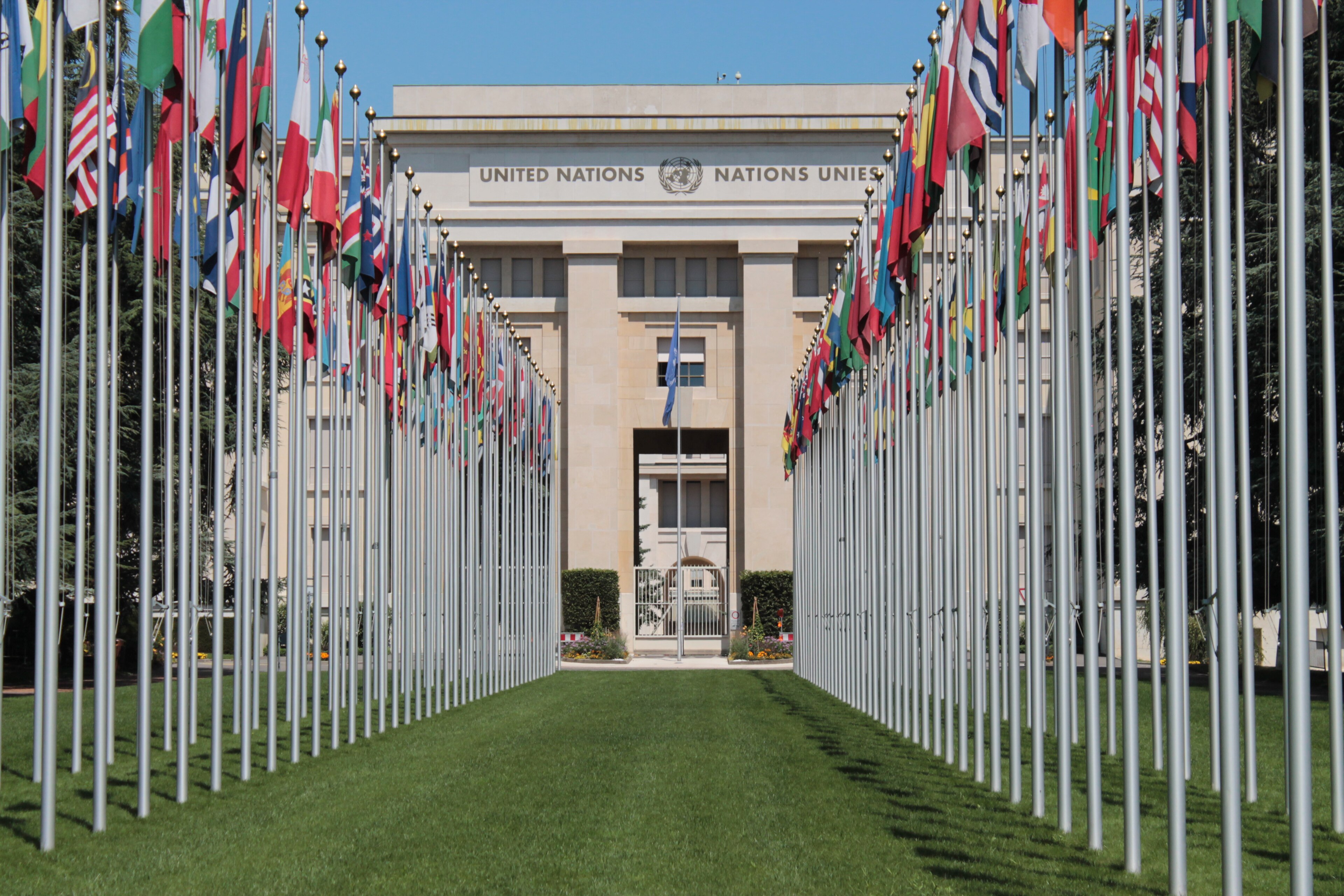
Human Rights Watch (HRW) on Monday reported that the United Nations is facing a severe funding crisis, largely because major contributors like the US and China, who together supply nearly half of all member-state dues, have either failed to pay or consistently paid late.
This has resulted in job cuts throughout the organization as well as budget reductions for human rights and humanitarian programs. This budgetary crisis comes despite efforts by the UN in June to temporarily put an end to a longstanding rule requiring the institution to issue refunds to member states for unspent monetary contributions, even if they were never paid.
Accompanying the HRW report is a document detailing the extent of the liquidity crisis the UN is facing and what it means for the future of human rights protections. The document shows that the UN is facing the most monetary loss through assessed contributions from member states- obligatory dues each state must pay based the size of their economy, national income, and other factors. As the world’s largest and second largest economies, the US and China are responsible for the bulk of the UN’s regular and peacekeeping budgets funded through assessed contributions.
The US, a country that has sharply criticized the effectiveness of the UN in recent years, has accrued billions in debt to the organization due to its refusal to pay dues. In February 2026, the US paid the UN about $160 million in overdue fees, citing the UN Secretary General’s fear of “imminent financial collapse.” However, this represents just a small drop in the nearly $4 billion the country owes. Reluctance to pay dues coincides with criticisms of the UN by US President Donald Trump, who has notoriously called the organization ineffective and perpetuated the narrative that their climate warnings are a “con job.” Throughout his second administration, Trump has pulled the US out of several UN trade, climate, and research agencies.
China, the second largest UN member state contributor, has paid their fair share of dues, albeit months after the yearly deadlines largely due to desired control over UN issues. The late payments come despite the country’s alleged desire to contribute financially to the organization.
The US and China are not the only member states not fully contributing their fair share of dues. As of July 13, 2026, the UN reported that only 120 states out of 193 have paid their budgetary contributions for the year in full, 65 of which came 30 or more days after the February deadline.
The funding crisis has resulted in budget slashes throughout the organization, including cuts to humanitarian aid and peacekeeping missions. UN High Commissioner for Human Rights Volker Türk indicated that his office has had to reduce the number of international human rights missions by more than half, from 11,000 in 2024 to 5,000 in 2025.
HRW reported that the UN has called upon compliant member states to take additional action to hold countries accountable for defaulting on dues payments, such as voiding leadership positions or canceling appointments for certain officials within the UN.

