
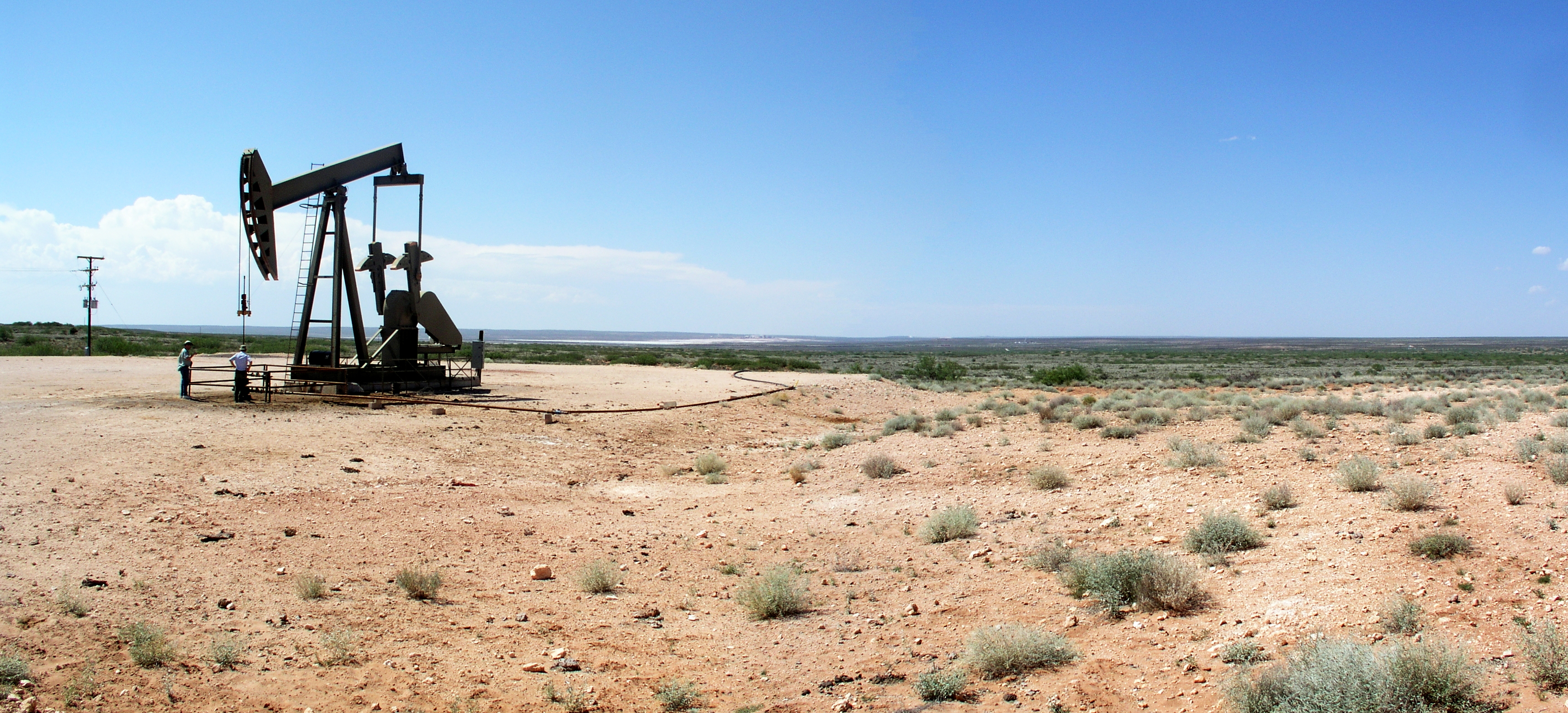
Human Rights Watch (HRW) on Monday reported that Perenco, the sole oil producer in the Democratic Republic of Congo (DRC), is actively participating in production tactics that pose grave health and environmental threats to communities in the area.
In commenting on the repercussions of this environmental failure, HRW Central Africa Director Lewis Mudge stated: “The Congolese government transparency on oil pollution levels to meet its obligations to uphold the right to health and to fully enforce its laws. The authorities should acknowledge the threat to people’s health in oil concession areas, immediately report on pollution levels, and act to reduce population exposure.”
Despite the environmental laws in place to prevent harmful pollution by companies, Perenco has continued to engage in environmentally harmful practices such as gas flaring and waste burning.
Oil and gas production in the DRC has caused severe health problems for residents such as respiratory illness, dizziness, and crop failure. Perenco has not prevented oil spills from wells and pipelines from leaking into soils and riverbeds, causing concentrations of heavy metals to appear in otherwise drinkable water and exacerbating the country’s severe water crisis.
Perenco has been operating in the DRC since 2000, with many facilities and extraction sites in or near residential areas. In response to probing by HRW, the company denied that its operations “cause air, soil and water pollution or detrimental acute health conditions”, stating that it has invested in pollution prevention and local health initiatives. Despite these claims, HRW has been investigating harmful practices going as far back as to 2013, occurring with little consequence for the company even though they may violate several facets of environmental law at the national and international level.
At the international level, the DRC is party to the International Covenant on Economic, Social, and Cultural Rights, which guarantees individuals the right to the highest attainable level of physical health by obligating the government to ensure the “prevention and reduction of the population’s exposure to… harmful chemicals or other detrimental environmental conditions.” The covenant is monitored through a UN expert committee, but largely relies on the country itself to take measures to prevent such pollution.
At the national level, the DRC is one of about 100 countries that expressly contains the right to a healthy environment within Article 53 of its constitution. Additionally, the DRC has enacted several specific laws and programs providing for environmental protections and safeguards, however, according to HRW, proper enforcement by the Congolese government has been lacking in these areas.
For example, the country’s 2011 Law on the Fundamental Principles of Environmental Protection prohibits the disposal of waste in locations where it may harm the environment or public health and safety. However, HRW obtained video footage of open-air oil waste burning at a Perenco facility approximately two kilometers, or 1.2 miles, south of a residential village.
In the report, HRW indicated that one glaring issue is the lack of regular monitoring of environmental conditions in the region. Moving forward, HRW has called upon the Congolese government to publish findings of their environmental audits of the company, stating that the right to health obligates governments to provide access to information concerning main health problems in the community.

