
 News
NewsHuman Rights Watch (HRW) issued a report Monday stating that Rohingya refugees in Bangladesh face deadly risks from the recent landslides that killed at least 17 and displaced over 3,000.
Meenakshi Ganguly, deputy Asia director at HRW, said the risks to the refugee camps are a result of government policies, stating:
Every monsoon is becoming increasingly deadly for Rohingya refugees in Bangladesh, with denuded hills sliding away under makeshift structures, as the funding to buttress the camps has dried up. These are not simply natural disasters, but a predictable outcome of policies that put refugees’ lives at risk.
In particular, Bangladeshi authorities have denied permission to build permanent housing in the camp areas. HRW interviewed a water, sanitation, and hygiene civil engineer who has worked on the emergency response. He stated, “Now, because of funding cuts, sustainable landslide-prevention work, especially brickwork, cannot be done properly, while the Bangladesh government refuses to allow permanent constructions in the camps.”
The refugee settlement area, known as Cox’s Bazar, has faced 286 weather-related incidents between July 4 and July 9 alone. This report comes from the Rohingya Coordination Platform, which focuses on refugee response. According to the platform, these incidents include 95 landslides which displaced 4,307 people, as well as destroying facilities and roads. The platform requests urgent assistance for crucial projects, including drainage, slope stabilization, and increased technical capacity for humanitarian aid during the monsoon season.
The main barrier to adequate humanitarian protection is funding. Following a large influx of refugees, a plan was put in place in 2025 to reconstruct a number of shelters to at least semi-permanent models. However, funding cuts have halted this plan and have made the refugee population even more vulnerable.
Ganguly urges the international community to invest in an “urgent and effective response.” He emphasized, “Concerned governments need to act instead of waiting for the next landslide to sweep away another Rohingya family.”
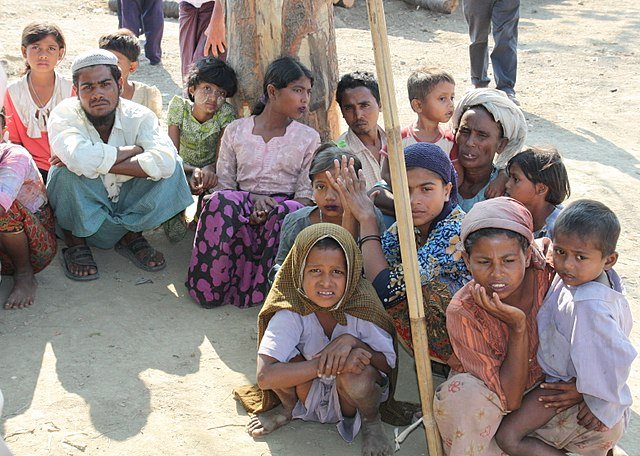
Over one million refugees from Myanmar have been residing in Bangladesh for almost a decade, living in bamboo and tarp shelters. The camps are set up on “steep, deforested hillsides that are highly vulnerable during the monsoon season.” The UN Human Rights Council (UNHCR) has released persistent warnings of significant death and injury in the refugee camps, as a result of numerous extreme weather events. These include cyclones, floods, and landslides.
The Rohingya Muslims are an ethnic group who have faced decades of persecution in Myanmar, including being violently displaced from their villages and completely stripped of their legal status. Those remaining in the country are forced to live in camps, while those who have fled have sought refuge in Bangladesh, Malaysia, Cambodia, Thailand and India. The harsh conditions in the camps in Rakhine State are extensively documented, marked by a lack of basic services, education, and high rates of malnutrition, waterborne illness, and child and maternal deaths. Their repression was legally enforced early on through the 1982 Citizenship Law, which enables discrimination and prevents certain minority groups, including the Rohingya, from obtaining citizenship.
The International Court of Justice began proceedings in January 2026 to investigate the persecution as an alleged genocide.
