
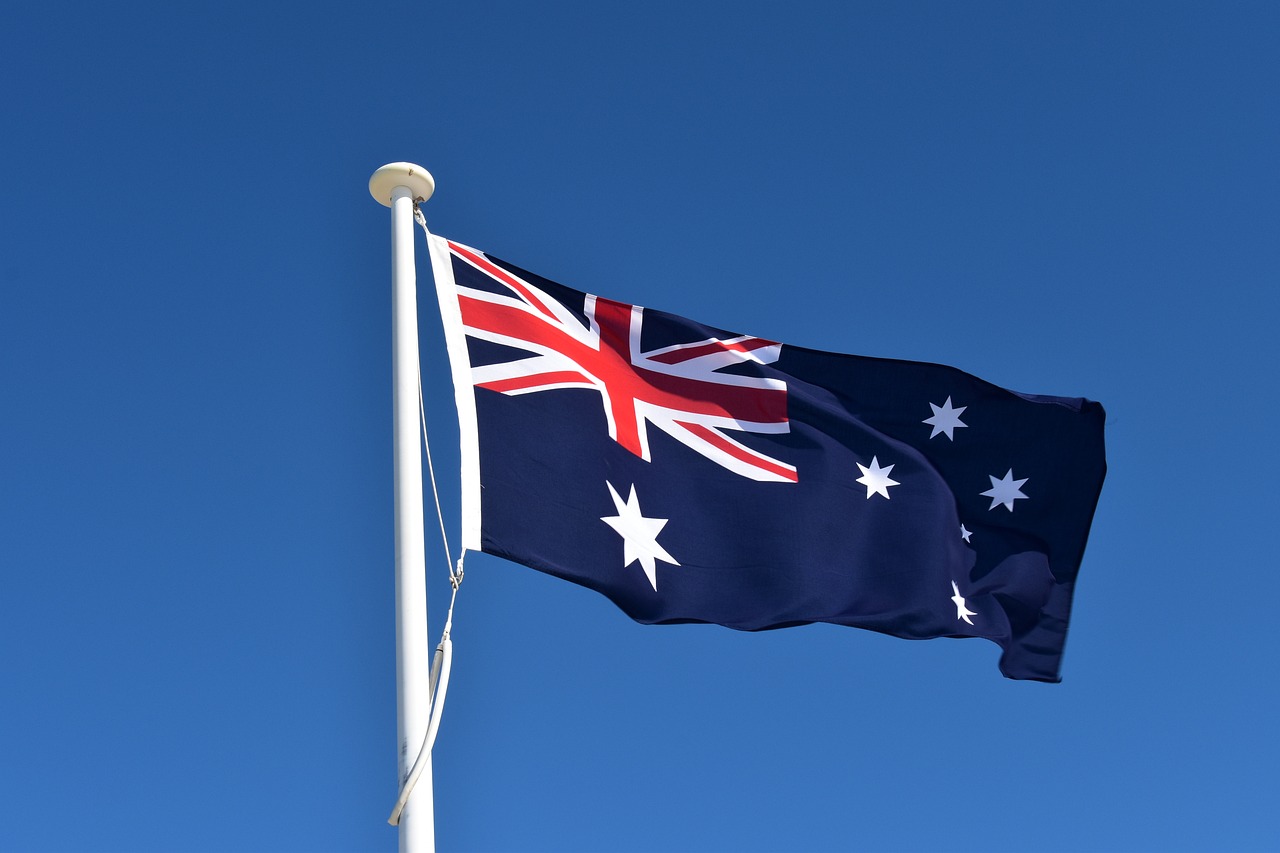
Australia has ignored its responsibility to implement UN-recommended changes to its human rights policies in areas such as the criminal justice system, indigenous rights and climate change, Human Rights Watch reported Monday.
The recommendations come from the country’s fourth Universal Periodic Review (UPR) by the UN Human Rights Council, a peer-based review of UN member states’ human rights policies that occurs every five years. In its written response to the January 2026 review, Australia indicated its acceptance of only 38 percent of the suggestions, down from their 51 percent acceptance of the 2021 UPR.
The UPR process assesses a country’s adherence to the UN Charter, Universal Declaration of Human Rights, human rights treaties ratified by the state, and applicable international law, and issues recommendations on how to better comply with obligations under these bodies of law. Ultimately, it is up to the state to accept and implement the recommendations. However, in cases of persistent non-cooperation, the UN may decide what additional measures can be taken to ensure cooperation.
UN member states have been pushing Australia’s government, under Prime Minister Anthony Albanese, to adopt better guidelines, but have been met with some resistance. Among the changes not accepted are the recommendations to raise the minimum age of incarceration, adopt a national human rights act, and implement greater climate protections.
In the report, HRW Australia researcher Annabel Hennessy stated:
Australia claims it takes human rights obligations seriously, yet ignored the majority of the recommendations resulting from the UN review process. For years, other countries have called on Australia to stop incarcerating children as young as 10, end the offshore detention of asylum seekers, and take real action on climate change, yet Australia still refuses to act.
According to Amnesty International’s 2025 report, indigenous people’s rights in Australia fall short of their targets. Indigenous children were 23 times more likely to be under youth justice supervision and 27 times more likely to be in detention. They make up only about six percent of the child population but 60 percent of individuals incarcerated in Australia, yet the Albanese government still has not raised their minimum age of criminal responsibility from 10 to 14, which is the UN recommendation.
Oftentimes, indigenous people face higher rates of imprisonment, poverty, and poor health due to the lingering effects of colonization and oppression. HRW indicated that in their response to the review, Australia said that it “must do more to address the overrepresentation of Aboriginal and Torres Strait Islander peoples in the criminal justice system,” but has not taken significant action.
In terms of climate protections, Australia’s efforts remained insignificant as of 2025. The government extended the country’s largest offshore gas project into 2070, and failed to meet the obligations set out in the Paris Agreement to help low-income countries combat climate change, address damage, and protect residents.
Australia accepted only three out of the 17 recommendations for greater climate action, none of which included those from Pacific states that are facing some of the biggest burdens of human-driven climate change. Despite this, the country maintains that it is playing a leading role in the future of global climate action in its role as president of negotiations for COP31, the UN’s annual climate conference, which will be held later this year.
Hennessy concluded the report with calling on the Albanese government to follow up its “hollow words” with concrete action ahead of the conference, rather than continuing to approve new fossil fuel projects.
