
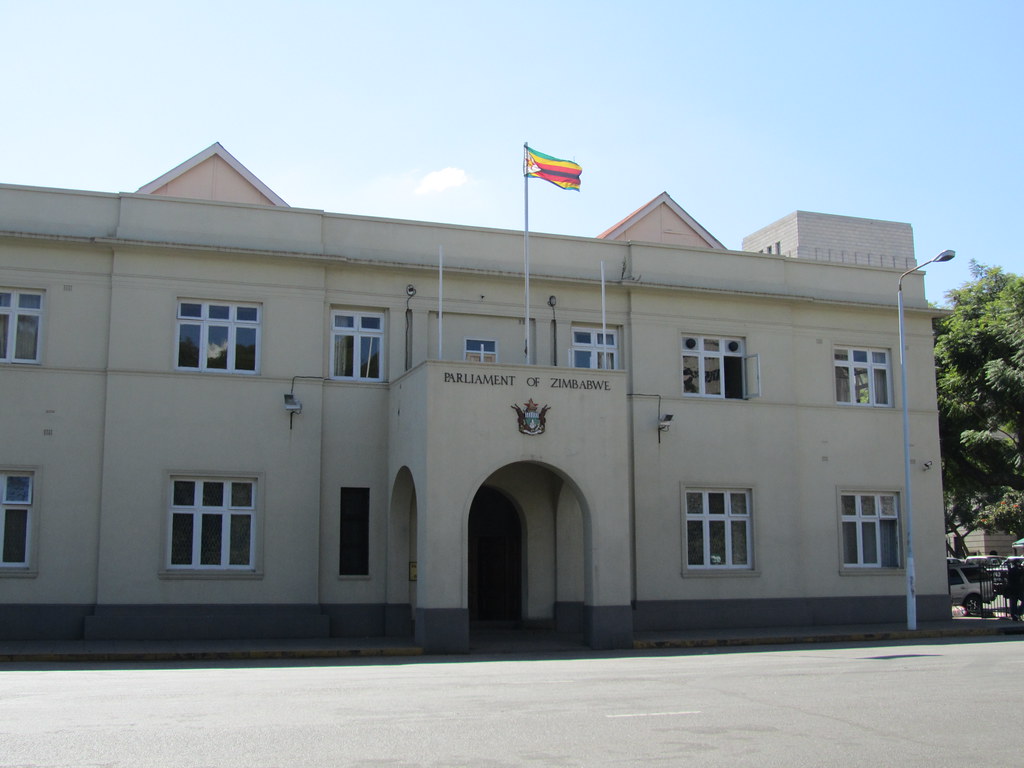
Members of the Zimbabwean Parliament (MPs) have passed a bill that would extend the presidential term from five to seven years, delaying the country’s 2028 election and allowing sitting President Emmerson Mnangagwa to remain in power until 2030.
Text of the bill also shifts the power to elect a president from a direct popular vote to selection by the MPs, a move that takes places the political choice in the hands of individuals feared to be detached from the wants and needs of ordinary citizens.
The controversial legislation, Constitution of Zimbabwe Amendment (No. 3) bill, or CAB3, passed through the lower house of Parliament with 216 votes in favor, clearing the two-thirds supermajority (187 votes) required to amend the constitution. Next, the bill is to go before the 80-member Senate, the smaller upper house of Parliament, before being signed into law by the president.
Lawmakers expect the bill to pass through the Senate smoothly, as it is controlled by Mnangagwa’s political party, the Zimbabwe African National Union-Patriotic Front (ZANU-PF). Once a liberation movement and now the governing political party, ZANU-PF maintains that its chief principles are to foster national peace and security through democratic values.
Dubbed “the Crocodile,” President Mnangagwa came to power in 2017 after a military-backed coup ousting then-president Robert Mugabe, who held power for 37 years following Zimbabwe’s independence from the United Kingdom in 1980. Mugabe’s presidency, also under the ZANU-PF party, was marked by political unrest and repression as well as violent and disputed elections.
Like those under Mugabe, Mnangagwa’s elections have been met with controversy, further entrenching the cycle of political unrest and repression. His presidency, which was set to end in its second and final term in 2028, has seen instability and accusations of human rights violations.
The passing of CAB3 follows a trend of power extensions by many nations in Africa, some of which have extended presidential term limits by decades, effectively making the incumbent leader permanent.

