
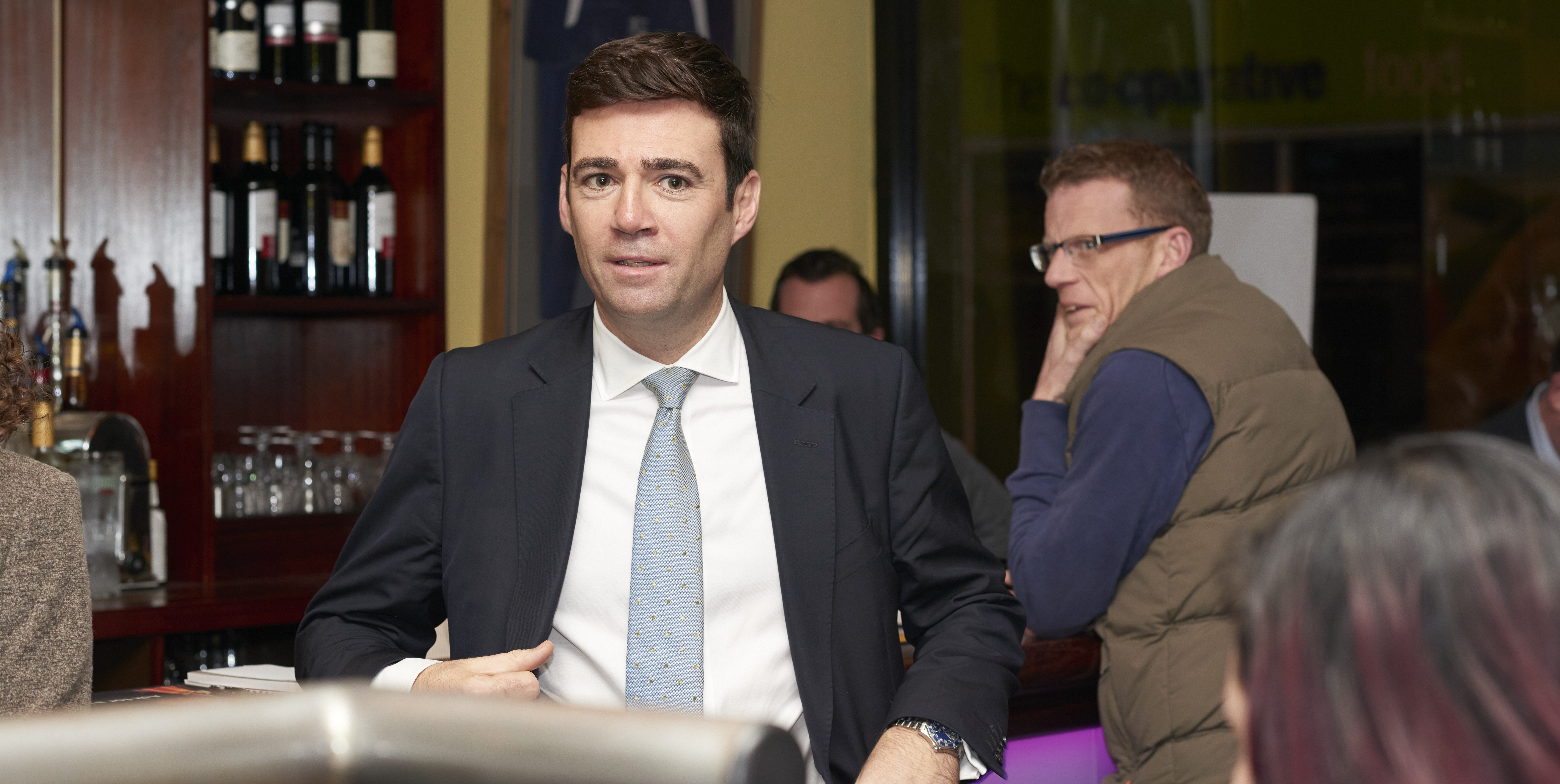
Keir Starmer announced his resignation as UK prime minister on Monday, setting in motion a leadership transition within the Labour Party and positioning newly sworn-in Prime Minister Andy Burnham as the leading contender to become the UK’s next head of government.
Starmer’s announcement brought an end to weeks of speculation surrounding his political future. Labour Party officials are expected to outline a leadership timetable in the coming days, with Burnham emerging as the clear favorite to succeed Starmer as the head of the party.
Burnham, who served as mayor of Greater Manchester, has long been considered one of Labour’s most influential figures. His prospects revolved around a significant boost after senior Labour politician Wes Streeting endorsed him as Starmer’s successor. Streeting’s support reflects growing confidence within the party that Burnham can unite Labour and lead the government through its next phase.
Although Burnham is widely expected to take over, the transition process remains ongoing. It has been reported that Starmer is expected to remain as caretaker PM until Labour formally selects a successor and the transfer of power is completed.
As Labour prepares for a leadership transition, attention has shifted to Burnham and the challenges that await him. If chosen, he will inherit a government facing economic pressure, public scrutiny, and growing expectations for political stability. The coming weeks are expected to shape not only the future direction of the Labour Party but also the direction of British politics for years to come, influencing policy priorities, party unity, and public confidence in government.

