
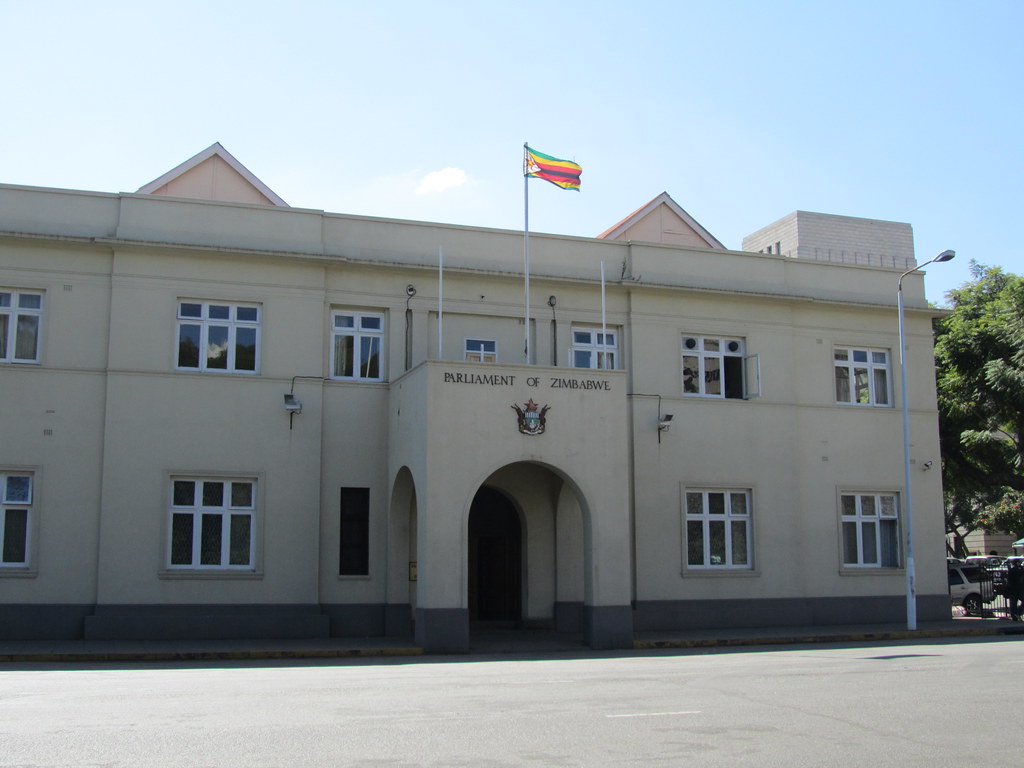
Zimbabwe authorities have intensified a crackdown on student leaders opposing a proposed constitutional amendment that would extend presidential and parliamentary terms, said Human Rights Watch, adding that the pattern of repression includes abductions, arrests and alleged ill-treatment targeting those tied to opposition activity.
The Constitution of Zimbabwe Amendment (No. 3) Bill, 2026 would extend political terms from five to seven years. It would also replace direct presidential elections with selection by Members of Parliament. The bill would transfer voter registration powers from the Zimbabwe Electoral Commission to the Registrar-General.
In response, student leaders affiliated with the Zimbabwe National Students Union (ZINASU) mobilized opposition during nationwide public consultations. ZINASU has described the amendment as a “constitutional coup” that weakens democracy and entrenches executive power.
Zimbabwe has a documented history of restricting dissent and suppressing critical voices. In August 2025, police arrested three Midlands State University students for distributing flyers opposing a constitutional amendment. They were charged with subverting a constitutional government, detained for 14 days, and later released on bail pending trial. In November 2025, Marlvin Madanda and Lindon Zanga were allegedly abducted while campaigning at Chinhoyi University of Technology. They were found the next day, reported assault, and were later charged with disorderly conduct. Their court appearance is set for April 23, 2026.
On March 30, 2026, ZINASU Secretary General Munashe Dongonda and student leader Denford Sithole attended a consultation in Nketa. Sithole spoke against the amendment. Witnesses say men in civilian clothing confronted them afterward. Dongonda reported being beaten, and Sithole was forced into a vehicle and taken away. The same day in Bindura, Tafara Magodora, a student leader at Bindura University, was allegedly abducted while organizing transport for students, later charged with assault, and released on bail.
On April 14, 2026, police arrested Emmanuel Sitima, former ZINASU president, and Takunda Mhuka on charges linked to anti-amendment materials, including “No to 2030” flyers. A court denied bail, and they remain in custody pending a hearing on April 24, 2026. On April 15, Zimbabwe Lawyers for Human Rights said student leaders were “under siege” following a raid on ZINASU offices, with some activists in hiding and others facing suspensions.
Human Rights Watch said Friday that it has documented at least seven incidents targeting student leaders during the reporting period. It says authorities engaged in harassment, abduction, and arbitrary detention of those opposing the amendment. The group says these actions violate protections under the International Covenant on Civil and Political Rights and the African Charter on Human and Peoples’ Rights.
“Students who speak out to safeguard their country’s democracy should not face abduction, arrest, and ill-treatment,” said Idriss Ali Nassah, a Senior Researcher in the Africa division.
Amnesty International has also warned that civic space has narrowed during the consultation process. Journalists covering the March 30 hearings in Harare reported obstruction and assault, including being forced to delete footage.

