
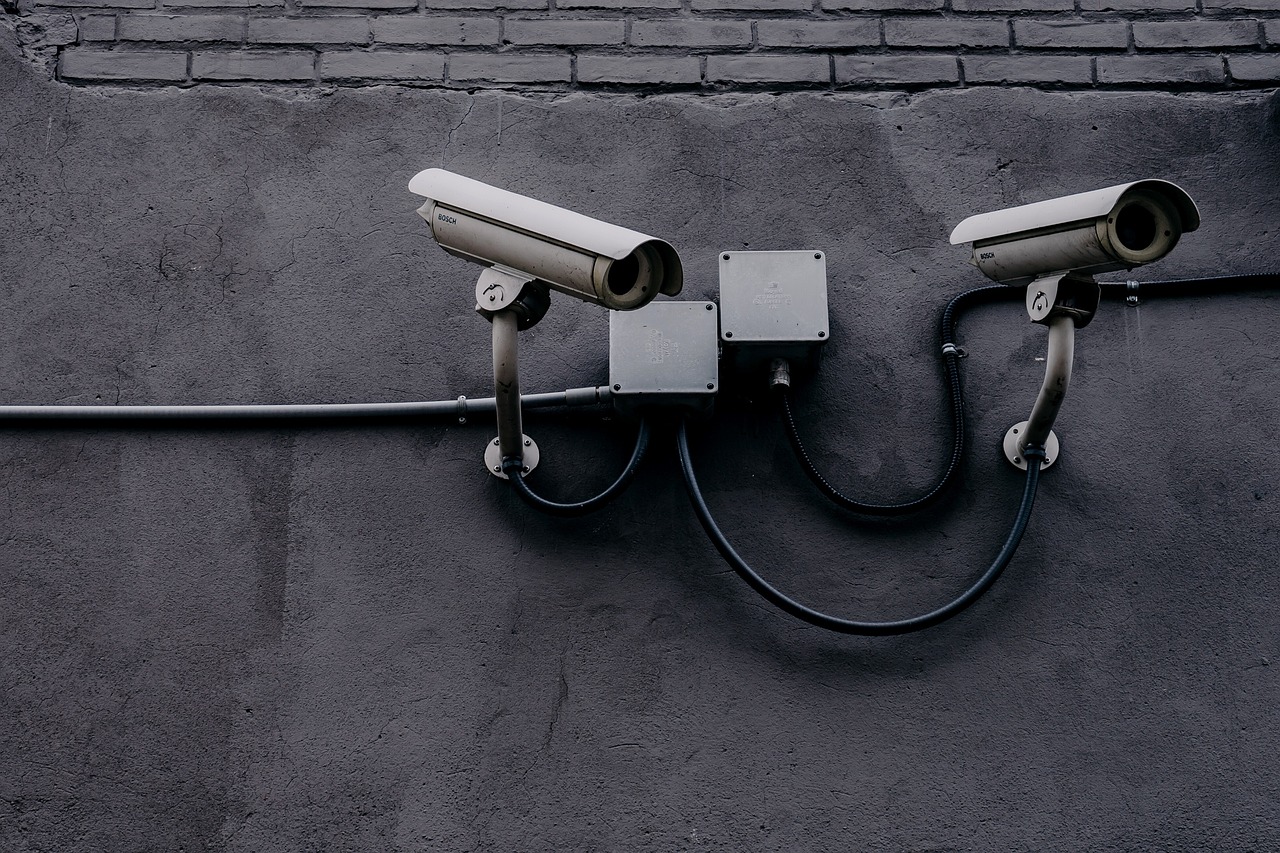
Several UN rights experts raised serious concerns on Monday in a joint statement over the increasing use of intrusive surveillance technologies globally and their normalization in everyday life, calling for the urgent strengthening of human rights safeguards ahead of the RightsCon summit on human rights in the digital age, to be held in Zambia from May 5-8, 2026.
The statement was blunt in its assertion that intrusive digital surveillance tools and techniques are irreconcilable with international human rights obligations
Digital surveillance tools and activities are often incompatible with international human rights obligations, foster an environment of fear, and exert profound chilling effects on the exercise of fundamental freedoms and civic space, and the right to express dissent. Collectively, these developments limit the ability to express dissent and impede inclusive democratic public participation.
Globally, arbitrary and pervasive digital surveillance has become increasingly normalised. This results in unnecessary and disproportionate interferences with human rights. An ever-greater number of people are indiscriminately brought under surveillance without reasonable suspicion, affecting populations and groups far beyond any justified targets of surveillance.
The report warned that the threat or suggestion of surveillance invading privacy does as much harm to the right to privacy and protecting fundamental human rights as actual surveillance, calling modern tools expansive and opaque. “It is increasingly hard to know when the [surveillance tools] are operating, under whose control and authorization, against whom, and why.”
The experts also warned that the emergence of AI complicates the protection of core human rights in the absence of adequate legal frameworks and poses serious human rights risks.
Misuse of AI can intensify unjustified surveillance, predictively profile populations, censor online expression, and propagate disinformation, and amplify biases. It enables authorities to target dissent, human rights defenders, and civil society, and stifle civil and political freedoms and privacy at a much larger scale and faster pace—all undermining democracy and the rule of law.
According to the experts, the chilling effects generated and amplified by intrusive digital surveillance methods “interfere with legitimate civic and political activism and the peaceful expression and mediation of disagreement and undermine free democratic participation.”
