
The UN Commission of Inquiry on Wednesday called for international accountability in the midst of the Iran war, which it says has led to an unprecedented increase in human rights violations against civilians residing in the Occupied Palestinian Territory.
Stressing the severity of the situation in the region, with the rising death tolls as a result of the air campaigns in residential areas and schools, the Commission highlighted that the conflict has shifted from a targeted military engagement into a full-scale humanitarian crisis. This escalation is most visible in cities such as Minab, where a single strike on the Shajareh Tayyebeh girls’ primary school resulted in over 168 fatalities, and in Tehran, where the bombing of the Gandhi hospital forced newborns in incubators to be evacuated.
The strategy of targeting ‘dual-use’ infrastructure, such as power plants and oil depots, has only increased the stakes, with life-sustaining services for nearly nine million individuals being disrupted. Furthermore, the lack of civil protection infrastructure, such as functional air raid sirens and accessible bomb shelters, has left over 3 million internally displaced civilians in a vulnerable state.
As Iranian retaliatory drone and missile strikes continue to claim more lives across Israel and the West Bank, with more than 1,600 deaths now reported in Iran since Operation Epic Fury and Operation Roaring Lion, the Israeli military mission faces escalating pressure amid the growing violence. The Commission also drew attention to the situation of Palestinian communities, which have no avenues for being notified of early warnings or protections. Israelis who were residing in towns located in proximity to military establishments, and civilians with no access to shelters, including in obscure Bedouin villages.
Furthermore, the Israeli Knesset’s decision to approve a bill legitimizing the death penalty as the sentence for those convicted of intentional murders categorized as acts of terrorism under Israeli law has added a new layer of legal and ethical tension, particularly as the measure applies exclusively to Palestinians. The ambiguous wording of the law, specifically the clause ‘negating the existence of the State of Israel’, has been criticized as being overly broad and excessively harsh in nature.
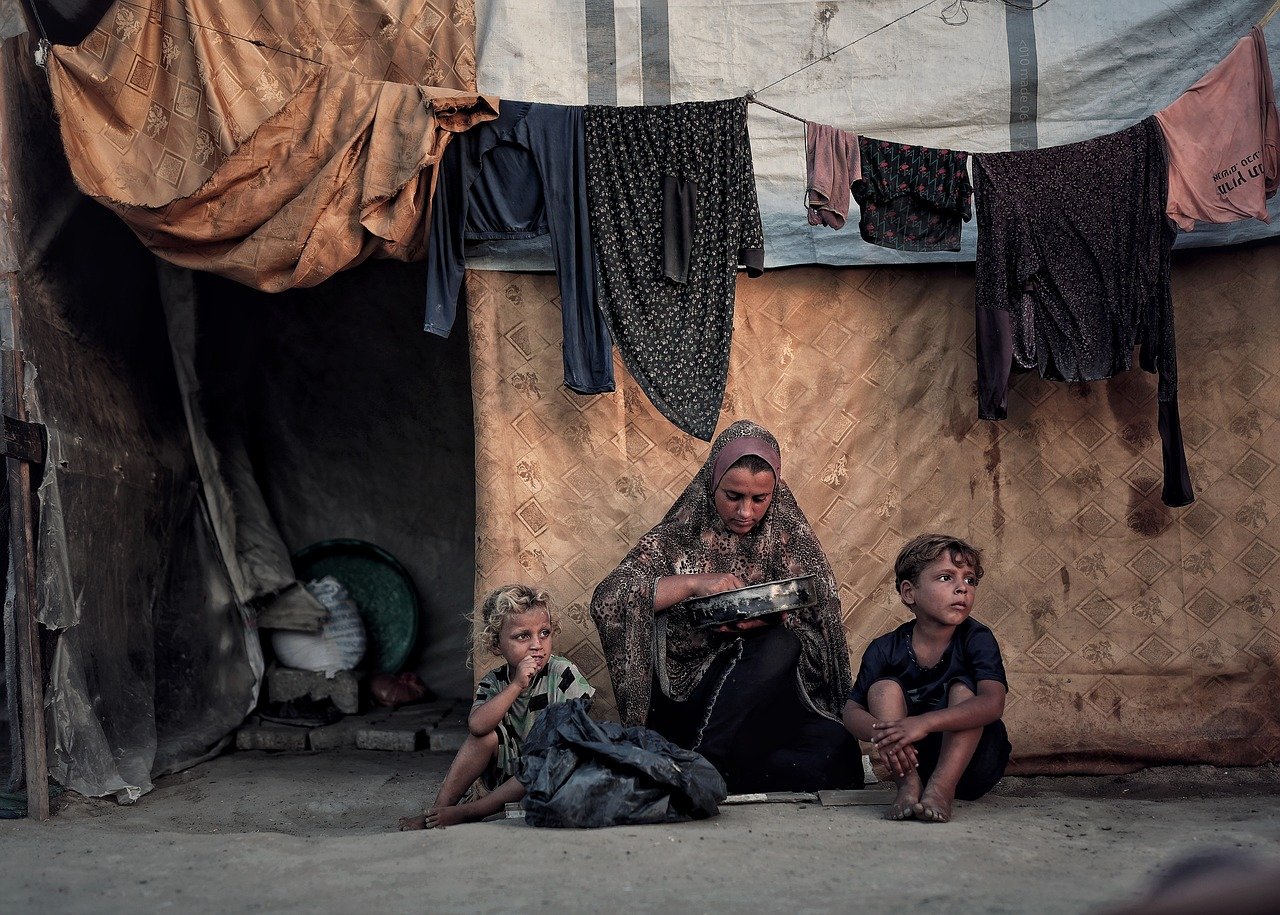
The evident deterioration in the wellbeing of Palestinians, since the October 2025 ceasefire has been exacerbated by the lack of medical care, food security, and adequate shelters, leading to the acute malnutrition rates among children under the age of two rising to 15.6%. The widespread usage of AI tools, designed to help armies make smarter and more efficient targeting decisions, has raised serious concerns, with critics warning that this erosion of human oversight increases the risk of catastrophic errors, including unintended civilian casualties and escalation driven by algorithmic miscalculations.
