
Human Rights Watch (HRW) Tuesday urged Russia to fulfill its obligations under international law and restore access to internet and communication networks in light of continuing censorship and protestor arrests.
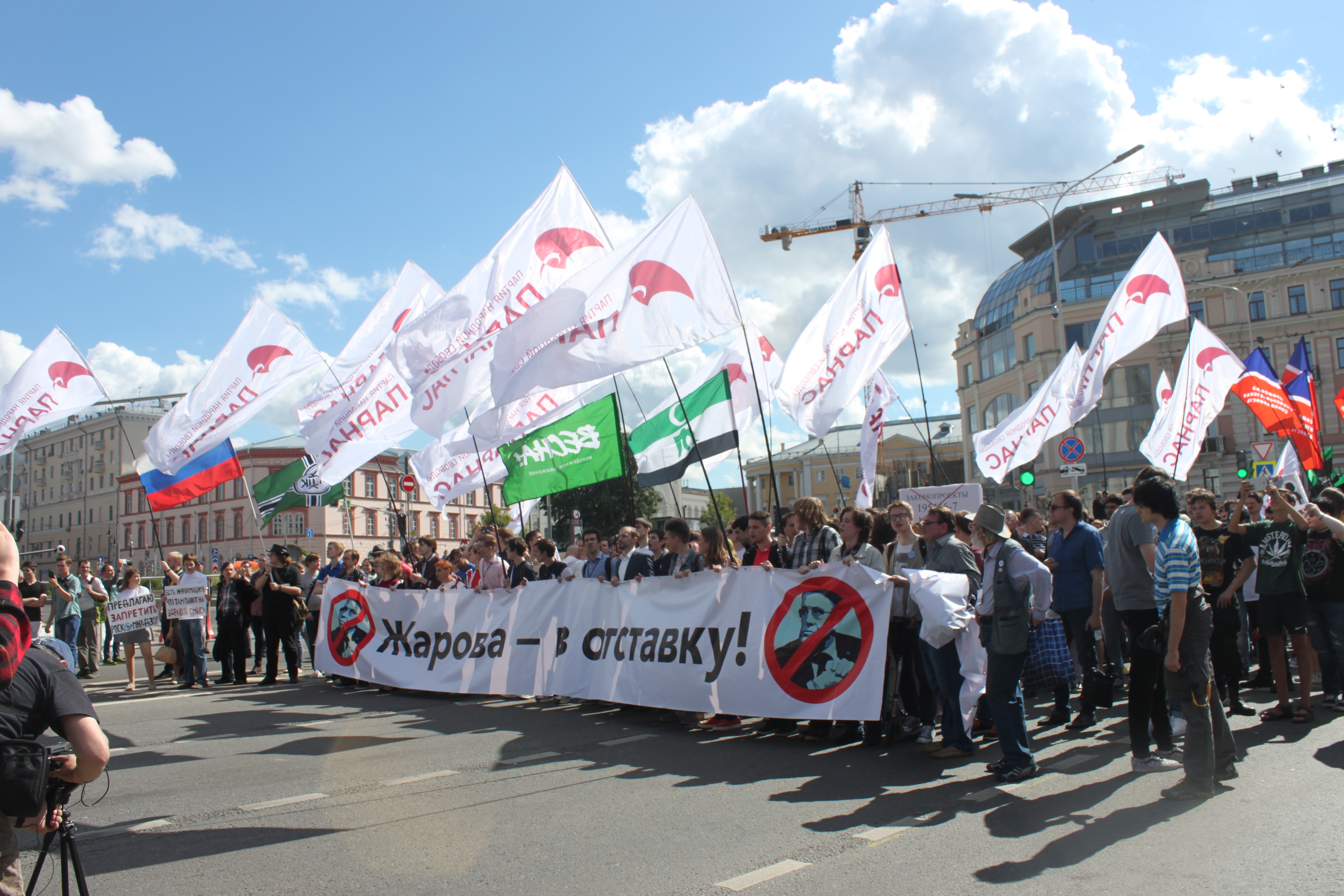
Russian authorities continue to impose broad mobile internet and cellular access shutdowns under apparently pretextual public safety justifications, with some of the closure orders lasting up to 12 months. The government has also cracked down on protests against the shutdowns, arresting at least 20 people on March 29. Authorities have reportedly beaten, threatened, and searched homes of organizers ahead of scheduled rallies, and protests have been banned in at least 40 cities across Russia.
Presidential spokesperson Dmitry Peskov recently commented on internet restrictions, claiming that they ensure the safety and security of Russian citizens. Some internet blocks coincided with Ukrainian air-raids and drone attacks, which have taken place sporadically since spring 2025. Some online resources, including state services, government agencies, Russian social media, banks, taxi services, food delivery, and other “whitelist” sites, remain accessible.
Internet restrictions are allowed under a new law, which was signed February 17 enacted in early March. Under the law, Russian Federal Security Service is delegated power to pause any communication channel if the president deems it necessary.
Russian restrictions mirror Chinese internet censorship, and no signs point to a change of course. On March 27, Member of the State Duma Nina Ostanina proposed limiting internet access to those who register using their passport information and banning social media for children under 14.
HRW Europe and Central Asia director Hugh Williamson claimed the internet shutdown and crackdowns on peaceful protest violated Russia’s obligation to respect freedom of expression, information access, and assembly under international law. These rights are protected under articles 18, 19, and 21 of the International Covenant on Civil and Political Rights (ICCPR), to which Russia is a party.
HRW said increased internet restrictions violate the right to interact with all media, codified in Article 19 (2) of the ICCPR, and urged Russian authorities to restore unrestricted access to internet and communication networks. The group also called on the international community, foreign governments, and technology companies to support renewed access.

_146.jpg)