
Nowadays, Perú faces uneasy parallels to the internal instability seen in the 1980s. While the ideological conflict of the past has been replaced by the cold logic of organized crime, the social atmosphere of dread caused by extortion and urban violence is strikingly similar.
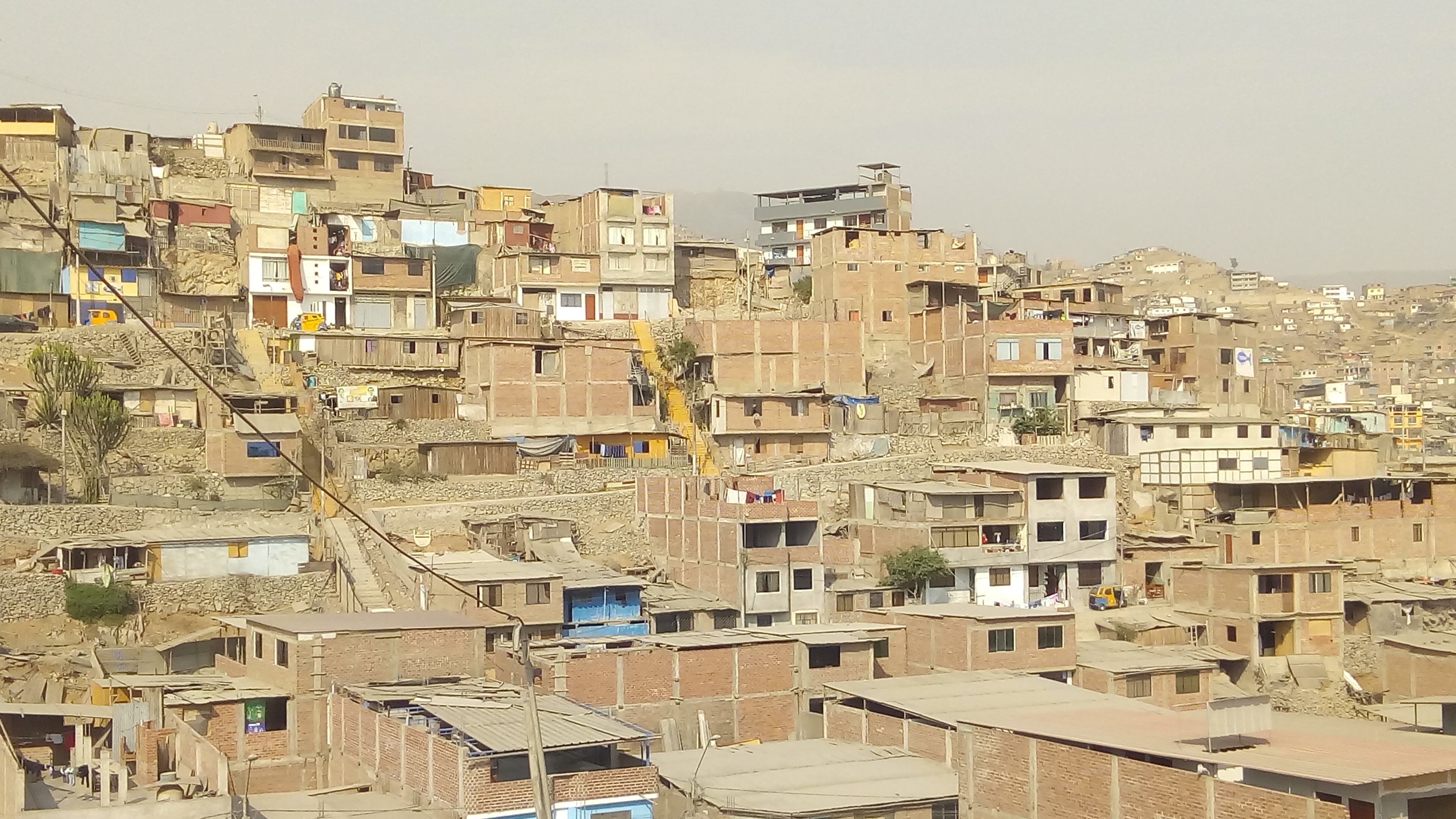
On March 23, a forensic report confirmed that Junior Wilfredo Huamaní Tapia was responsible for the March 17 triple homicide in San Juan de Miraflores, as reported by Radio Programas del Perú (RPP), a leading Peruvian news outlet. According to the report, the driver of a public transport line vehicle—called “Los Rojitos”—was shot to death, along with two passengers, apparently in retaliation for the business allegedly not paying the “fee” extortionists demanded in the San Juan de Miraflores district.
The crime was perpetuated by a man, dressed in a black hoodie and a gray jogger, who approached the vehicle walking toward the driver’s side. After the attack, the suspect fled, running down the street to get on a motorcycle where an accomplice was waiting for him. Later on, officers from the Peruvian National Police (PNP) and agents from the Criminal Investigation Department (Depincri) traveled to the crime scene to guard the vehicle and begin the preliminary procedures and the collection of evidence.
On March 20, the General Commander of the PNP, Óscar Arriola, reported that the main suspect in the triple homicide was apprehended inside a property in the same district, claiming that the accused matched all the physical characteristics shown by the surveillance cameras. Arriola also stated that Huamaní was under surveillance for about ten hours and had undergone forensic tests. The commander added that Huamaní was linked to two other hitman groups, and that two shotguns were found at the time of his apprehension.
The response of the press media was immediate alongside PNP interventions, and here comes the debate. Several things are at play here. First—while not defending nor denying the participation of the accused in the crime—the PNP is prioritizing a media victory over conducting a legitimate legal prosecution. They acted as judges, and, after releasing his alleged connections, they’re creating a culpability narrative, where social scrutiny pushes the system, mixing up operative efficacy to procedural legality.
Second, there is the analysis issue. Normally, this case would not have had a major impact on the Peruvian community if the police had managed to capture the suspect quietly and under the same circumstances. However, their failure to follow proper procedure—such as parading the suspect and violating due process—now risks creating a legal loophole that criminals could exploit to avoid conviction.
By parading the suspect before cameras and linking him to the crime based on “family profiles” and “physical similarities,” the PNP violated the presumption of innocence as a fundamental principle, disobeying the Constitutional Court (Case No. 02825-2017-PHC/TC) and its own internal directives. This malpractice is not the fault of inefficient judges or prosecutors, but a direct failing of the police institution. By prioritizing the display of punishment to appease a desperate population, the PNP handed the defense the necessary arguments for procedural nullity so that, tomorrow, a confessed criminal can walk free due to a procedural flaw that could have been avoided with constitutional rigor.
Here, it is common to see police arrests end in release within 48 hours when the Prosecutor’s Office or the Judiciary does not find a sufficient legal basis. However, in this case, the risk of impunity would not come from an external judicial error, but from a procedural self-inflicted injury.
While it’s understandable that the concern and means to arrest people are intended to preserve the state of law, true security cannot be built on the ruins of due process. If the State becomes a “lawbreaker” to catch a criminal, the criminal has already won by dismantling the very system that was supposed to judge them impartially. We cannot bypass the law just to get “results” in a country where the rule of law feels like a luxury we cannot afford to lose.

