
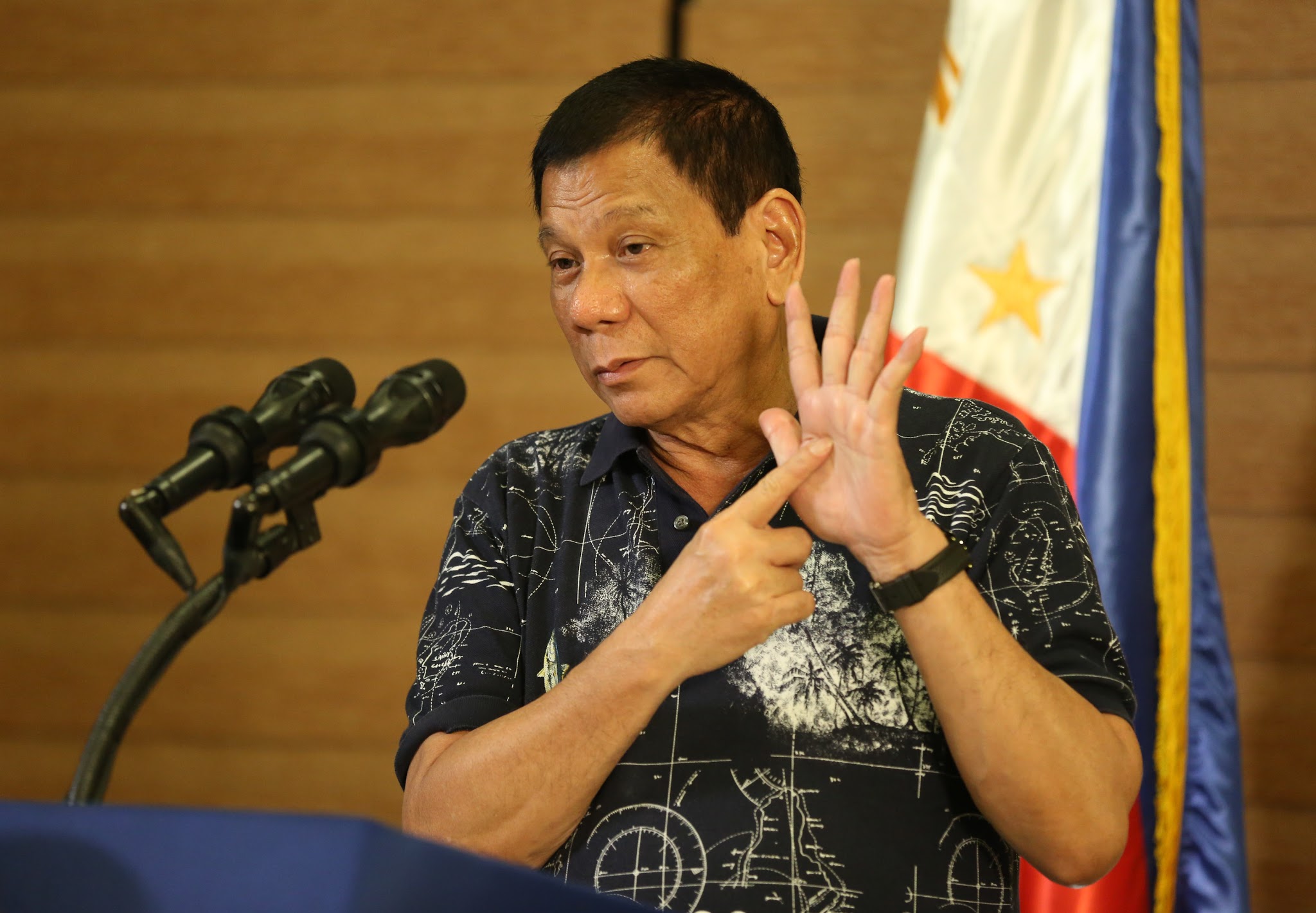
In a unanimous decision Thursday, Pre-Trial Chamber I of the International Criminal Court (ICC) confirmed all charges against Philippines ex-president Rodrigo Duterte, sending him to a formal trial.
The chamber based its decision on document submissions and evidence presented during confirmation hearings that took place in February, concluding that there are “substantial grounds” to believe that Duterte is guilty of murder, attempted murder, and crimes against humanity, as defined by Article 7(1)(a) of the Rome Statute.
The development immediately follows the ICC Appeals Chamber’s confirmation of jurisdiction over Duterte’s case. ICC prosecutors initially brought charges against Duterte in September 2025, alleging he facilitated thousands of murders while mayor of Davao City, and then president, between 2011 and 2019, as part of his controversial “war on drugs” campaign.
The case now moves to the trial phase, during which the ICC president will compose a Trial Chamber responsible for conducting the next phases of the proceeding. The chamber, composed of three judges that did not sit on the bench during the pre-trial hearings, will confer with the parties involved to set the commencement date, granting both sides sufficient time to prepare.
While neither the defense or prosecution is automatically entitled to appeal the confirmation of charges, they may request authorization from the Pre-Trial Chamber to do so.
Duterte, who waived is right to appear at the February confirmation hearings, will be required to attend his trial in person, pursuant to Article 63 of the Rome Statute. Additionally, ICC judges have authorized 539 victims to participate in the proceedings, many of whom may be present at the trial.
According to the Philippines Presidential Communications Office Undersecretary and Palace Press Office, Claire Castro, the trial is the ICC’s first full trial for any Asian head of state. Castro remarked that they respect the pre-trial ruling, noting that accountability and due process are essential to protect the rights of victims and the accused.

