
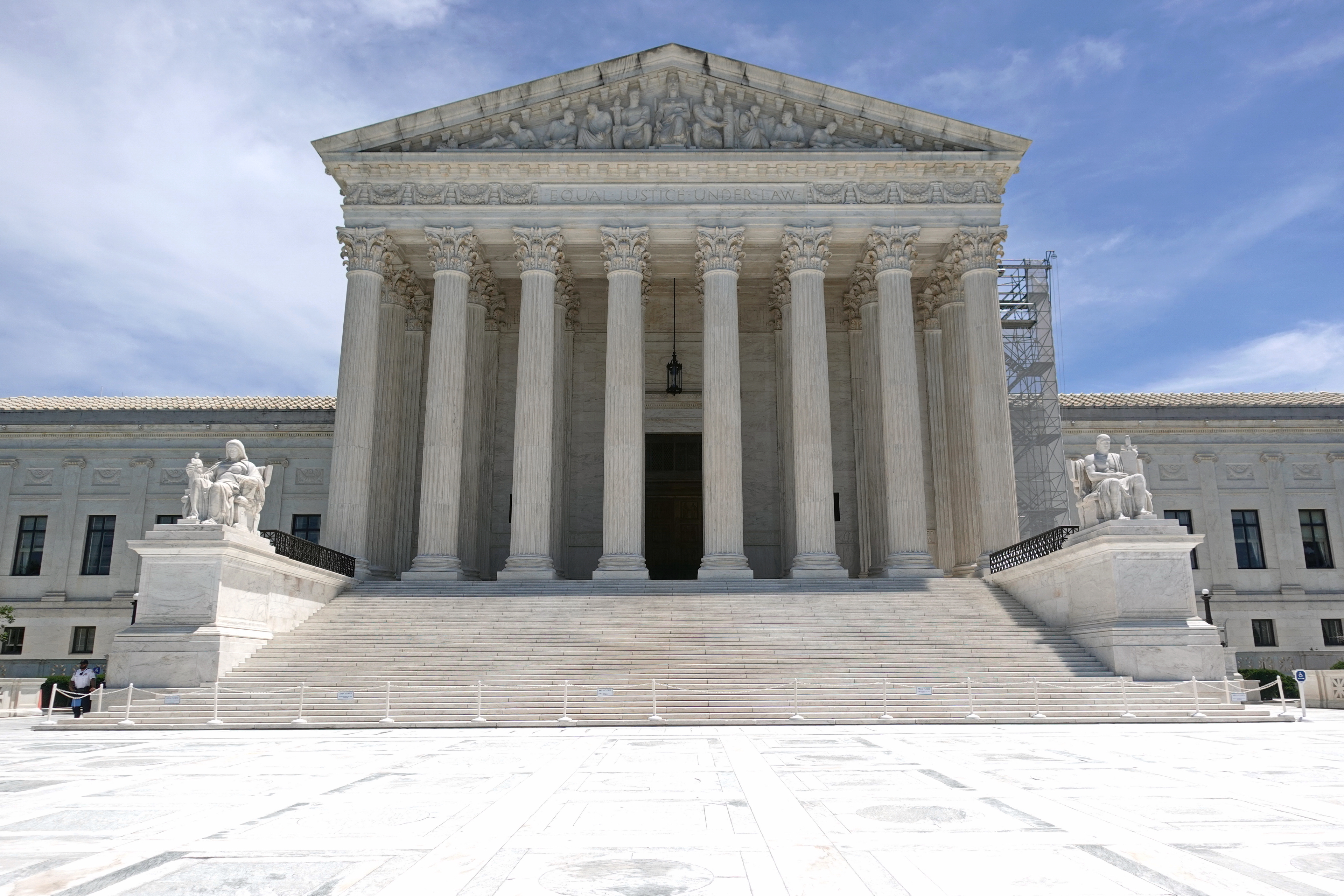
The US Supreme Court on Wednesday reversed a major case on appeal, finding Cox Communications not liable for refusing to terminate contracts with 57,000 customers after the customers were found to have infringed roughly 10,000 copyrighted works.
Sony Music Entertainment, along with other music labels, brought the lawsuit against Cox after discovering Cox customers were infringing copyrighted music. Sony claimed two theories of liability, the court explained:
Sony alleged that Cox contributed to its users’ infringement by continuing to provide Internet service to subscribers whose IP addresses Cox knew were associated with infringement…[and] Sony alleged that Cox was vicariously liable for its users’ infringement.
The court, in a unanimous decision, determined that Cox was not liable for the copyright infringement violations of its customers, stating:
The provider of a service is contributorily liable for a user’s infringement only if it intended that the provided service be used for infringement, which can be shown only if the party induced the infringement or the provided service is tailored to that infringement; Cox neither induced its users’ infringement nor provided a service tailored to infringement; accordingly, Cox is not contributorily liable for the infringement of Sony’s copyrights.
The jury in the original case in US District Court for the Eastern District of Virginia found for Sony under a theory of willful contributory infringement, awarding Sony and the other plaintiffs $1 billion in statutory damages. The case was then appealed to the US Court of Appeals for the Fourth Circuit, where that court erased the damages award by reversing the decision on one of the legal theories posed by plaintiffs.
The case has become a major talking point for not only the music industry, but also for First Amendment and civil rights groups that argue the ruling poses concerns for bookstores and other social media platforms as well.

