
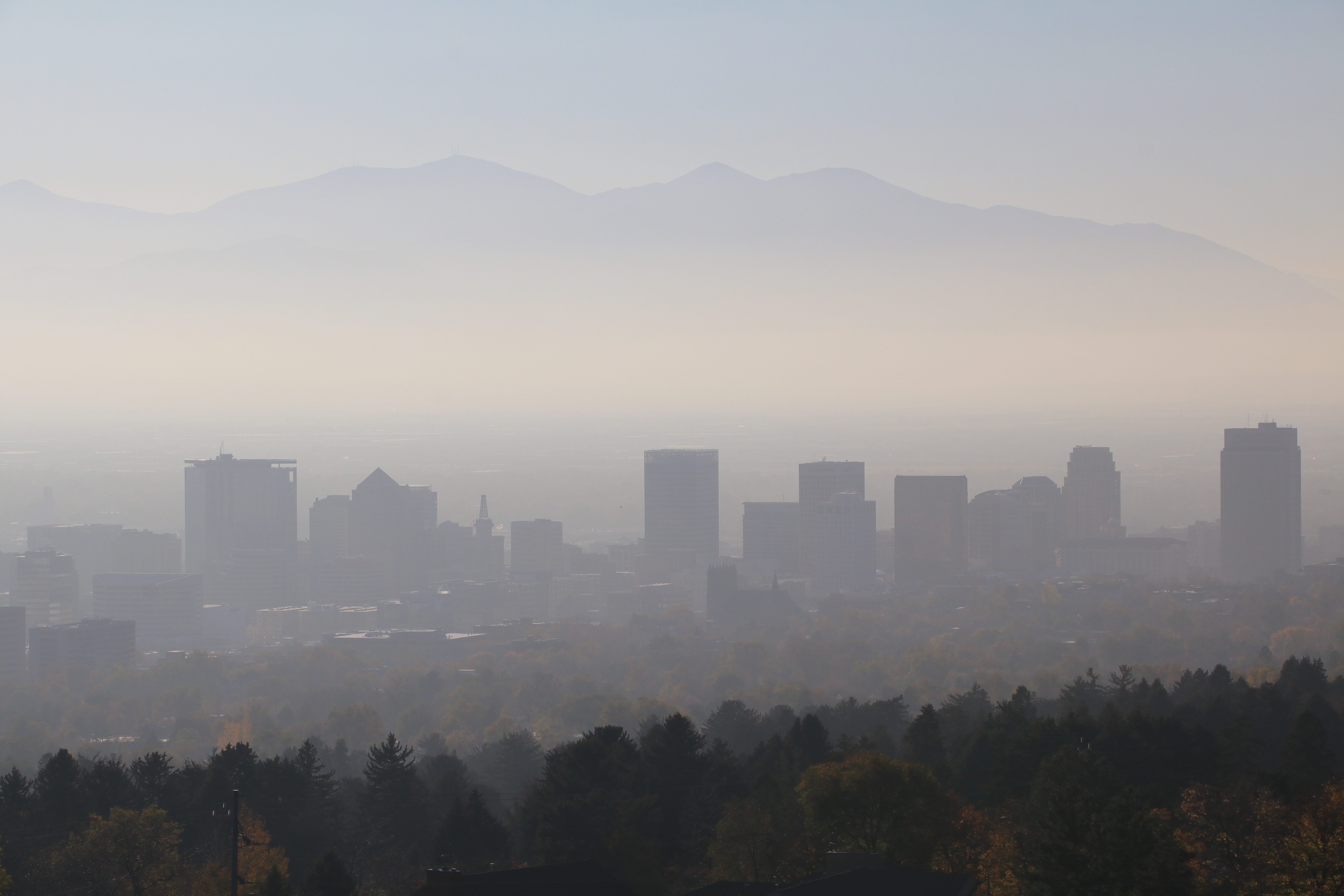
A United Nations expert warned Friday that air pollution is contributing to widespread human rights violations worldwide, calling on governments to take urgent action to reduce pollution and protect the right to a healthy environment.
In a report presented to the UN Human Rights Council, Special Rapporteur on the human right to a clean, healthy, and sustainable environment Astrid Puentes Riaño emphasized that breathing clean air is essential to public health and human dignity, and that existing pollution levels are undermining fundamental rights, including the rights to life, health, and a healthy environment.
The report outlines how air pollution is responsible for millions of premature deaths each year and disproportionately harms vulnerable populations, including children, older persons, and low-income communities. It stressed that governments already possess the knowledge and policy tools necessary to address the crisis—calling for stronger regulatory action and enforcement to reduce emissions from fossil fuels, industry, and transportation.
Notable examples in the report included Japan and Estonia, which have begun to include the impact on individual health in environmental assessments. In Ethiopia, returns on investments reducing air pollution had a seven-fold health return, highlighting that the environment may not need to be sacrificed in exchange for economic gain.
This growing recognition reflects a broader shift in international environmental governance, as institutions and advocates push for stronger accountability mechanisms linking environmental protection with human rights obligations. In 2022, the UN recognized the right to a clean, healthy environment as a legally enforceable human right. Many countries are signatories to the Paris Agreement. While many countries do not enforce it nationally, Brazil has gone above and beyond by treating it as a human rights treaty at the national level.
Despite this movement towards environmental governance, commitment to environmental rights has been shaky in 2026. Mozambique further illustrates the consequences of greenhouse gas emissions. The country has heavy foreign investment in its natural gas and oil industry while being one of the countries most sensitive to environmental disasters. The US Trump administration weakened environmental regulation by withdrawing from the Paris Agreement and the UN Framework Convention, along with rescinding rules to limit greenhouse gas emissions.
