
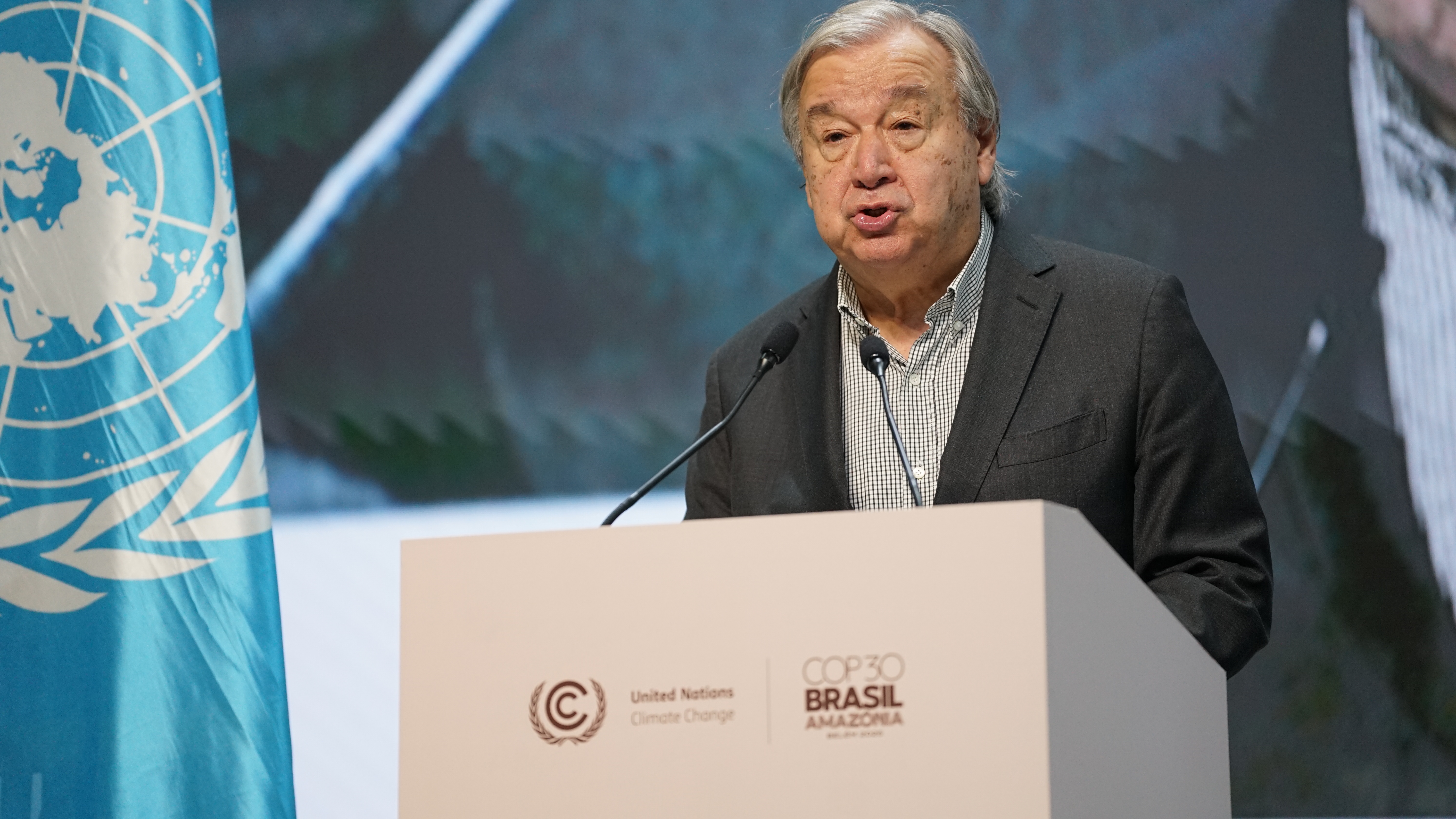
The UN secretary general on Wednesday called for the immediate release of 118 staff members currently detained around the world, warning that attacks and arbitrary arrests targeting UN personnel have increased at an alarming rate.
Secretary General António Guterres made the statement in recognition of International Day of Solidarity with Detained and Missing Staff Members, declaring that “no colleague is forgotten.” His calls were echoed by UN Human Rights Chief Volker Türk.
UN staff regularly operate in conflict-ridden environments, including Gaza, Yemen, Sudan, Afghanistan, Haiti, Ukraine and the Democratic Republic of the Congo. Last year alone, 179 UN staff members were arrested or detained–more than triple the number recorded a year prior.
In Yemen, about 73 UN staff remain detained by Houthi authorities, who have increased arrests of UN personnel, diplomatic staff and humanitarian workers. Militants captured many currently detained UN personnel in raids held January 23-25, 2025, after beginning detainment operations in May 2024.
During the raids Houthi forces apprehended 13 UN personnel and more than 50 staff members from Yemeni and international organizations. So far three of the detainees have been set free, with the rest held incommunicado. Authorities claimed arrested staffers comprised a “spy network,” and arrests became more frequent after major regional events, including Israel’s military campaign in Gaza and Israeli strikes in August 2025 that killed Houthi Prime Minister Ahmed Ghaleb Nasser al-Rahawi.
UN staff members who conduct official duties receive immunity protection that shields them from criminal charges in both their host nations and their home countries. The UN Charter Article 105(2) grants them privileges and immunities which are essential for conducting UN business.
The secretary general holds exclusive power to decide immunity matters according to UN Staff Regulation 1.1(f) while Convention on the Privileges and Immunities of the UN Article V Section 20 permits him to waive immunity only when UN interests remain protected and justice needs to proceed without obstruction.
International Court of Justice advisory opinions show that immunity protects all judicial activities which include arrest and detention and forced testimony from all UN personnel who work as officials, experts, volunteers or interns. The Vienna Convention Article 31(4) permits diplomats to face criminal charges in their home nations while UN immunity provides more extensive protection which remains intact except for exceptional circumstances.

