
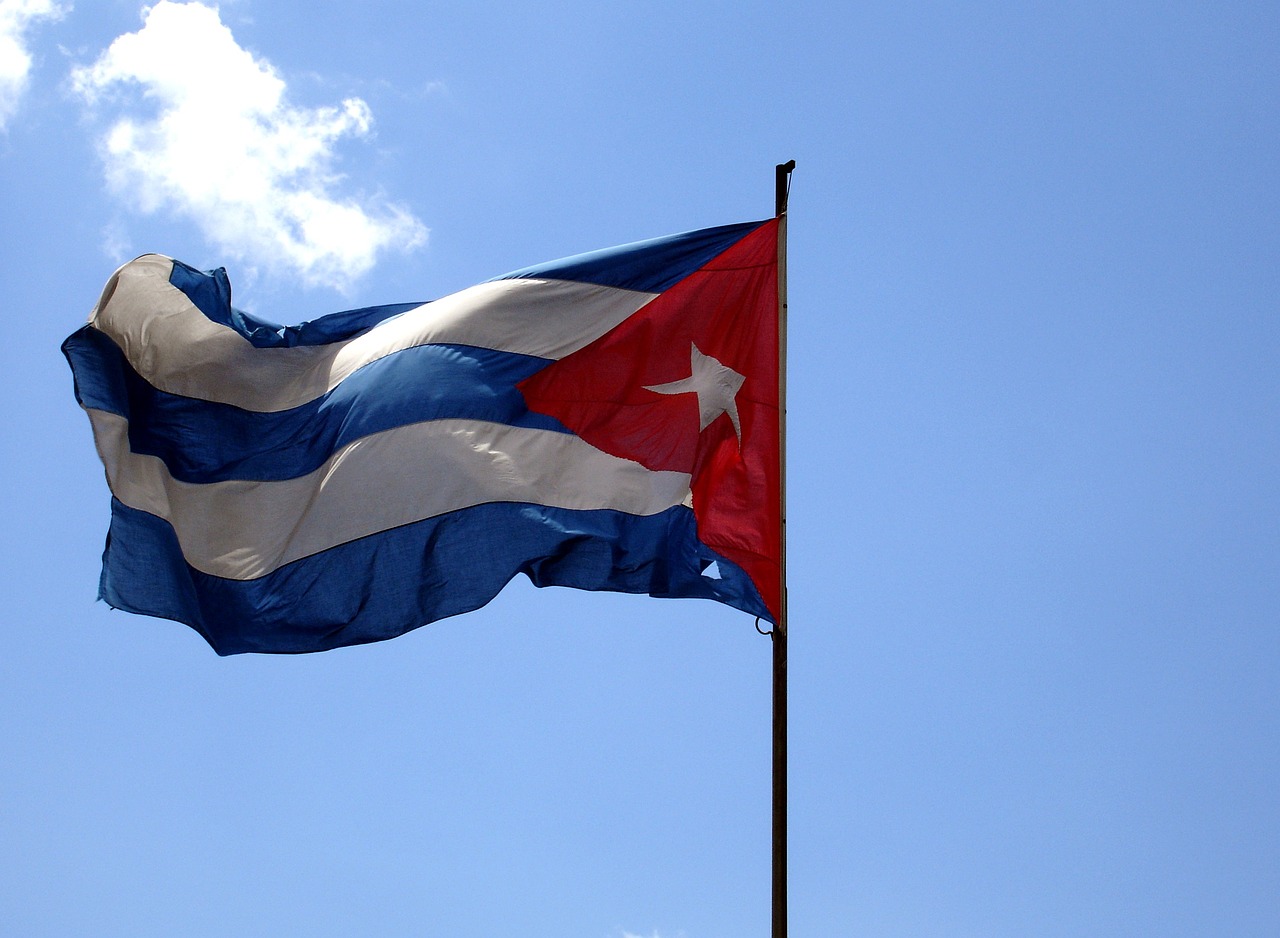
Over 650 delegates, from over 33 countries and 120 organizations, arrived in Cuba on Saturday, bringing 20 tons of aid. The Nuestra América Convoy, named for the famous essay by Cuban nationalist José Marti, arrived in Havana to break the US embargo.
Inspired by the Global Sumud Flotilla, which attempted to bring aid to Gaza in October 2025, the Nuestra América Convoy is an international humanitarian effort delivering aid to Cuba from land, air and sea.
Supplies aboard the convoy include food, medical supplies, and solar panel equipment to lessen the impact of the US oil blockade. While the support is welcome, 20 tons of aid is not sufficient to meet Cuba’s needs. The Nuestra América Convoy arrived just days before Cuba is expected to receive its first shipment of Russian oil.
Primarily organized by Progressive International, other groups involved include the People’s Health Movement, MediCuba, Global Health Partners, the International Association of Democratic Lawyers, the National Lawyers Guild, and the US Peace Council. Political parties across Latin America, including the governing Morena Party in Mexico, are participating in the global initiative. Members of the Neustra America Convoy include former British Labour leader Jeremy Corbyn, Irish musical group Kneecap, US labor leader Chris Smalls, Colombian Senator Clara López, and others.
The convoy aims to provide relief to Cuba following the intensification of sanctions imposed on the country earlier this year. On January 29, US President Donald Trump, through Executive Order 14380, imposed an oil blockade on Cuba, threatening sanctions against any country that directly or indirectly supplies oil to Cuba. The move by the Trump administration intensified the already existing sanctions against the island nation.
The “fuel blockade” has been condemned by UN experts as against international law. The experts stated that:
Cuba is already experiencing severe energy shortages, due to previous US sanctions, with blackouts lasting up to 20 hours in many areas, affecting refrigeration for food and medication, and contributing to public health crises. Interfering with fuel imports could lead to a severe humanitarian crisis with knock-on effects for essential services.
The US has imposed restrictive sanctions on Cuba since 1962, following the 1959 Cuban Revolution. The sanctions have included an embargo that restricts Cuba’s ability to trade, and to receive needed supplies like medicine and fuel. The majority of countries in the UN General assembly have voted virtually annually in favor of ending the US embargo.
The effect of US sanctions against Cuba are pervasive and stem from several different laws. In 2021, Cuba was added to the US’s state sponsors of terrorism list which limits Cuba’s access to loans from organizations like the World Bank and the International Monetary Fund. The designation also blocks the export of “dual-use items,” which have both military and civilian uses. The 1992 Cuban Democracy Act prohibits third-country enterprises affiliated with US corporations from selling goods to Cuba containing more than 10% US components. The Helms-Burton Act of 1996 allows lawsuits to be filed against third-country entities engaged in trade in Cuba, effectively expanding the US embargo to third countries.
