
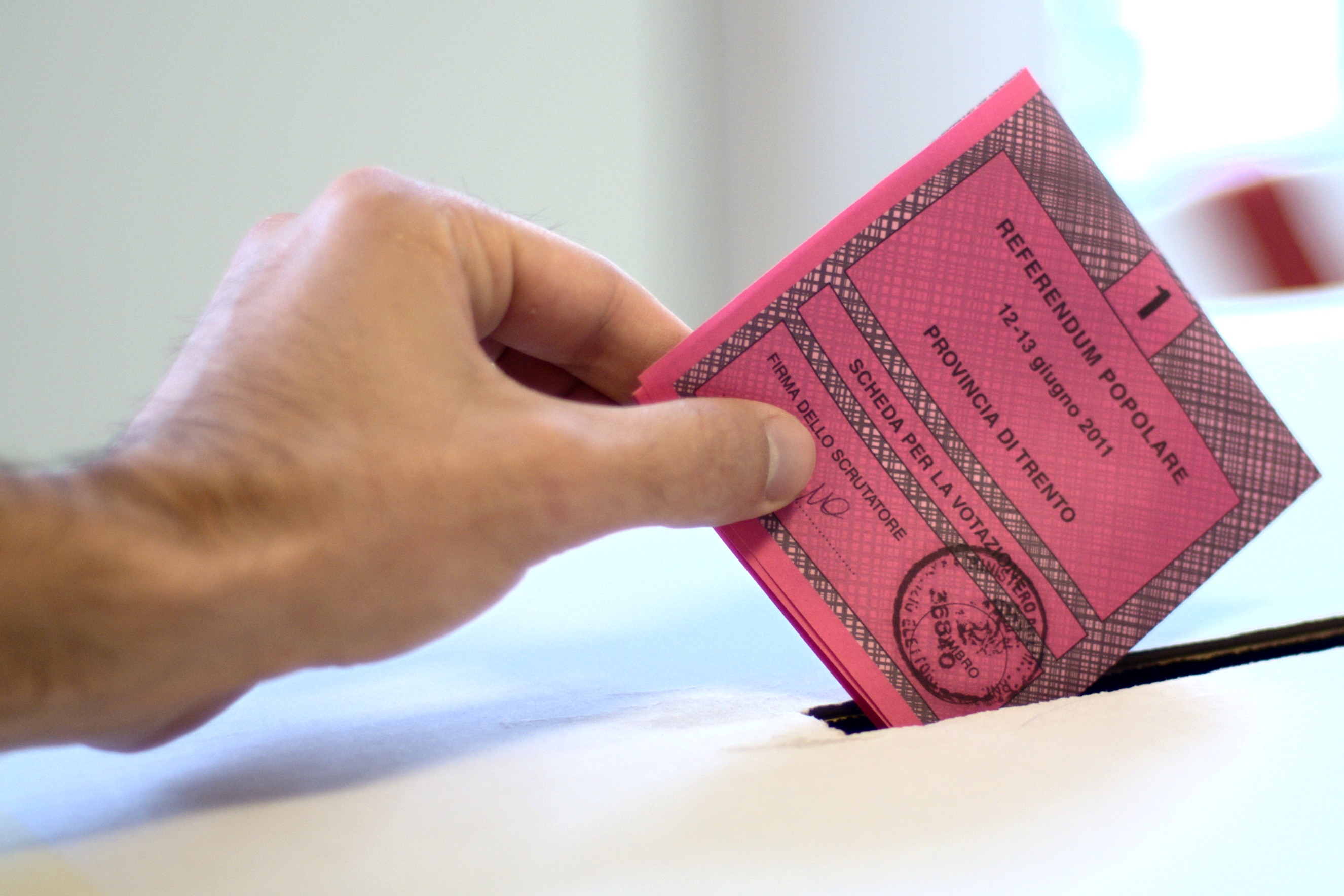
The highly anticipated Italian constitutional referendum was rejected on Monday, according to published results, with roughly 53 percent voting against and about 47 percent in favor.
The referendum, known as the “Justice Reform,” was called by presidential decree on January 13 and scheduled for March 22-23. It was governed by Article 138 of the Italian Constitution, which requires eligible voters to vote on constitutional amendments following legislative approval. The referendum centered on changes to the governance and discipline of judges and prosecutors, including separating their career paths and reshaping their oversight bodies.
The proposed amendment aimed to enhance the relationship between judges and prosecutors, as both have traditionally been part of the same professional order of magistrates. The change would have established clearer distinctions between the two roles. However, opponents argued that these measures could result in significant political pressure on jurists.
If the referendum had been accepted, the High Council of the Judiciary would have been split into two separate councils—one for judges and one for prosecutors. A significant aspect of this change is the method of selection for council members. Rather than being elected through competitive elections, many members would be chosen by sortition from eligible pools.
In October 2025, the UN special rapporteur on the independence of judges and lawyers, Margaret Satterthwaite, wrote a letter to the Italian government about the matter. “Upon the creation of separate councils for each function, utmost care must be taken to ensure that the new councils remain free of political influence and control by other branches of government,” she said.
The amendment would have also created a new High Disciplinary Court to take over the disciplinary adjudication of magistrates. The court would assume responsibility for determining whether members of the judiciary had violated professional or ethical standards and for imposing appropriate sanctions, ranging from warnings to removal from office.
After the final results were made public, Italian Prime Minister Giorgia Meloni wrote: “The Italians have decided. And we respect this decision. We will move forward, as we always have, with responsibility, determination, and respect for the Italian people and for Italy.”
The results of the referendum are widely seen as a signal of the country’s political climate, given the visible tensions between parts of the government and segments of the magistracy.

