
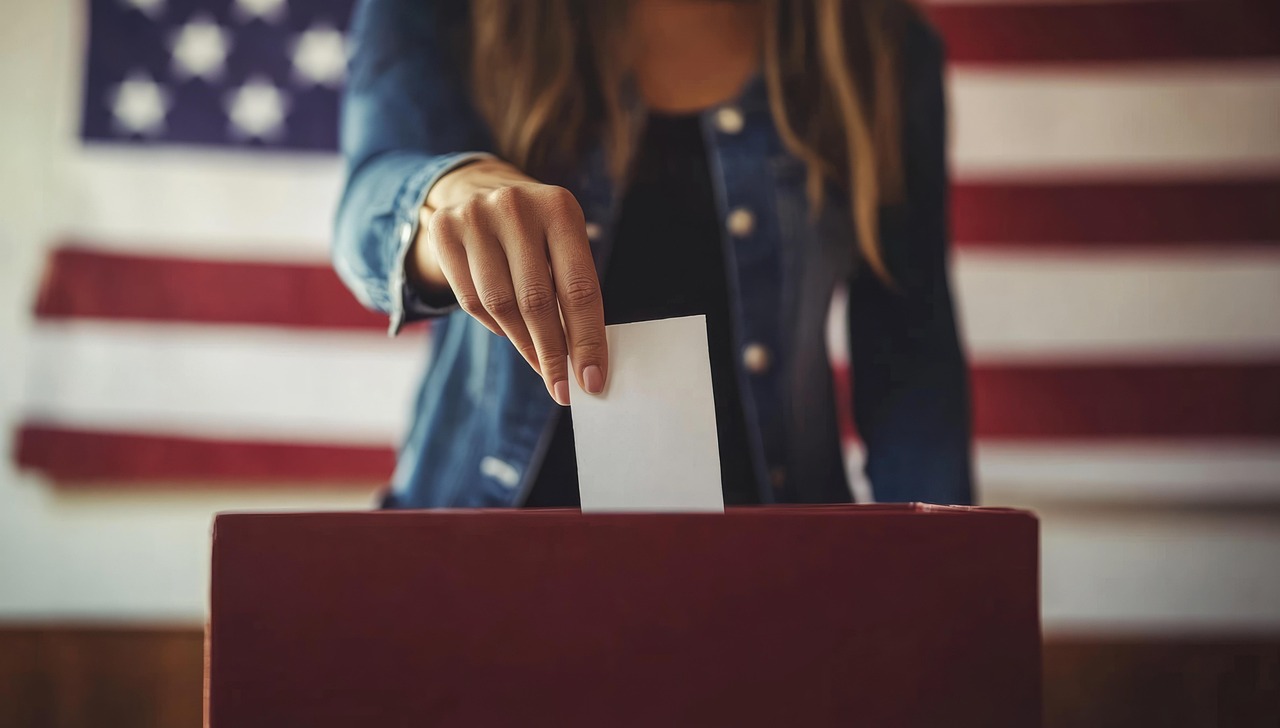
On February 11, the US House of Representatives passed the Safeguard American Voter Eligibility Act (SAVE Act) (H.R. 7296) in a 218-213 vote, marking the latest federal effort to impose stricter voter registration requirements. Sponsored by Representative Chip Roy, the SAVE Act would require prospective voters to show both proof of US citizenship and an official photo identification to register to vote in federal elections. While the bill passed with unanimous Republican Party support, it was met with nearly total opposition from the Democratic Party, with Representative Henry Cuellar serving as the lone Democrat to cross party lines.
The SAVE Act builds upon a previous version passed in 2024 but introduces more stringent requirements for voter roll maintenance. Specifically, the bill requires state officials to obtain proof of citizenship in person during registration, and mandates that each state use Department of Homeland Security (DHS) databases to remove non-citizens from existing rolls every 30 days. Proponents, including Speaker Mike Johnson, argue the measure is “common sense” to ensure election integrity, even though federal law already prohibits non-citizens from voting.
High-profile critics have argued the bill is a targeted effort to suppress the vote rather than secure it. Former President Barack Obama has voiced opposition, criticizing the bill as one designed to make it “harder for eligible citizens to cast their ballots.” During his 2024 Democracy Forum, Obama warned that current challenges to the “foundational principles of democracy” test our collective commitment to ensuring all citizens can “freely participate” in the governing process.
Senate Majority Leader Chuck Schumer expressed similar sentiments, denouncing the bill as “Jim Crow 2.0,” a reference to historical US laws that disenfranchised Black voters—arguing that it represents a “nasty, vicious attack” on American democracy because it targets historically marginalized communities. Joining the chorus of opposition, senior policy counsel Xavier Persad of the American Civil Liberties Union (ACLU) said the identification requirements were a “thinly veiled attempt to interfere with elections” that would eliminate online and third-party registration drives. Republican lawmakers have defended the legislation as a uniform verification measure designed to strengthen election integrity and restore public confidence in federal elections.
If the bill passes the Senate and becomes law, the registration process for millions of Americans would fundamentally change. Currently, most voters register by signing an affidavit under penalty of perjury. Under the SAVE Act, a standalone document like a valid US passport or a Naturalization Certificate would be required to register. However, for most Americans who do not have passports, the process would require multiple steps and documents. Standard driver’s licenses and REAL IDs—enhanced state-issued identification cards—are not enough to prove US citizenship, meaning voters using these would now need to present a secondary document, such as a certified birth certificate.
An estimated 69 million women have birth certificates showing names that do not match their current legal names due to marriage surname changes. These voters would likely need to provide a third document—such as a marriage license or court order—to link their identity to their citizenship proof. Because the SAVE Act requires prospective voters to present their documents to an in-person official, popular methods like online registration and mail-in forms would be functionally eliminated.
From a legal perspective, the SAVE Act raises constitutional questions under the Elections Clause (Art. I, § 4) which has traditionally conferred onto states the power to regulate the “Times, Places and Manner” of elections. By mandating immediate implementation just weeks before primary season, the SAVE Act risks nationalizing election procedures in a way that may exceed congressional authority and place an unfunded administrative burden on state officials. Furthermore, the threat of criminal penalties for election officials who register a voter without the correct documents—even if that voter is a citizen—could create a chilling effect on registration efforts during a critical election year.
The legislation will now move to the Senate, where Majority Leader John Thune has promised a floor vote, though it faces a likely Democratic filibuster—a procedural tactic that requires 60 votes to overcome. With primary elections beginning next month, legal observers are also watching for potential Department of Justice (DOJ) challenges. If the Senate passes the SAVE Act, the immediate effective date of the voter identification provisions could disrupt active mail-in balloting already underway in several states, potentially prompting emergency litigation over the sudden change in voter eligibility standards.
