
UN experts on Wednesday urged Israel to withdraw a bill proposing a mandatory death penalty for terrorist acts, warning it would violate the right to life and discriminate against Palestinians.
The urgent call was issued by a group of UN Special Rapporteurs and Independent Experts, who detailed how the proposed legislation would create a two-tier legal system. The bill would impose mandatory death sentences via military courts in the occupied West Bank for a broad range of acts, and via civilian courts in Israel and occupied East Jerusalem, but only for the killing of Israeli citizens or residents.
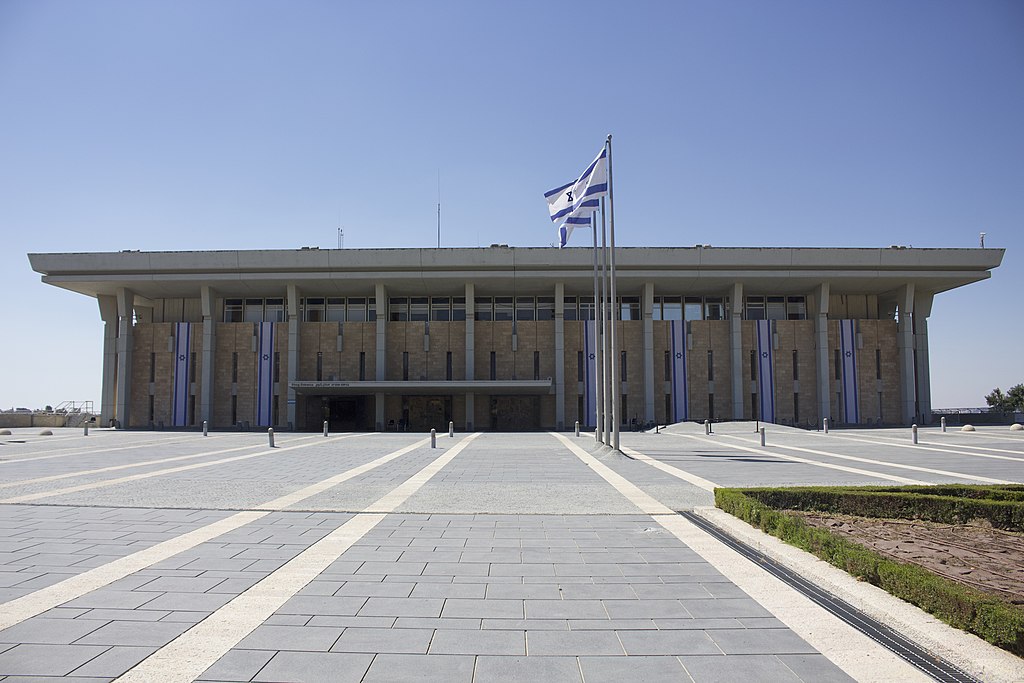
The Israeli government, in advancing the bill, is at odds with fundamental principles of international law, the letter stated. The Israeli Knesset is currently considering the law, which would significantly expand the scope of capital punishment, not used in Israel since 1962. The UN experts assert this move flagrantly contradicts Israel’s obligations under the International Covenant on Civil and Political Rights (ICCPR) and the norms of international humanitarian law governing occupation, citing the recent International Court of Justice advisory opinion, which found that Israel’s occupation violates international law.
The experts outlined a series of severe due process violations embedded in the bill’s design. They stated:
Mandatory death sentences are contrary to the right to life. By removing judicial and prosecutorial discretion, they prevent a court from considering the individual circumstances, including mitigating factors, and from imposing a proportionate sentence that fits the crime.
Consequently, the experts hold that the bill, if passed, would institutionalize violations of the non-derogable right to life and constitute a form of racial discrimination. They emphasized that the proposed two-track system and the application of military law almost exclusively to Palestinians align with findings of apartheid and racial segregation by international judicial and investigative bodies.
The experts’ intervention, while a stark and authoritative condemnation, is still a preventative diplomatic measure. It highlights the grave consequences of the proposed law but cannot itself halt the legislative process in the Knesset, which constitutes the immediate political arena where the bill’s fate will be decided. This follows the already strong condemnation of the bill by the UN High Commissioner for Human Rights, Volker Türk, at the beginning of this year.
Even with this direct UN appeal, the political momentum behind the bill in Israel remains strong. The bill was proposed in November 2025 and was approved by a majority of 39 Israeli Knesset members. The subsequent developments, including the parliamentary vote, the potential for international diplomatic repercussions, and the law’s application if enacted, remain to be seen.

