
 News
NewsUN Secretary-General António Guterres on Tuesday reiterated that “the occupation must end,” warning that recent Israeli settlement plans and mounting restrictions on humanitarian organizations threaten the possibility of a two-state solution and exacerbate the humanitarian crisis in the Occupied Palestinian Territory.
Speaking at the 2026 Opening Session of the Committee on the Exercise of the Inalienable Rights of the Palestinian People, Guterres highlighted Israel’s publication of a tender for 3,401 housing units in the E1 area of the West Bank. If implemented, he said, the project would sever the northern and southern West Bank, undermine territorial contiguity, and cause “a severe blow” to prospects for a Palestinian state.
Committee Chair Coly Seck also said the adoption of the New York Declaration and renewed efforts toward a two-state solution marked a historic turning point, stressing that the committee’s work reflects decades of injustice and must lead to tangible results.
The committee further highlighted the harm caused by Israel’s deregistration of international NGOs. In early January, Israel revoked the licenses of 37 international NGOs, citing their non-compliance with Israel’s new registration rules. Organizations without renewed registration have been denied staff rotations into and out of Gaza, resulting in interrupted relief programs and disrupted supply chains. Humanitarian organizations also raised concerns over Israeli restrictions affecting aid delivery.
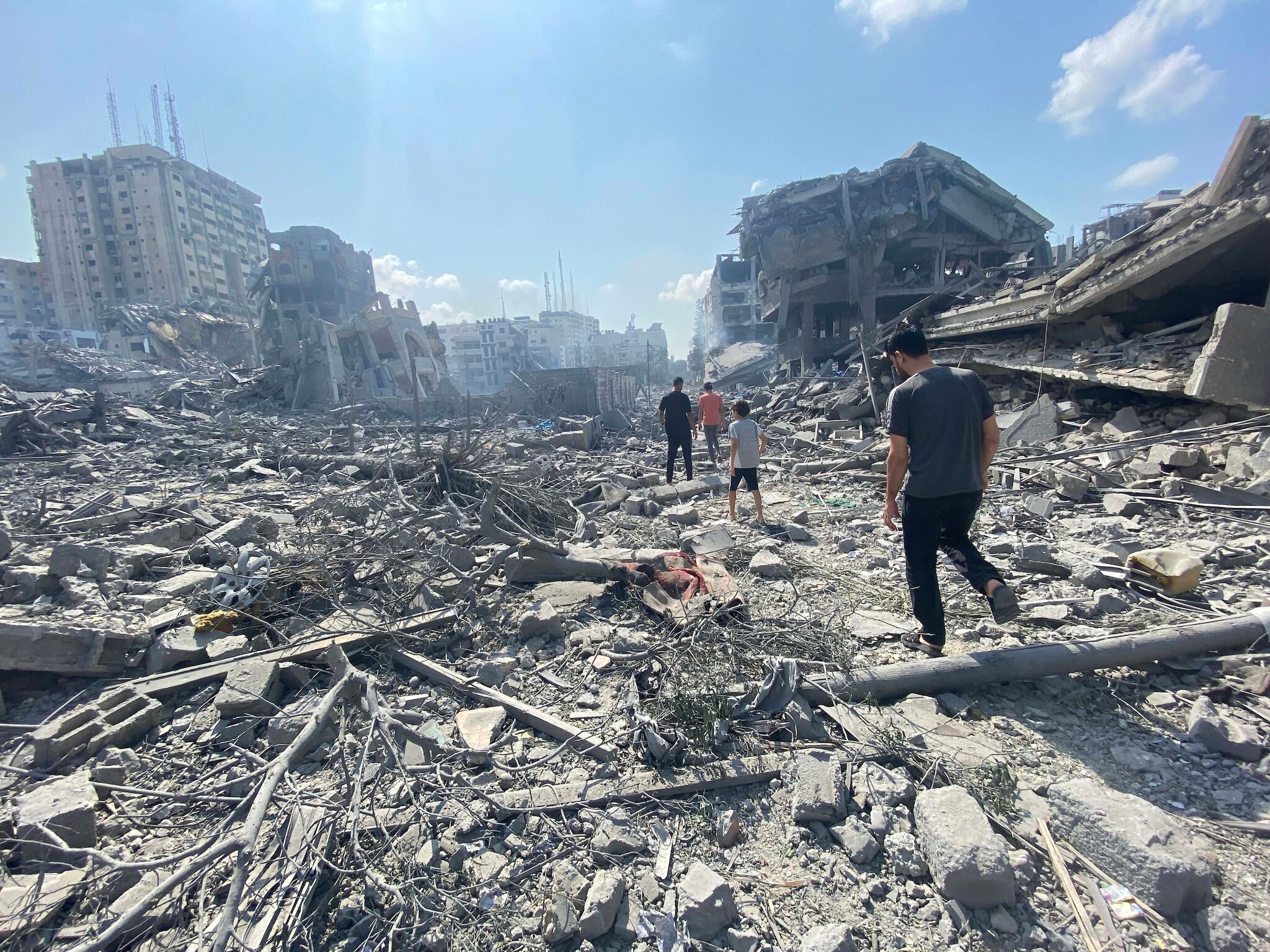
Addressing the Committee, the Permanent Observer for the State of Palestine, Dr. Riyad H. Mansour, lamented the 70,000 Palestinian deaths in Gaza, “not counting those still under the rubble,” and the displacement of more than 40,000 people in the West Bank.
In January, the director of the New York Office of the United Nations Relief and Works Agency for Palestine Refugees in the Near East (UNRWA), Michael Contet, decried the demolition of the Agency’s compound in occupied East Jerusalem, which was carried out by Israeli authorities using bulldozers. This came as an Israeli official, Aryeh King, called for the annihilation of UNRWA staff.
In 2024, delegates in the UN Fourth Committee raised concerns over Israel’s “systematic disinformation campaign” against UNRWA, involving allegations of the employment of terrorists. The delegates called Israel’s allegations “extremist comments” and “baseless fallacies” against the agency.
As of January, the armed conflict has reportedly affected at least 312 UNRWA installations, with about 11,000 UNRWA personnel still providing services in Gaza. They provide healthcare to almost 100,000 Palestinians weekly in Gaza and in-person education to more than 66,000 students across 73 UNRWA shelters.

