
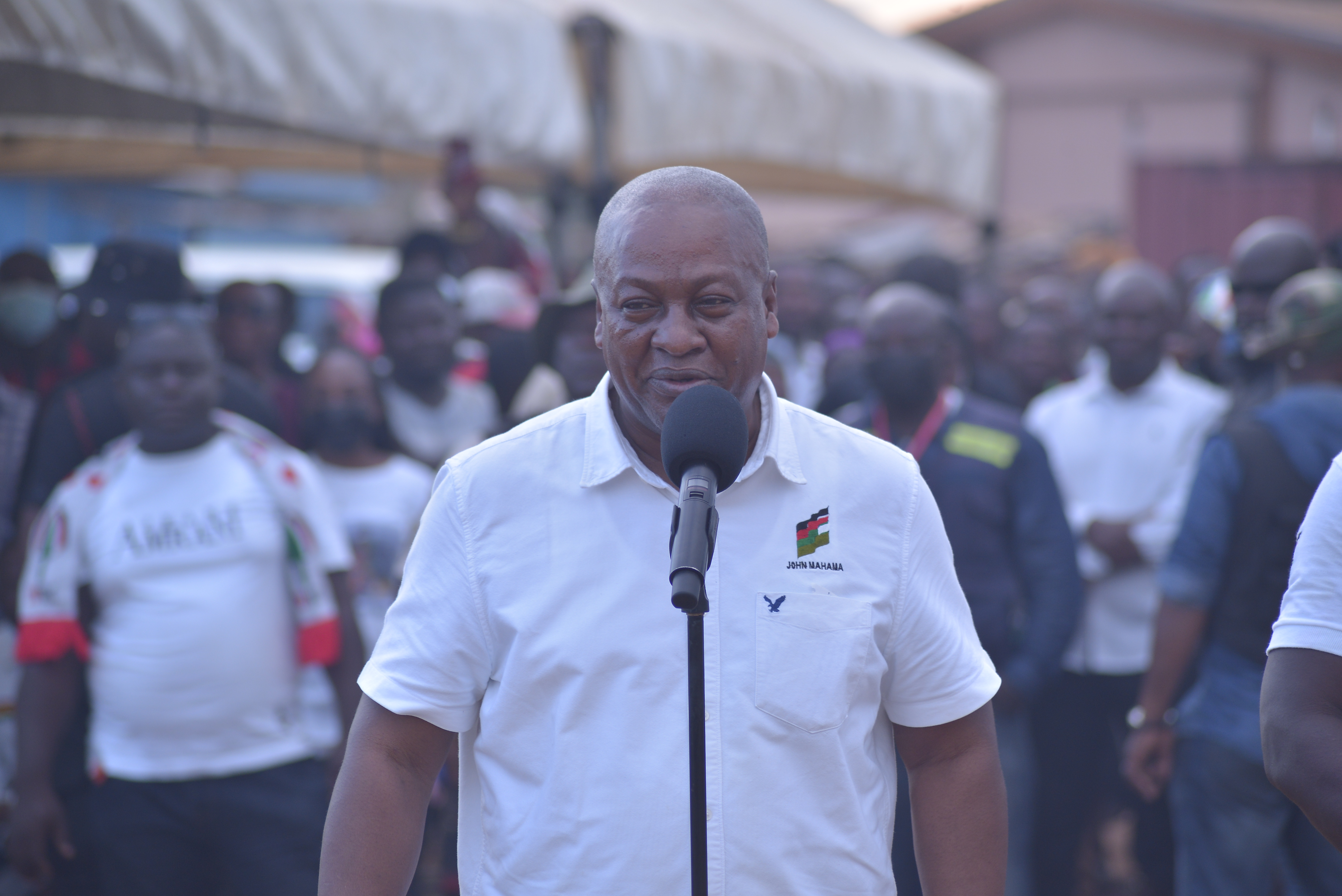
Ghana and Zambia announced a landmark bilateral agreement to implement visa-free travel for their citizens, marking the first such arrangement between the two nations. Ghanaian President John Dramani Mahama confirmed the deal during a three-day state visit to Lusaka on February 4, following a reception by Zambian President Hakainde Hichilema. Official reports published on February 5 confirmed that the waiver arrangement was a centerpiece of the diplomatic mission.
According to Ghana’s Foreign Minister, Samuel Okudzeto Ablakwa, the initiative is designed to strengthen bilateral relations, enhance economic cooperation, and deepen people-to-people ties. The waiver is expected to catalyze trade, tourism, investment, and educational exchange, although a formal commencement date for its implementation has yet to be announced. This adds to Ghana’s expanding list of visa-free arrangements with African partners since January 2025.
Negotiations initially encountered a technical hurdle regarding the disparate classification of travel documents. While Ghana issues diplomatic, service (official), and ordinary passport categories, Zambia only recognizes diplomatic and ordinary categories, lacking an equivalent for Ghana’s service passports. This statutory mismatch raised concerns about the alignment of the waiver across all passport types. However, following intensive late-night negotiations and final presidential intervention from the Zambian side, the classification issue was resolved, allowing the reciprocal agreement to proceed.
The agreement takes on added significance in the context of the African Continental Free Trade Area (AfCFTA), which both countries have joined. Ghana ratified the AfCFTA in May 2018, while Zambia finalized its regulatory instruments in early 2025. Trade experts note that removing visa barriers is essential for the free trade area to function effectively: goods and services can move freely across borders under AfCFTA, but business people still need visas to follow them. This agreement addresses that fundamental gap.
The deal also illustrates a practical approach to African integration that some scholars call “functionalism“—the idea that regional unity happens through concrete cooperation rather than waiting for grand treaties to take effect. The African Union’s Protocol on the Free Movement of Persons, signed in 2018, remains stalled with only four ratifications, far short of the 15 needed to become law. Meanwhile, this bilateral agreement is putting into practice what continental frameworks like the African Union’s Constitutive Act and the Abuja Treaty have long promised: the actual free movement of people across African borders. By resolving technical discrepancies like the passport classification issue through direct negotiation, Ghana and Zambia have shown that bureaucratic hurdles can be dismantled when political will aligns with legal necessity.
This “West-South” cooperation bridges two major regional blocs that rarely coordinate directly. Ghana is part of the Economic Community of West African States (ECOWAS), while Zambia belongs to the Common Market for Eastern and Southern Africa (COMESA). Regional economic communities like ECOWAS and COMESA are meant to serve as building blocks for continent-wide integration, but progress has been slow. By moving ahead on their own, Ghana and Zambia are using what integration experts call “variable geometry,” which is the concept of allowing committed countries to advance faster than waiting for other countries to agree. While multilateral protocols languish in ratification processes, bilateral deals like this one are building the practical infrastructure for African mobility one agreement at a time.
For a law and development enthusiast, this agreement serves as a powerful blueprint for how bilateral treaties can provide a functional infrastructure for continental unity, proving that regional integration is most effective when it is pragmatic, reciprocal, and legally grounded.
Annex: Comparative Timeline of Legal Ratification & Integration Status
| Legal Instrument | Republic of Ghana | Republic of Zambia | Legal Significance |
| AU Constitutive Act | Ratified: 21 May 2001 | Ratified: 01 Mar 2001 | Foundational anchor for continental unity and socio-economic integration. |
| Abuja Treaty (AEC) | Ratified: 25 Oct 1991 | Ratified: 09 Nov 1992 | Mandates the creation of free movement protocols (Art. 43). |
| AfCFTA Agreement | Deposited: 10 May 2018 | Deposited: 05 Feb 2021 | The legal framework for the single continental market for goods and services. |
| AU Free Movement Protocol | Signed: 21 Mar 2018 | *Not yet signed* | Operative articles on rights of entry, residence, and establishment. |
| Regional Baseline | ECOWAS (1979/1993) | COMESA (1984/2001) | RECs serve as the primary “building blocks” for mobility. |

