
 News
NewsA US diplomatic team arrived in Venezuela Friday, marking the first such visit since the US military operation that resulted in the capture of former President Nicolás Maduro last week.
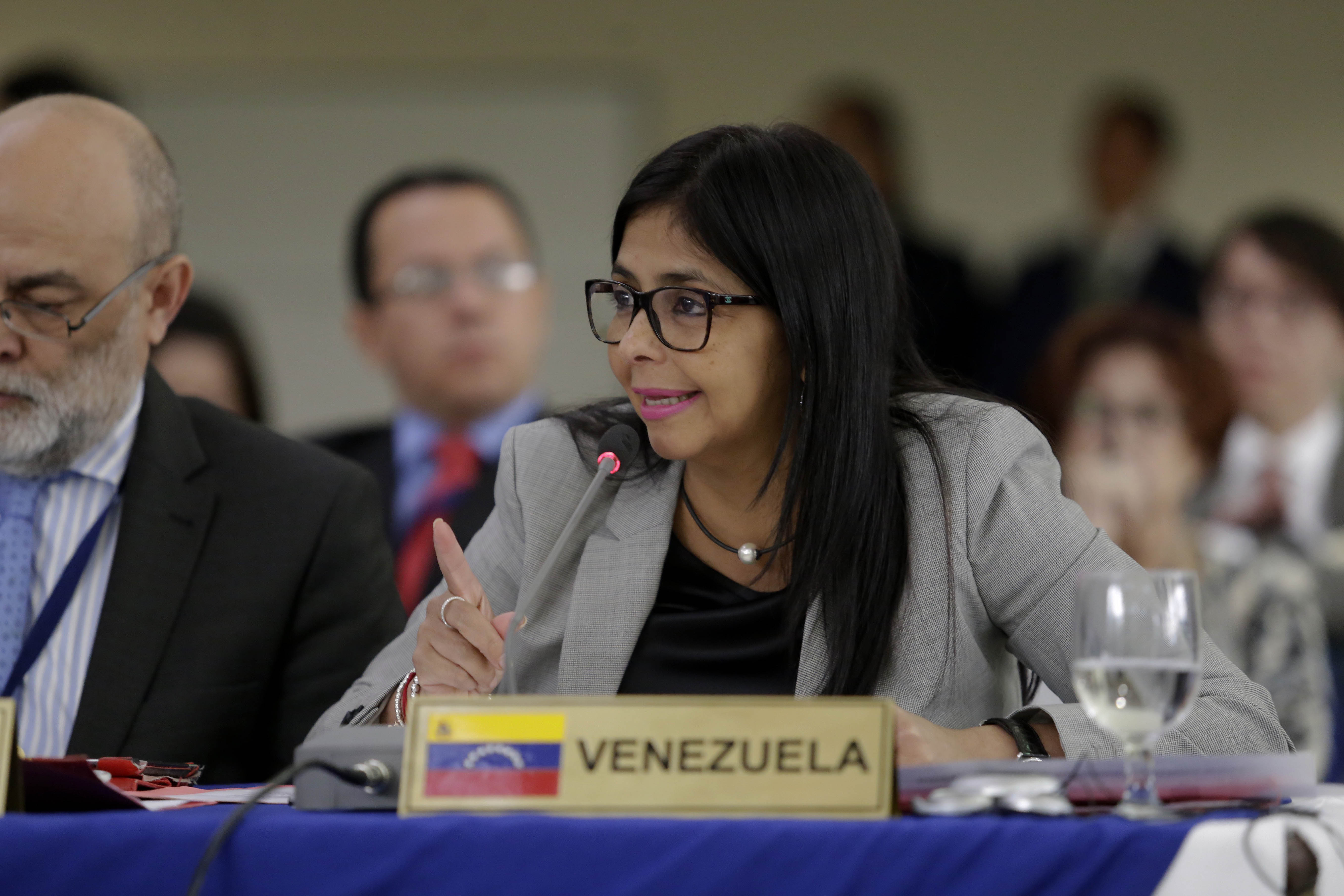
The Venezuelan government, now led by interim President Delcy Rodríguez, confirmed the delegation’s presence and announced the initiation of an “exploratory process” aimed at re-establishing formal diplomatic relations between the two nations.
The small team, comprising diplomats and security officials from the US State Department, traveled to Caracas to conduct preliminary technical and logistical assessments for a potential phased resumption of US embassy operations, which have been shuttered since 2019. In a statement, the Venezuelan Foreign Ministry, under Minister Yvan Gil, described the move as a step toward “re-establishing diplomatic missions in both countries,” and indicated that a reciprocal Venezuelan delegation would soon visit Washington.
The announcement follows US President Donald Trump’s recent comments on Venezuela’s political prisoners’ release as a gesture toward peace and his cancellation of planned additional military actions.
This development comes less than a week after the January 3 US Special Forces operation in Caracas that led to Maduro’s capture at the Fuerte Tiuna military complex. Maduro and his wife, Cilia Flores, were transported to New York, where they pleaded not guilty on January 5 to federal charges including narcotics trafficking, narco-terrorism, and weapons offenses. Maduro’s defense attorney, Barry Pollack, has signaled intent to challenge the proceedings on grounds of “military abduction,” arguing the arrest violated international law and Venezuelan sovereignty. Legal experts have referenced US Supreme Court precedents, such as United States v. Alvarez-Machain, which held that forcible abductions from foreign soil do not necessarily preclude prosecution in US courts absent explicit treaty violations.
The operation, which reportedly caused around 100 deaths and drew widespread international condemnation, has been defended by the Trump administration as necessary to address Maduro’s alleged drug trafficking and terrorism ties. Critics, including US lawmakers like Rep. Bonnie Watson Coleman, have labeled it an “illegal military assault” and unprecedented kidnapping of a foreign leader. Allies of Venezuela, such as Russia, China, and Iran, denounced the action as a breach of international norms.
In Venezuela, the interim government has reportedly been relying on paramilitary groups and civilian militias to maintain order since the seizure of Maduro. Rodríguez’s administration has emphasized domestic stability while navigating the diplomatic overtures, which could facilitate access to Venezuela’s vast oil reserves, discussed during Trump’s recent meetings with US oil executives.
These developments have raised questions about compliance with international law, including the UN Charter prohibition on interference in sovereign affairs. Maduro’s ongoing legal battle in US courts, including anticipated motions over jurisdiction and extradition treaties, could influence the trajectory of the diplomatic efforts.
