
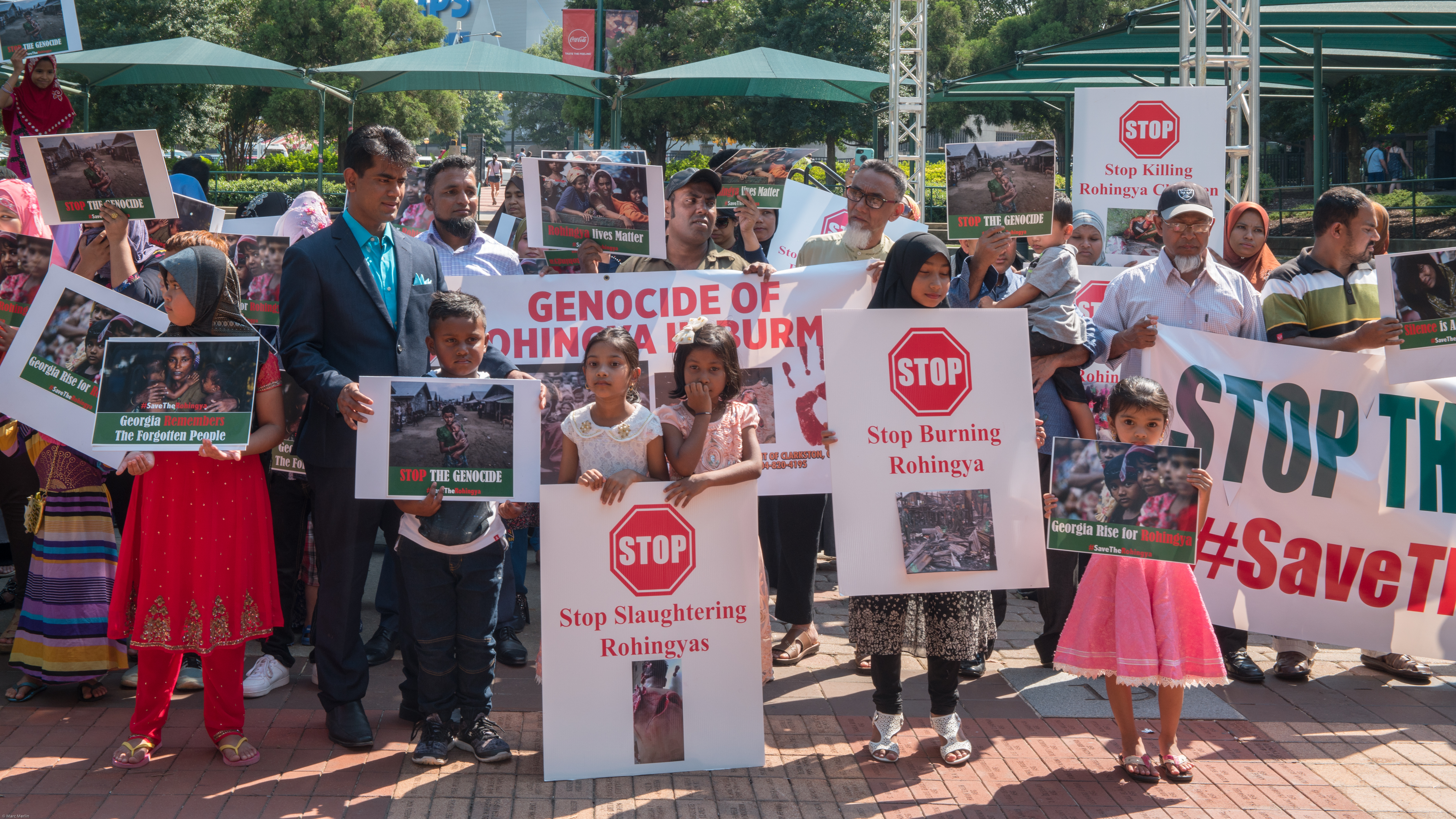
On Monday, the International Court of Justice (ICJ), the top judicial organ of the UN, began proceedings on charges of genocide concerning Myanmar’s persecution of its Rohingya population.
The Gambia, bringing the case, will present its arguments until January 15, after which Myanmar will present its defense until January 20.
The Gambia alleges that Myanmar’s armed forces, the Tatmadaw, have conducted widespread and systemic “clearance operations” against the predominantly Muslim Rohingya population with genocidal intent, thus violating provisions the Genocide Convention. Alleged genocidal acts include mass murder, sexual violence, and burning down villages.
While the Rohingya population has been persecuted within Myanmar for decades, the intensity has increased significantly following the 2021 coup and subsequent civil war. Alleged violators include the Tatmadaw as well as Buddhist paramilitary forces. Over a million Rohingya refugees currently live in the world’s largest refugee camp in Bangladesh.
The commencement of the case comes days after Myanmar’s recent controversial election, which reaffirmed the rule of the military junta and has been widely criticized as illegitimate. The case was initially filed in November 2019. In 2020, the ICJ issued a provisional measure ordering Myanmar to take all possible measures to cease any potentially genocidal acts.
The ICJ has traditionally set a high bar for establishing genocide. The only time it has found a violation of the Genocide Convention was in regard to the Srebrenica Genocide during the Bosnian War. However, the court held Serbia only breached its obligation to prevent genocide but had not directly committed genocide.
Although ICJ decisions are non-binding, The Gambia’s case could set influential precedent and contribute to the decision in South Africa’s genocide case against Israel, as well as Ukraine’s genocide case against Russia.

.jpg)