
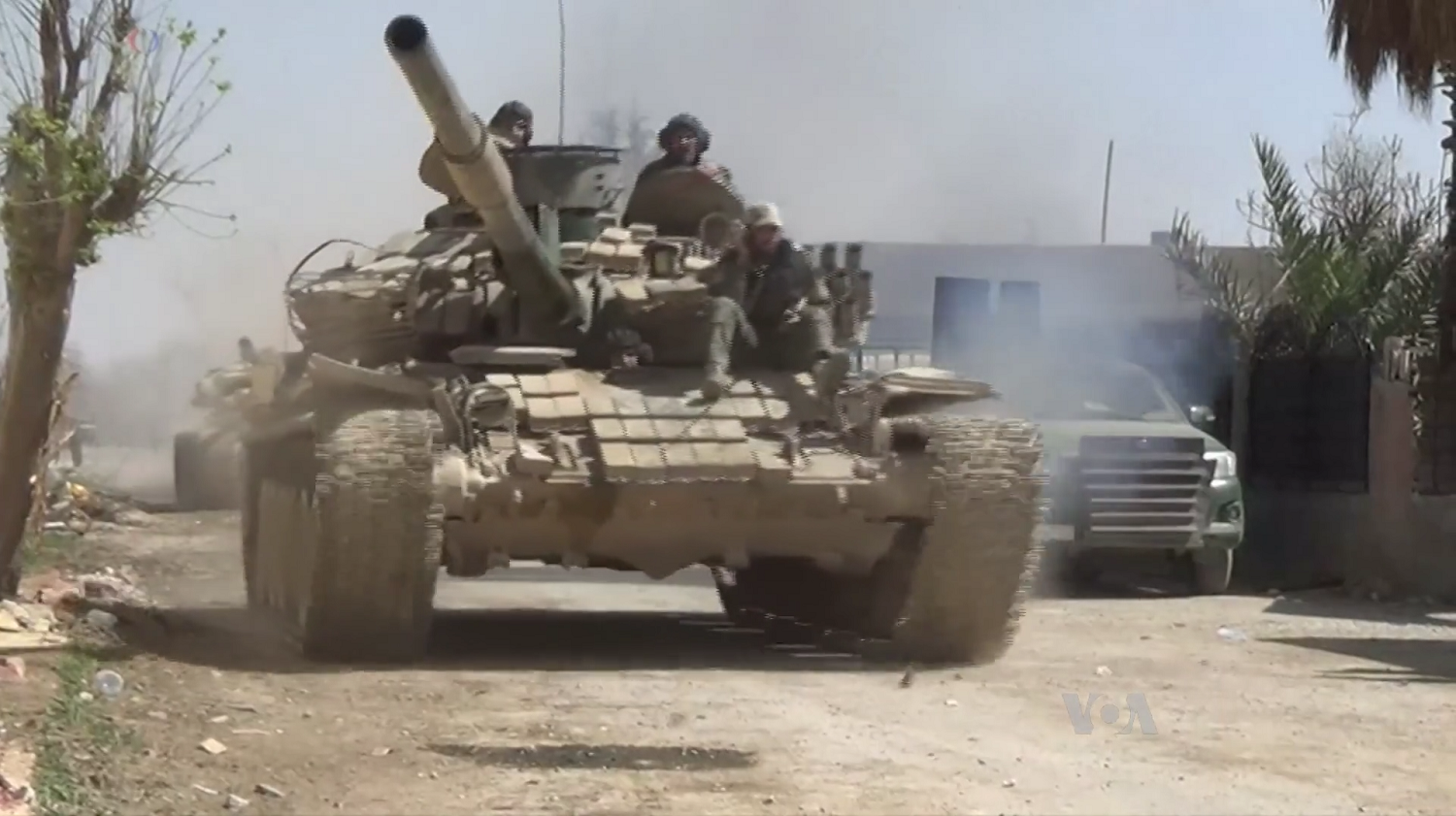
The United Nations on Tuesday expressed deep concern about the deteriorating security situation in northeast Syria. This follows renewed violent clashes between Syrian government troops and the Kurdish-led Syrian Democratic Forces (SDF) despite a ceasefire agreement, creating a security vacuum that reportedly led to the escape of some detained Islamic State of Iraq and the Levant (ISIL) militants from prison.
The ceasefire agreement made on January 8 between the Syrian Army and the SDF has repeatedly broken down. Their continued fighting heightens fears of further jailbreaks due to weakened control over the detention centers and has also sparked concerns regarding damage to critical infrastructure. Secretary-General Antonio Guterres called for continued dialogue and cooperation to secure the implementation of all agreements in good faith and to protect civilian safety.
According to local media, clashes between Syrian troops and the SDF have escalated since early January in the Sheikh Maqsoud and Ashrafieh neighbourhoods of Aleppo city and spread to other cities. This followed the expiry of a deadline to implement the March 2025 agreement signed between the two forces. The agreement included guarantees for Kurds’ rights to representation and equal participation in the political process, as well as the integration of all military forces into the national army.
The violence, which resulted in at least four civilian deaths and injuries to 27 individuals, had lasted for five days before a ceasefire agreement was reached. Sheikh Maqsoud and Ashrafieh are predominantly inhabited by Kurds and have long been involved in conflicts between Syrian government forces and Kurdish-led forces.
Compounding the crisis, the SDF announced on January 20 its withdrawal from the al-Hawl detention camp, which is a facility housing thousands of foreign women and children suspected of Islamic State affiliation. This withdrawal was triggered by the US announcement of its intention to discontinue support. A spokesperson for the SDF explained that their forces were “compelled to withdraw from al-Hawl camp and redeploy in the vicinity of cities in northern Syria that are facing increasing risks and threats”.
The international community has raised concerns about the fate of al-Hawl and the chaos that could result if a jailbreak were to occur following the SDF’s departure.
Since the fall of the Assad regime in December 2024, the transitional government under Ahmad al-Sharaa has been “fragile,” facing significant economic, social, and political challenges. Al-Sharaa has insisted on establishing a single national army, rejecting the SDF’s demands for a decentralized military system that provides the forces “administrative and security authority in northeast Syria and complete local control over these areas.” Before the latest clashes, the SDF controlled about 30 percent of Syria’s territory and cooperated with US forces in the region to combat the Islamic State.
Addressing the transitional government, UN Human Rights spokesperson Ravina Shamdasani emphasized that any integration of security forces into Syrian State institutions “must take place within a proper human rights-based vetting process to ensure that any individuals involved in human rights violations or abuses are not integrated.”

.png)