
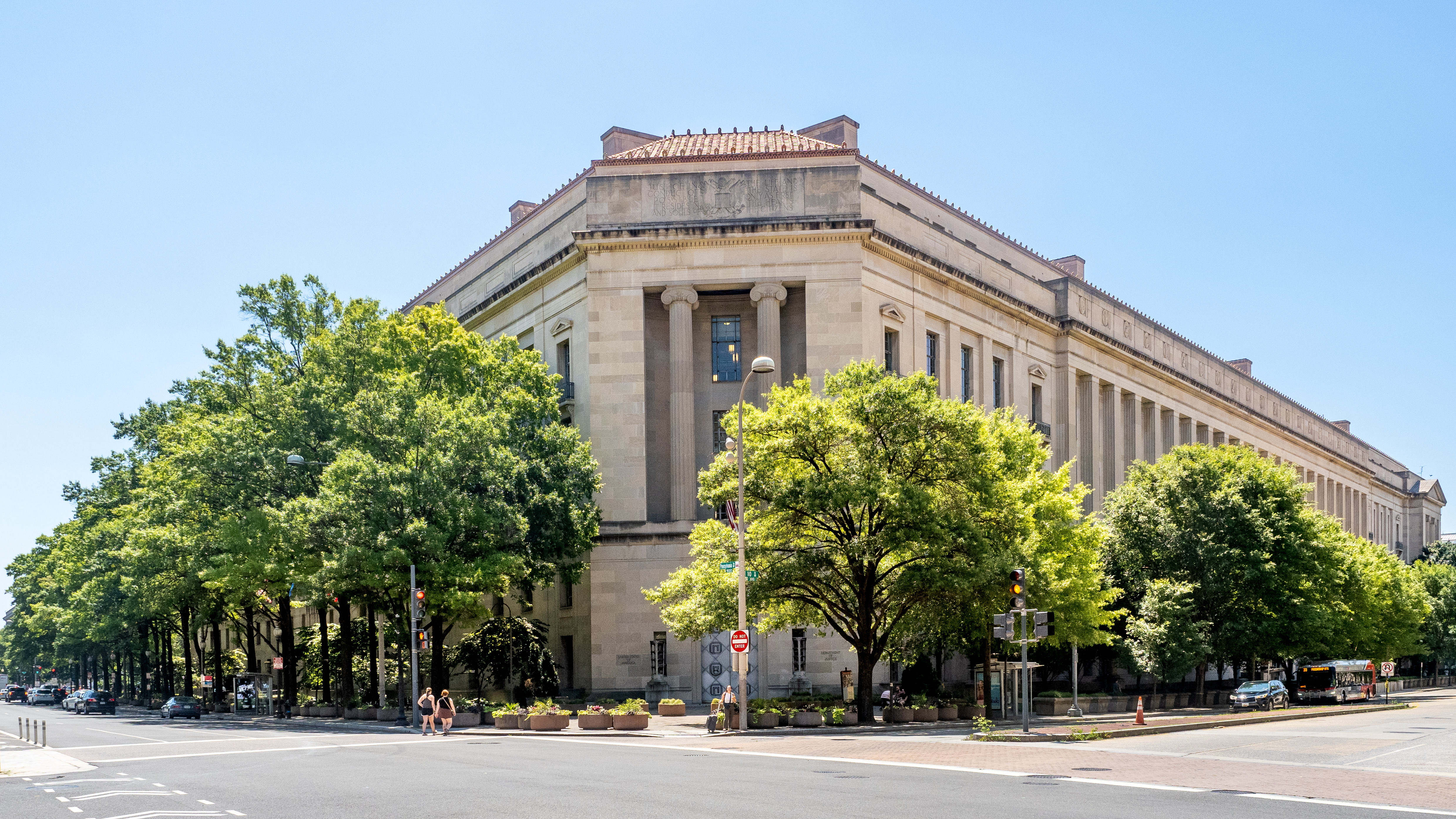
US Deputy Attorney General Todd Blanche told reporters on Friday that the Department of Justice has opened a federal civil rights investigation into the fatal shooting of Alex Pretti, the intensive care nurse killed by federal immigration agents in Minneapolis last weekend.
Blanche said the FBI will lead the investigation alongside lawyers from the Justice Department’s Civil Rights Division, with Homeland Security Investigations (HSI) playing a secondary role. The announcement marks a significant change from the federal government’s initial approach, which had placed the Department of Homeland Security (DHS) and its internal components at the center of the review. Earlier in the week, court filings indicated that HSI would lead an internal review focusing on whether agents’ use of force comported with internal protocols and training, with support from Customs and Border Protection (CBP) and the FBI. Such inquiries typically ask whether agents followed agency rules and can result in administrative discipline, but they do not necessarily reach the constitutional question of whether force was objectively reasonable or whether any rights were violated under federal law.
The shift effectively elevates the inquiry from an internal compliance review to a formal civil rights investigation, opening the door to grand jury subpoenas, sworn testimony, and a potential criminal charging decision evaluated under the demanding “willfulness” standard that governs federal prosecutions of law-enforcement officers.
Blanche’s remarks came in response to questions about a newly surfaced video that appears to show Pretti spitting and kicking out the taillight of an Immigration and Customs Enforcement (ICE) vehicle 11 days before the shooting. Blanche rejected the suggestion that the footage should change the department’s posture or preempt the legal analysis that investigators must undertake.
“I don’t think a single video should change any perception the Department of Justice may or may not have about that tragic occurrence last Saturday,” he said. “It’s an investigation. So an investigation necessarily means just that. It means talking to witnesses. It means looking at documentary evidence, sending subpoenas if you have to.”
Blanche emphasized that the Civil Rights Division “has the best experts in the world at this” and has been conducting such inquiries “for decades,” adding that he expects the investigation “will proceed with those parameters in mind.” Asked to describe the scope of the Pretti investigation, Blanche said investigators would be “looking at everything that would shed light on what happened that day and in the days and weeks leading up to what happened,” including videos and witness accounts. “You’re talking about an incredibly tragic morning,” he said, noting that “trying to unwind and investigate that takes a lot of time.”
He further emphasized that the scope of the investigation was relatively narrow. “I don’t want to overstate what is happening,” he said. “I don’t want the takeaway to be there is some massive civil rights investigation. I would describe it as a standard investigation by the F.B.I.”
Civil rights investigations into officer-involved shootings are one of the primary tools federal prosecutors use when they believe law enforcement officers may have abused their authority under color of law. These cases often require proof that an officer used objectively unreasonable force and did so “willfully.” This is a high bar that demands evidence that the officer acted with a specific intent to violate a protected right, not mere negligence or poor judgment. Such probes can lead to charges under federal civil rights statutes and, in some cases, significant prison terms.
The department has opened similar investigations in high-profile cases in recent years. In one of the most notable examples, Derek Chauvin, the former Minneapolis police officer who murdered George Floyd, pleaded guilty in 2021 to federal civil rights charges arising out of that killing, in addition to his state murder conviction.
The investigation raises critical legal issues for federal prosecutors and investigators, including whether the agents’ conduct may have violated federal civil rights statutes that criminalize the willful deprivation of constitutional rights under color of law, most notably the protections against unreasonable seizures and excessive force under the Fourth Amendment.

_(53840386529).jpg)