
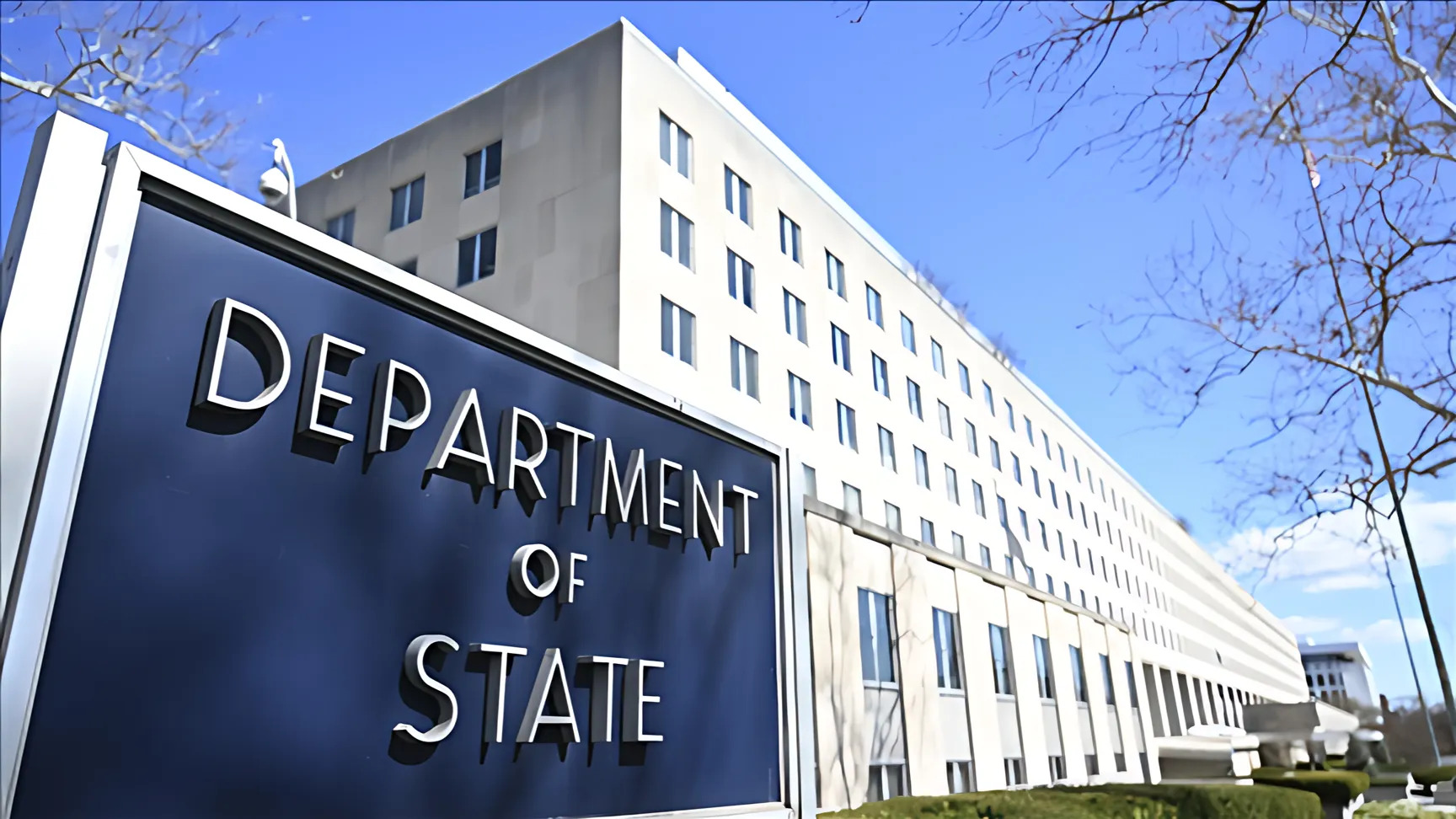
The US Department of State revoked visas for senior Honduran electoral officials on Friday, tying the sanctions-like immigration action to allegations that the officials impeded Honduras’ post-election vote count and thereby “undermin[ed] democracy in Honduras,” according to the Department’s public statement. In a warning that framed the dispute as a regional security issue, the Department said the US “will not tolerate actions that undermine our national security and our region’s stability,” and signaled that it is prepared to consider “all appropriate measures” to deter interference with the count.
The Department said it revoked the visa of Mario Morazán pursuant to INA § 221(i) and refused a visa application by Marlon Ochoa under INA § 212(a)(3)(C), while also taking steps to impose restrictions on an unnamed third individual.
Friday’s announcement comes as Honduras remains without an official winner nearly three weeks after its November 30 presidential election. Morazán is a magistrate of the Electoral Justice Tribunal and Ochoa is a member of the National Electoral Council. Both officials are affiliated with the governing LIBRE (Liberty and Refoundation) party.
The statutory authorities invoked are among the most discretionary tools in the US immigration system. INA § 221(i) authorizes visa revocation “at any time” and “in [the Secretary’s] discretion” after issuance (8 USC § 1201(i)). INA § 212(a)(3)(C) renders inadmissible a foreign national whose “entry or proposed activities” the Secretary of State has reasonable ground to believe would have “potentially serious adverse foreign policy consequences” for the US (8 USC § 1182(a)(3)(C)). The State Department’s Foreign Affairs Manual describes § 212(a)(3)(C) as a Secretary-driven exclusion authority grounded in foreign policy assessments, reinforcing the provision’s character as a diplomatic instrument as much as an immigration rule.
Those immigration levers can carry outsized practical impact precisely because they operate at the intersection of foreign policy and border control. Visa revocations and refusals are typically insulated from full merits review in US courts under the doctrine commonly referred to as consular nonreviewability, a judicial doctrine rooted in Supreme Court precedent emphasizing deference where the political branches provide a “facially legitimate and bona fide reason” for exclusion. In effect, the government can impose immediate travel restrictions and reputational consequences without the procedural scaffolding that usually accompanies criminal charges or many economic sanctions programs, even as the underlying record for the action often remains largely nonpublic.

