
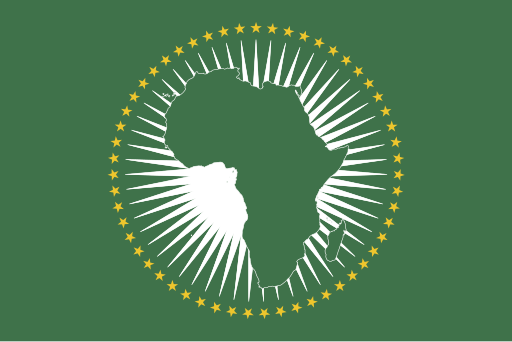
African leaders convened in Algiers on Sunday for the Conference on the Crimes of Colonialism in Africa. The conference was another step in the African Union’s plan of action to advance justice and reparations for Africans.
Algerian Minister of Foreign Affairs Ahmed Attaf opened the conference with a call for leaders to follow in the footsteps of their ancestors who resisted in the colonial era. He outlined the key focus areas of the conference as demands for “legal and unequivocal criminalization of colonialism,” fair compensation, and the return of stolen property. He defined these reparations as “a legitimate right enshrined in international law and universally recognized norms.” Attaf concluded his address by setting the tone for the path forward from this conference:
What unites us today is not merely a slogan to be raised, but a trust upon all our shoulders–a trust we have no choice but to fulfill, absolute and binding. Let us truly be worthy of this trust, worthy of the sacrifices of all our noble ancestors, and worthy of writing a new chapter that honors our history, uplifts our dignity, and illuminates our future.
Attaf highlighted the lasting impacts of genocides in the Congo, Cameroon and Namibia, and of colonial practices in other African countries, including Algeria under French rule. He recounted massacres beginning in 1830, up to the War of Independence between 1954 and 1962.
This conference follows AU Resolution XXXVIII, which affirmed the importance of these conversations and welcomed the offer of Algeria’s president to host the conference. The AU defines “reparatory justice” in numerous ways. For the AU, it includes a range of initiatives which seek to address the injustices of colonization, slavery, and systemic discrimination, such as financial reparations, land restitution, international accountability, and community empowerment. Attaf stressed that Algeria “fully identifies” with these core objectives, again noting African countries’ rights to make these demands.
This conference is set against a backdrop of ongoing recognition of the colonial history of Africa on the international stage. The UN has previously recognized a tendency for European states to apologize and address the harms, but that no states have comprehensively accounted for the past and ongoing impacts. This issue has been similarly recognized by Human Rights Watch.
France has officially acknowledged some colonial atrocities, including a 1944 massacre in Senegal in 2024. France’s President Emmannuel Macron has chosen not to explicitly apologize for his country’s role in colonization, saying instead earlier this year: “The dialogue must continue. This is what interests me more… The worst would be, everybody apologizes and each goes their way.”
The conference continues Monday with a report on the key points of the African leaders’ discussions expected to follow.

