
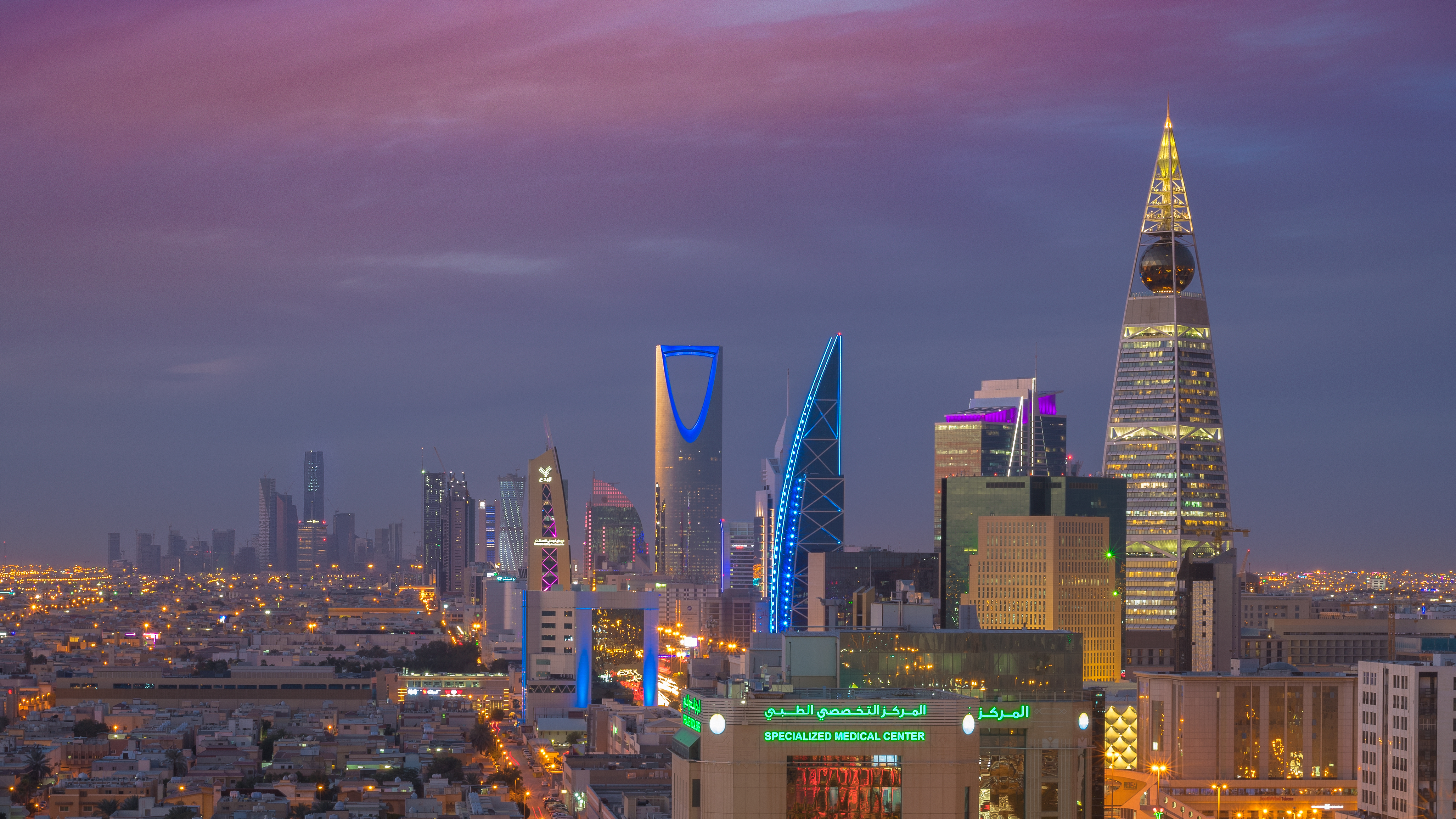
Amnesty International issued a report on Tuesday detailing the human rights abuses that migrant workers face in Saudi Arabia while working on the Riyadh Metro Project, in violation of Saudi and international law.
The report interviewed 38 individuals from foreign countries, including India and Nepal, who reported the abuse they face. Before leaving their country, the workers were forced to pay excessive recruitment fees to secure jobs on the metro project. These fees ranged on average from US$700 to $2,700, forcing some to go into debt to get their jobs. Saudi law prohibits these recruitment fees, while many of the origin countries place caps on the fees that fall below those paid here. The workers also spoke of dangerous heat conditions where fellow workers would collapse on site due to heat exposure. Saudi law also places certain time restrictions to prevent workers from excessive heat exposure during the hottest times of day, but the enforcement penalties are negligible.
The report also described the low wages that these workers received. Some were earning less than $2 per hour. Amnesty International noted that the International Covenant on Economic, Social, and Cultural Rights calls for “fair wages that ensure a decent standard of living.” The low wages forced some workers to work more than 60 hours per week. The report lists many other abuses, from the quality of food to sanitation.
The Riyadh Metro Project began in 2014 to improve public transit across Saudi Arabia. The metro became fully operational in 2025, with more expansions still taking place. Amnesty International noted that the system is one of the most advanced in the world. Tens of thousands of workers have worked on its construction.
Amnesty International is now calling on Saudi Arabia to reform its migrant worker system, companies to “implement comprehensive human rights due diligence processes across all operations,” and the governments of origin countries to better protect against worker recruitment abuses.
Saudi authorities have long been condemned for human rights violations. Rights groups recently criticized the Riyadh Comedy Festival, claiming it was being used by the Saudi government to “deflect attention” from human rights abuses and its repression of free speech. The US was urged to place human rights at the forefront of its diplomatic agenda during Saudi Arabia’s Crown Prince Mohammed bin Salman’s visit to Washington earlier this month.

