
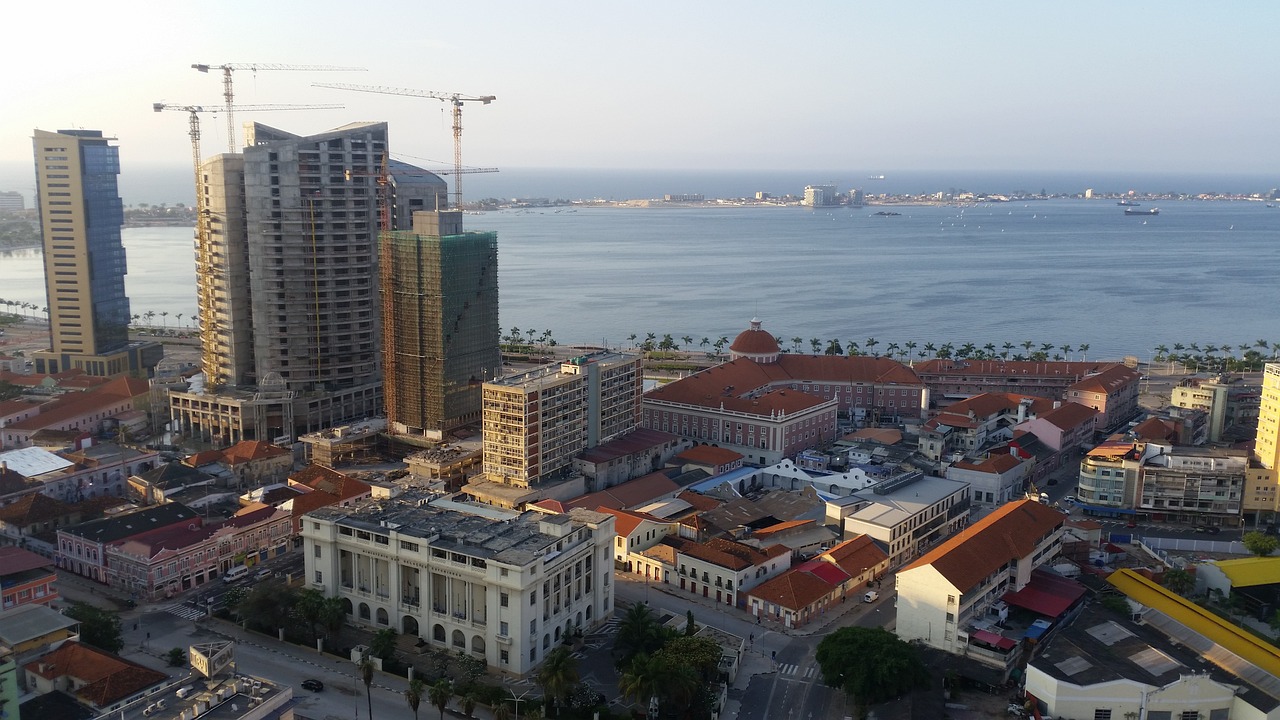
Amnesty International called on Angolan authorities Tuesday to deliver justice on the fifth anniversary of the fatal shooting of Inocêncio de Matos, who was killed while participating in a protest in Luanda. Vongai Chikwanda, deputy regional director for Southern Africa at Amnesty International, stated that Matos posed no threat to authorities or third parties when he was shot, and that his killing reflects a broader pattern of impunity for security forces in Angola.
“Five years on, the relatives of Inocêncio de Matos are still awaiting justice,” Chikwanda said. “Angolan authorities must ensure justice for Inocêncio by immediately revealing publicly the outcome of the investigations into his killing, anyone found culpable must be brought to account in a fair trial.”
Matos had joined a demonstration at Largo 1º de Maio in Luanda calling for municipal elections promised by President João Lourenço. Security forces blocked major avenues leading to the protest site and fired live ammunition during attempts by demonstrators to circumvent the blockade. Matos was fatally shot, and while the Services for Criminal Investigations (SIC) launched an inquiry, only witness statements from the victim’s side have been heard, and the investigation’s outcome remains unpublished.
The protest was part of a series of demonstrations by young activists demanding electoral reform, better living conditions, and respect for civil liberties. Reports described the November 2020 protests as largely peaceful until security forces moved in, using tear gas, rubber bullets, and batons. Matos’s death is among at least 17 reported fatalities in protests between November 2020 and June 2023, during which demonstrators were subjected to arbitrary arrests, assaults in custody, and intimidation, with no officers held accountable.
Previous demonstrations, including protests in July 2025 over fuel price increases and public transport subsidy cuts, also drew violent responses from police despite formal authorization. Human Rights Watch documented the use of excessive force, injuries from tear gas canisters and rubber bullets, and the arbitrary detention of protesters. Amnesty has consistently called for impartial investigations into police misconduct and adherence to Angola’s obligations under Article 21 of the International Covenant on Civil and Political Rights (ICCPR) and under Article 11 of the African Charter on Human and Peoples’ Rights (ACHPR).
The right to peaceful assembly is also guaranteed under Article 47 of the Angolan Constitution. Rights groups urge the Angolan authorities to act decisively to prevent further abuses, bring perpetrators to justice, and ensure that citizens can exercise their fundamental freedoms without fear of violence or reprisal.
