
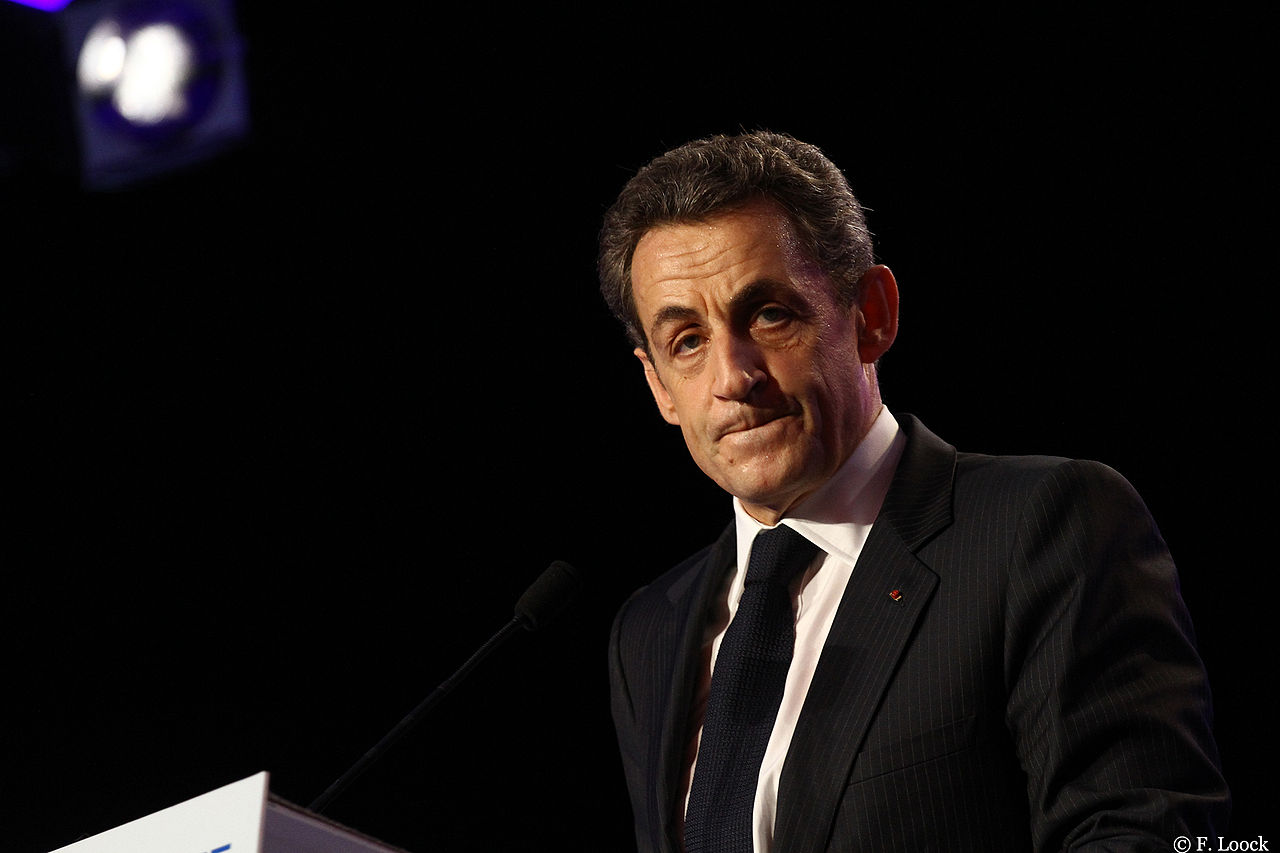
Former French president Nicolas Sarkozy was released from prison after only 20 days, following a court judgment pending an appeal. He was seen returning to his Paris home on Monday. “Truth will prevail. This is a fact that life teaches us,” he wrote on X after returning home. He has consistently denied any wrongdoing and suggested that the allegations of campaign financing were retaliation for his call, as France’s president, for Gaddafi’s removal.
Sarkozy’s release was granted by the Paris court of appeal based on Article 144 of the French Code of Criminal Procedure, placing him under judicial supervision (contrôle judiciare). This restores his presumption of innocence, yet subject to certain conditions while he appeals against his conviction. It is common practice in France for convicts who are not considered dangerous or at risk of fleeing French jurisdiction to another country, or who might endanger evidence or witnesses. In Sarkozy’s case, the court said there was “no flight risk” and banned him from leaving the country.
Second, he was banned from talking to any justice ministry official or persons involved in the 2007 campaign funding scheme. This is striking as the current Minister of Justice, Gérald Darmanin, visited Sarkozy in detention at the end of October, prompting criticism of judicial independence and separation of powers in France. Sarkozy had brought Darmanin on board as director of his primary election campaign in 2016, making them close former colleagues. Darmanin defended himself, stating it was his job as justice minister to ensure safe prison conditions.
Sarkozy spent his 20-day detention in the isolation wing of the Paris La Santé prison, as is common for high-profile inmates to ensure their security, and had the right to receive information from the outside world, and the right to an hour of exercise a day. In a video message to the court presented on Monday, he described his conditions as “a nightmare.” A video surfaced recently showing other inmates uttering insults and death threats at him, both are being charged now.
On October 21, Sarkozy was ordered to start his prison term for attempts to raise campaign funds from Libya in 2007, involving the late Libyan dictator Gaddafi, which made him the first French leader since World War II to be sent to prison.
The former president was convicted on September 25, when a panel of three judges ruled that Sarkozy’s closest associates held secret meetings in 2005 with Abdullah al-Senoussi, Gadhafi’s brother-in-law and intelligence chief.
Sarkozy was France’s center-right president between 2007 and 2012 and has been at the center of several legal complaints. He was also convicted last year for corruption and influence peddling, ordered to wear an electronic tag, a first for a former president, and faced another separate conviction for illegal campaign financing last year, adding to a formal investigation for being an accessory to witness tampering.

